Bloomberg News
@Bloomberg-News·2.8M subscribers·40.1K videos
44 States Bring Suit Against Generic Drugmakers for 1,000% Prince Inflation
Posted
May 14, 2019
Views
1,263
Likes
13
Comments
6
Engagement
May 14, 2019
1,263
13
6
1.50%
Every word spoken in this episode is indexed. Type any phrase to jump straight to the moment it was said.
Type any word or phrase that may have been spoken. Click a result to seek the player to that exact moment.
Try a name, a topic, or a quoted line
 0:58Now Playing
Attorneys general from more than 40 states are alleging the nation’s largest generic drug manufacturers conspired to artificially inflate and manipulate prices for more than 100 different generic drugs, including treatments for diabetes, cancer, arthritis and other medical conditions.
The lawsuit, filed in federal court in Connecticut on Friday, also names 15 individual senior executives responsible for sales, marketing and pricing.
Connecticut Attorney General William Tong, a Democrat, said investigators obtained evidence implicating 20 firms.
“We have hard evidence that shows the generic drug industry perpetrated a multibillion dollar fraud on the American people,” Tong said. “We have emails, text messages, telephone records and former company insiders that we believe will prove a multi-year conspiracy to fix prices and divide market share for huge numbers of generic drugs.”
Tong said the investigation had uncovered a primary reason why the cost of health care — and specifically generic prescription drugs — has been so high in this country.
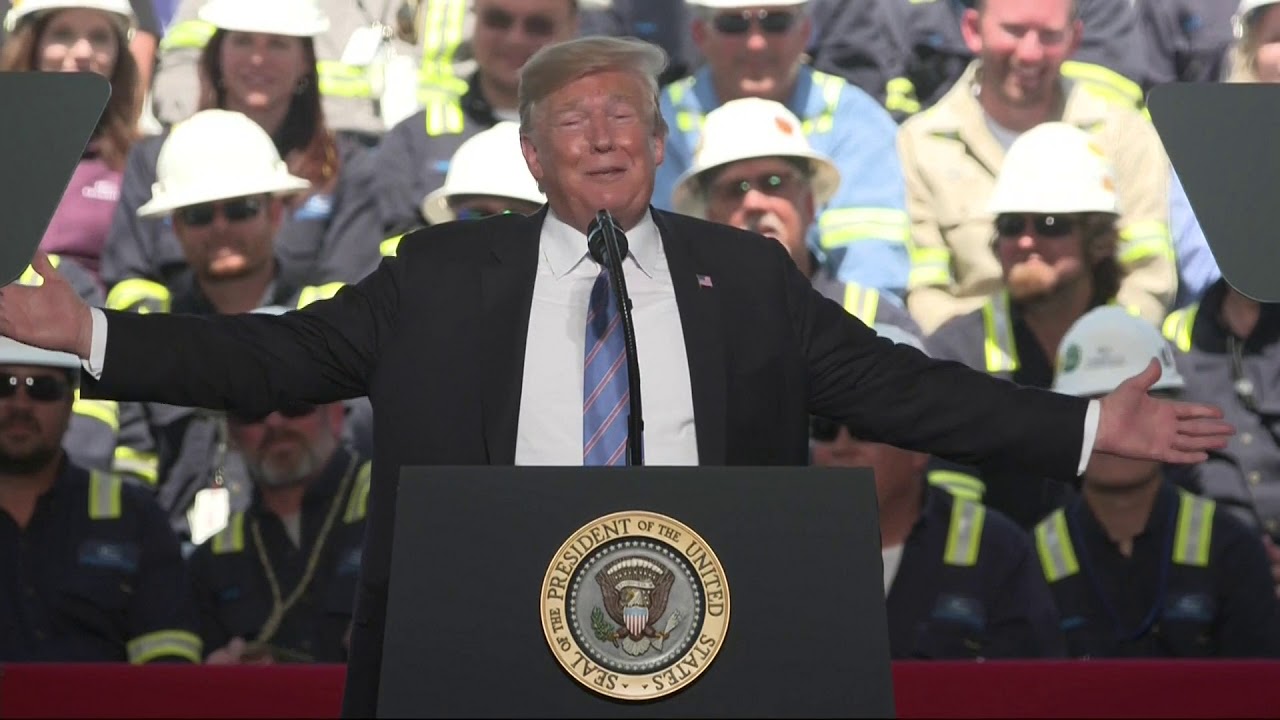
The surging prices of prescription drugs have drawn the attention of a number of politicians across the political spectrum from President Donald Trump to liberal Democratic presidential candidate Sen. Elizabeth Warren of Massachusetts.
The new court suit was the second that has been filed in the investigation. The first, filed in 2016, named 18 corporate defendants and two individual defendants. Two former drug company executives entered into settlement agreements and are cooperating with the attorneys general in the investigation.
A spokesman for one of the companies named in the suit, Teva Pharmaceuticals USA Inc., a wholly owned subsidiary of Israeli-based Teva Pharmaceuticals Industries Ltd, said Teva hasn’t engaged in any conduct that would lead to civil or criminal liability.
“The allegations in this new complaint, and in the litigation more generally, are just that — allegations,” Kelley Dougherty, a Teva vice president, said in a statement Saturday. “The company delivers high-quality medicines to patients around the world and is committed to complying with all applicable laws and regulations in doing so.”
Investigators said the drugs covered in the suit account for billions of dollars of sales in the United States.
The suit was filed by 43 states and Puerto Rico with Connecticut taking the lead in the probe.
The suit alleges that for many years these makers of generic drugs had operated under an agreement not to compete with each other and to settle instead for what these companies referred to as a “fair share” of the market to avoid pushing prices down through competition.
But by 2012, the suit says that Teva and the other companies decided to “take this understanding to the next level.” It alleges that “Teva and its co-conspirators embarked on one of the most egregious and damaging price-fixing conspiracies in the history of the United States.”
The suit says that the companies sought not only to maintain their “fair share” of the generic drug market but also to “significantly raise prices on as many drugs as possible.”
To accomplish this goal, the suit says that Teva selected a core group of competitors with which it already had “very profitable collusive relationships,” and developed understandings to lead and follow each other’s price increases.
The suit contends that this resulted in “many billions of dollars of harm to the national economy over a period of several years.”
During a 19-month period beginning in July 2013, the suit says Teva significantly raised prices on approximately 112 different generic drugs and on at least 86 of those drugs colluded with a group it referred to as “high quality” competitors.
The suit says that the size of the price increases varied but was over 1,000% for a number of the drugs.
The suit says that the defendants knew their conduct was unlawful and usually chose to communicate in person or by cell phone “in an attempt to avoid creating a written record of their illegal conduct.”
Subscribe to our YouTube channel
TICTOC ON SOCIAL:
Follow TicToc on Twitter
Like TicToc on Facebook
Follow TicToc on Instagram
Watch all of TicToc’s videos
Listen to TicToc’s podcast
Subscribe to our newsletter
TicToc by Bloomberg is global news for the life you lead. We are a 24/7 news network that covers breaking news, politics, technology, business and entertainment stories from around the globe, supported by a network of Bloomberg’s 2,700 journalists across 120 countries.
Sentinel Indexing in Progress
Metadata and chapters are available. Claim extraction for this episode is pending.
All video content is delivered via YouTube embedded players in accordance with the YouTube Terms of Service. Sentinel provides research tools that promote discovery and accountability across political media.