Bloomberg News
@Bloomberg-News·2.8M subscribers·40.1K videos
Pelosi Celebrates House Passing $15 Federal Minimum Wage Bill
Posted
July 18, 2019
Views
39,245
Likes
352
Comments
1,445
Engagement
July 18, 2019
39,245
352
1,445
4.58%
Every word spoken in this episode is indexed. Type any phrase to jump straight to the moment it was said.
Type any word or phrase that may have been spoken. Click a result to seek the player to that exact moment.
Try a name, a topic, or a quoted line
You’re on July 18, 2019. Earlier episodes are to the left, later ones to the right — the row keeps loading as you go. Click any card to open it.
 Jul 18, 201931:07Now Playing
After a week of raised tensions in Washington over politics and personalities, House Democrats are poised today to pass a major policy objective to increase the federal minimum wage to $15 an hour over six years.
The Raise the Wage Act (H.R. 582) has been a priority for Democrats, albeit one that had to overcome uncertainty from some members and pressure from the business community to get within reach of passage, Jaclyn Diaz and Chris Opfer report.
Despite the efforts to soften the proposal to get it past the finish line in the House, it doesn't appear to be gaining any traction in the Republican-controlled Senate.
"It is dead on arrival, as it should be," Sen. Tim Scott (R-S.C.), a member of the Senate Health, Education, Labor, and Pensions Committee, said.
The measure would increase the minimum wage in phases until it reached $15. It would tie the wage floor to inflation after that. It also proposes an elimination of exceptions to the minimum wage for tipped workers, teenage workers, and workers with disabilities.
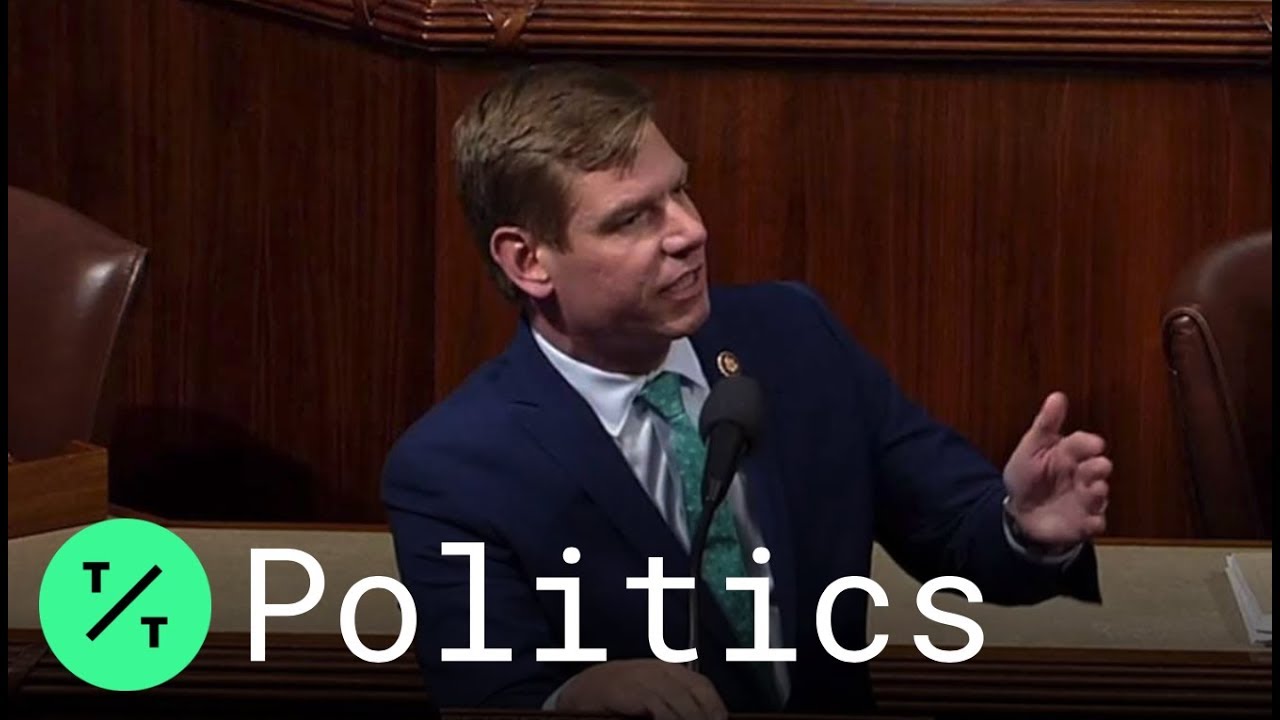
"The American workers have experienced a pay cut in real income due to inflation and the government's failure to raise wages. It is unconscionable that people working full time in the wealthiest nation in the history of the world are unable to afford basic essentials or live in poverty," Rep. David Cicilline (D-R.I.) said on the House floor yesterday.
The bill's path to a vote wasn't easy. Concessions have been made since it was first floated in an effort to bring on board more moderate members who were initially worried about a wage boost's effect on smaller businesses and communities. House Education and Labor Committee Chairman Bobby Scott (D-Va.) introduced a last-minute amendment to extend the progression to $15 to six years, rather than the original five. That change was made when the House adopted the rule governing floor debate.
Subscribe to our YouTube channel
TICTOC ON SOCIAL:
Follow TicToc on Twitter
Like TicToc on Facebook
Follow TicToc on Instagram
Watch all of TicToc’s videos
Listen to TicToc’s podcast
Subscribe to our newsletter
TicToc by Bloomberg is global news for the life you lead. We are a 24/7 news network that covers breaking news, politics, technology, business and entertainment stories from around the globe, supported by a network of Bloomberg’s 2,700 journalists across 120 countries.
Sentinel Indexing in Progress
Metadata and chapters are available. Claim extraction for this episode is pending.
All video content is delivered via YouTube embedded players in accordance with the YouTube Terms of Service. Sentinel provides research tools that promote discovery and accountability across political media.