Bloomberg News
@Bloomberg-News·2.8M subscribers·40.1K videos
Health Care Dominates First Night of Second Democratic Debates
Posted
July 31, 2019
Views
11,808
Likes
44
Comments
138
Engagement
July 31, 2019
11,808
44
138
1.54%
Every word spoken in this episode is indexed. Type any phrase to jump straight to the moment it was said.
Type any word or phrase that may have been spoken. Click a result to seek the player to that exact moment.
Try a name, a topic, or a quoted line
Episode Timeline
Every episode in order around the one you’re watching — click any card and the page flips straight to it.
 0:21Now Playing
Democratic presidential candidates sparred over health-care policy in Tuesday night’s debate, including the political consequences of plans that could replace private health insurance with a single-payer government plan.
With Senators Elizabeth Warren and Bernie Sanders sharing the stage and united behind a single-payer Medicare for All system, more moderate contenders sought to cast their proposals as unrealistic, disruptive and politically suicidal.
The debate in Detroit highlighted one of the most fundamental splits among Democrats over whether to pursue sweeping changes that energize the party’s progressive wing or more incremental changes that might sit easier with moderate voters in swing states.
Support for single-payer coverage stands at about 51%, according to recent polling by the Kaiser Family Foundation, a nonprofit health research group. Proposals that would give people an option to buy into public insurance programs tend to garner more support than Medicare for All, which would replace private insurance entirely.
Among Democrats, 72% favor or strongly favor single-payer, with 20% opposed. But there’s significant support for more incremental approaches than what Sanders and Warren propose. About 55% of Democrats and Democratic-leaning independents prefer building on the Affordable Care Act to replacing it wholesale with Medicare for All, according to the Kaiser Foundation’s polling.
Former Representative John Delaney attacked Sanders, calling the Vermont lawmaker’s plans “impossible promises.”
Sanders argued that his proposal to transition to Medicare for All in four years is realistic, and said the proof was nearby.
“Five minutes away from me and John is a country; it’s called Canada,” Sanders said. “They guarantee health care to every man, woman and child as a human right. They spend half of what we spend.”
Others said candidates needed to dial back the expectations they were raising among voters.
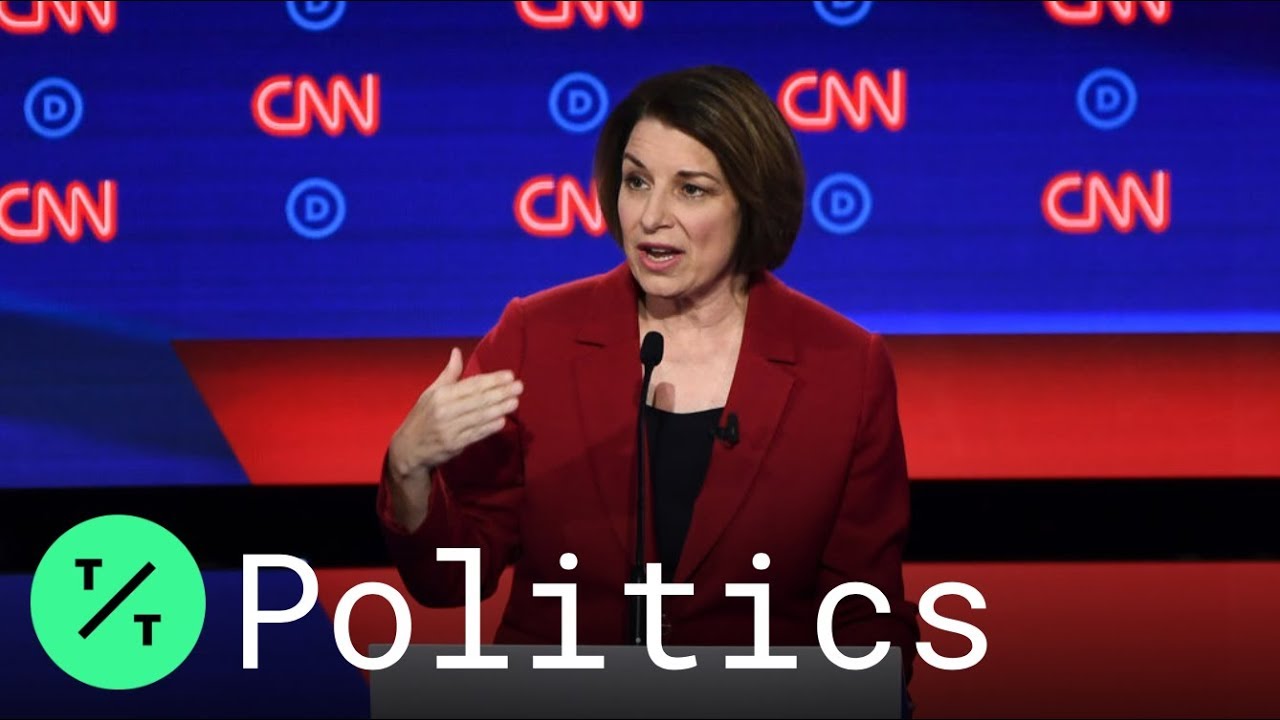
“Do I think that we’re going to end up voting for a plan that kicks half of America off of their current insurance in four years?” Senator Amy Klobuchar of Minnesota said. “No, I don’t think we’re going to do that.”
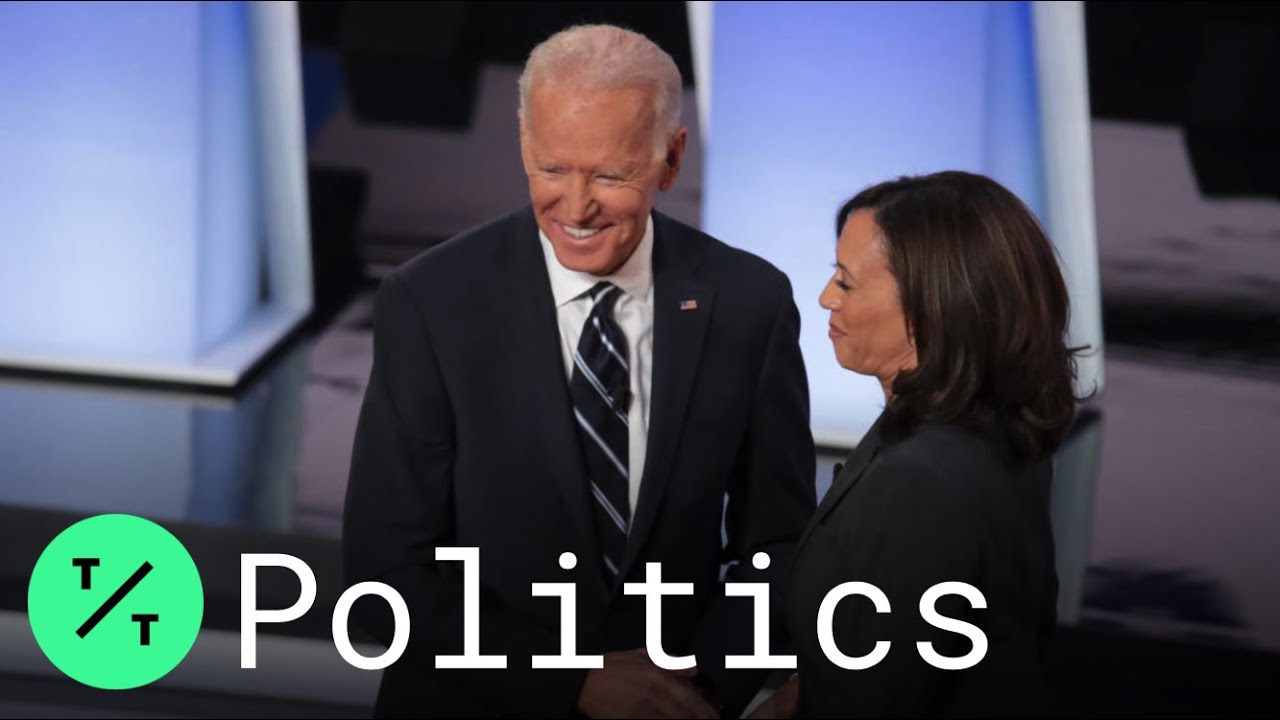
All of Klobuchar’s senate colleagues running for the nomination have co-sponsored Sanders’ Medicare-for-all legislation, including Warren, Cory Booker, Kamala Harris and Kirsten Gillibrand.
A number of candidates including Klobuchar, former Texas congressman Beto O’Rourke, South Bend Mayor Pete Buttigieg and former Colorado Governor John Hickenlooper supported a so-called public option. That would let people buy into a public health program if they want to, without forcing the change. Hickenlooper called it “an evolution, not a revolution.”
Warren answered critics with a message intended to unify the 10 candidates on stage.
“We are not about trying to take away health care from anyone,” she said. “That’s what the Republicans are trying to do.”
Subscribe to our YouTube channel
TICTOC ON SOCIAL:
Follow TicToc on Twitter
Like TicToc on Facebook
Follow TicToc on Instagram
Watch all of TicToc’s videos
Listen to TicToc’s podcast
Subscribe to our newsletter
TicToc by Bloomberg is global news for the life you lead. We are a 24/7 news network that covers breaking news, politics, technology, business and entertainment stories from around the globe, supported by a network of Bloomberg’s 2,700 journalists across 120 countries.
Sentinel Indexing in Progress
Metadata and chapters are available. Claim extraction for this episode is pending.
All video content is delivered via YouTube embedded players in accordance with the YouTube Terms of Service. Sentinel provides research tools that promote discovery and accountability across political media.