Bloomberg News
@Bloomberg-News·2.8M subscribers·40.1K videos
How Hong Kong’s Leaderless Protest Army Gets Things Done
Posted
August 29, 2019
Views
7,793
Likes
49
Comments
31
Engagement
1.03%
August 29, 2019
7,793
49
31
1.03%
Every word spoken in this episode is indexed. Type any phrase to jump straight to the moment it was said.
Type any word or phrase that may have been spoken. Click a result to seek the player to that exact moment.
Try a name, a topic, or a quoted line
Episode Timeline
Every episode in order around the one you’re watching — click any card and the page flips straight to it.
 1:15Now Playing
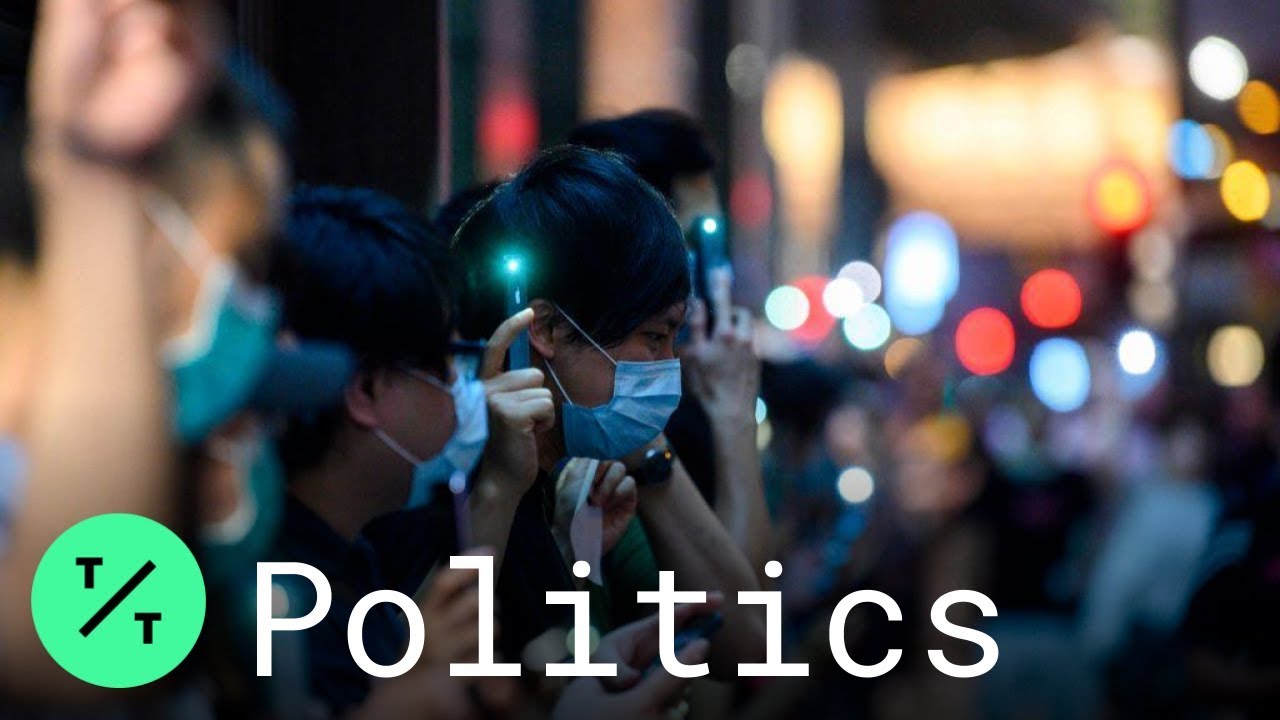
In the waning hours of one of Hong Kong’s most violent days since pro-democracy protests began in June, the city’s online army wanted vengeance.
Videos circulating on message boards and apps on Sunday, Aug. 11, showed police firing tear gas and projectiles at short range inside a subway station, as well as officers who impersonated demonstrators to infiltrate their ranks. Most shocking were images of a woman with blood streaming out of her right eye after police allegedly shot bean-bag rounds into a crowd.
Tech-savvy protesters didn’t wait for a leader to tell them how to respond. Instead, they flooded online forums with suggestions that could be voted up or down by their peers, who eventually agreed to overtake Hong Kong’s international airport.
Those discussion groups, like a free-wheeling digital town hall, serve as the backbone of a movement mounting an unprecedented challenge to China’s increased control over the financial hub. Denied full democracy by the Communist Party in Beijing, they’ve decided to create their own.
“When there’s no single individual decision maker, it’s hard for the government to predict what will happen and launch any kind of suppression,” said Joshua Wong, a main leader of the 2014 Occupy protests in Hong Kong who spent time in jail and now considers himself part of the rank and file. “We don’t have a leader this time, but we have a platform.”
The technology underpinning the movement is a big reason the protests have no end in sight: Authorities can’t simply lock up the masterminds and send everyone home. At the same time, no single leader has enough clout to call off the protests, cut a deal with Chief Executive Carrie Lam or even tell fellow demonstrators what to do next.
Wong himself is a case in point. Lionized in a 2017 documentary on Netflix titled “Joshua: Teenager vs. Superpower,” he’s now just one of thousands of voices discussing ideas on platforms such as LIHKG, a Hong Kong-based forum like Reddit that allows users to endorse posts they support, and Telegram, which allows anonymous users to broadcast messages, photos and videos to hundreds of thousands of people.
Subscribe to our YouTube channel
TICTOC ON SOCIAL:
Follow TicToc on Twitter
Like TicToc on Facebook
Follow TicToc on Instagram
Watch all of TicToc’s videos
Listen to TicToc’s podcast
Subscribe to our newsletter
TicToc by Bloomberg is global news for the life you lead. We are a 24/7 news network that covers breaking news, politics, technology, business and entertainment stories from around the globe, supported by a network of Bloomberg’s 2,700 journalists across 120 countries.
Sentinel Indexing in Progress
Metadata and chapters are available. Claim extraction for this episode is pending.
All video content is delivered via YouTube embedded players in accordance with the YouTube Terms of Service. Sentinel provides research tools that promote discovery and accountability across political media.