Bloomberg News
@Bloomberg-News·2.8M subscribers·40.1K videos
Hong Kong Announces Face Mask Ban In Protests
Posted
October 4, 2019
Views
934
Likes
10
Comments
6
Engagement
1.71%
October 4, 2019
934
10
6
1.71%
Every word spoken in this episode is indexed. Type any phrase to jump straight to the moment it was said.
Type any word or phrase that may have been spoken. Click a result to seek the player to that exact moment.
Try a name, a topic, or a quoted line
Episode Timeline
Every episode in order around the one you’re watching — click any card and the page flips straight to it.
 1:41:13Now Playing
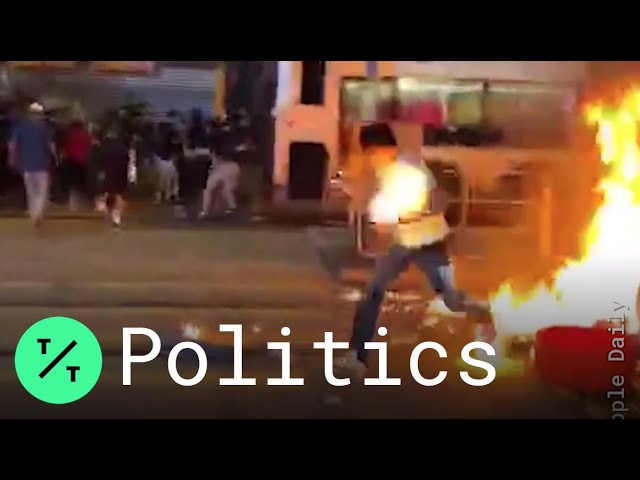
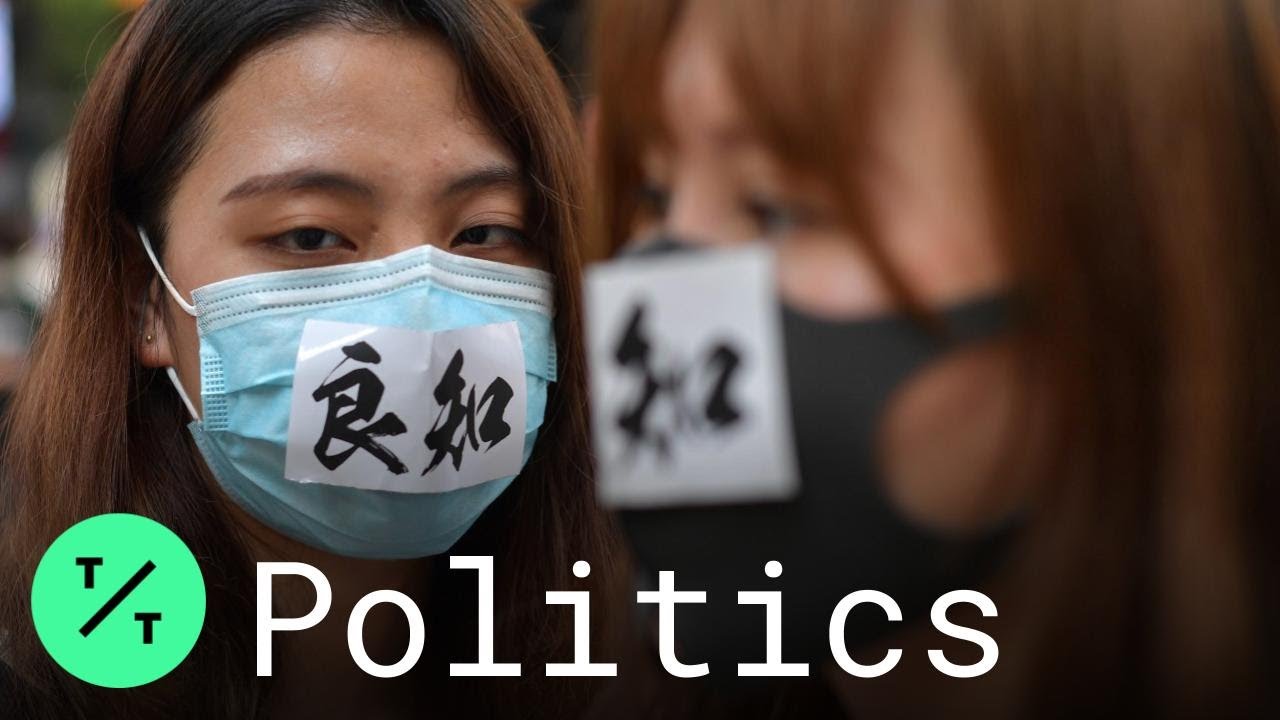
Hong Kong invoked colonial-era emergency powers for the first time in more than half a century to ban face masks for protesters in a bid to quell months of violent unrest.
Chief Executive Carrie Lam announced the measure on Friday during a press briefing with 16 members of her cabinet, citing a rise in violence by protesters in recent weeks. The prohibition on face masks will have a “deterrent effect” to stop violence at protests and help police enforce the law, she told reporters, adding that the measure didn’t mean Hong Kong was under a state of emergency.
“The violence is destroying Hong Kong,” Lam said. “We must save the present Hong Kong and the future Hong Kong.”
“As a responsible government we have duty to use all available means to stop the escalating violence and restore calmness in society,” she added. “We believe the new law will crate a deterrent effect against masked, violent protesters and rioters and will assist the police.”
Violators of the ban, which will include exemptions, could get a jail term of as much as one year or a fine of HK$25,000 ($3,190), according to a copy of the document handed to reporters. People will have a reasonable excuse to use facial coverings if required for physical safety at work, for religious purposes, or for a pre-existing medical or health reason, Lam said.
The face mask has become a symbol of resistance among protesters who fear retribution if they are identified: China has already applied pressure to businesses such as Cathay Pacific Airways Ltd. to fire employees who have participated in demonstrations. The move to invoke colonial-era emergency powers -- last used more than 50 years ago -- comes shortly after a protester was shot in violent demonstrations that once again shook the city on Oct. 1, as President Xi Jinping celebrated 70 years of Communist party rule in Beijing.
First passed by the British government in 1922 to quell a seamen’s strike in Hong Kong’s harbor, the emergency law was last used by the colonial administration to help put down riots that rocked the trading hub in 1967. Denounced by protest leaders as a form of martial law, it could give the government greater leeway to arrest citizens, censor publications, shut off communications networks and search premises without warrants, among other measures.
Subscribe to our YouTube channel
TICTOC ON SOCIAL:
Follow TicToc on Twitter
Like TicToc on Facebook
Follow TicToc on Instagram
Subscribe to our newsletter
TicToc by Bloomberg is global news for the life you lead. We are a 24/7 news network that covers breaking news, politics, technology, business and entertainment stories from around the globe, supported by a network of Bloomberg’s 2,700 journalists across 120 countries.
Sentinel Indexing in Progress
Metadata and chapters are available. Claim extraction for this episode is pending.
All video content is delivered via YouTube embedded players in accordance with the YouTube Terms of Service. Sentinel provides research tools that promote discovery and accountability across political media.