Bloomberg News
@Bloomberg-News·2.8M subscribers·40.1K videos
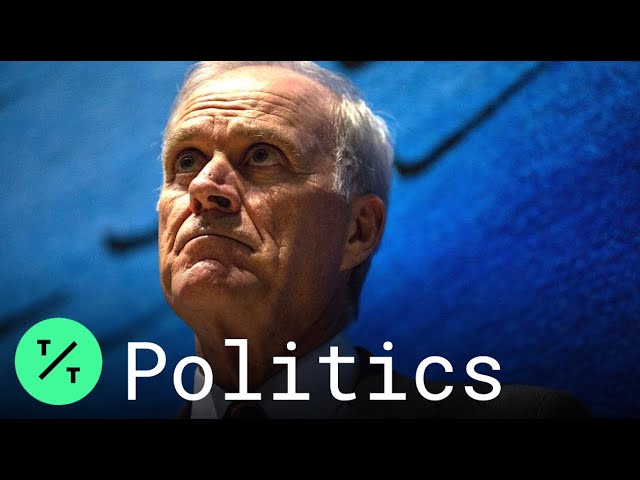
Bloomberg Kicks Off 2020 Campaign in Virginia
Posted
November 25, 2019
Views
9,669
Likes
76
Comments
191
Engagement
2.76%
November 25, 2019
9,669
76
191
2.76%
Every word spoken in this episode is indexed. Type any phrase to jump straight to the moment it was said.
Type any word or phrase that may have been spoken. Click a result to seek the player to that exact moment.
Try a name, a topic, or a quoted line
See what was published immediately before and after this episode.
 16:23Now Playing
Former New York Mayor Michael Bloomberg’s late entry into the presidential race highlights the deep philosophical divide animating the Democratic contest – putting his experience, his reputation and his fortune behind the argument that a pragmatic centrist pledging competent government is what’s needed to take down an unconventional president.
Bloomberg is the founder and majority owner of Bloomberg LP, the parent company of Bloomberg News
With no clear front-runner in the Democratic race so far, Bloomberg says he wants to fill this vacuum by offering primary voters a credible alternative – and a clear choice to go down a path of moderate views on taxes and health care, at a time there’s concern in the party that advocating policies deemed too far left will only ensure President Donald Trump’s re-election.
“I offer myself as a doer and a problem solver – not a talker,” Bloomberg said in announcing his candidacy, where he called Trump “an existential threat to our country and our values.”
Bloomberg also cited his efforts to rebuild New York after the Sept. 11 attacks and his efforts in favor of gun control and against climate change and tobacco use. "I believe my unique set of experiences in business, government and philanthropy will enable me to win and lead."
Bloomberg’s entry into the race comes on the heels of fears expressed by both former President Barack Obama and House Speaker Nancy Pelosi that Democrats risk handing the election to Trump by proposing sweeping changes like Medicare for All. Bloomberg said in January the plan, which would effectively curtail private insurance, “would bankrupt us for a very long time.”
The question Bloomberg will face is whether a 77-year-old billionaire and former Republican is the right candidate to carry that message as the Democratic nominee. Bloomberg has added another layer of complications, saying he doesn’t plan to compete in the early nominating contests like Iowa and New Hampshire and will focus on delegate-rich California and other states voting on the March 3 Super Tuesday contests and beyond.
No one has ever won that way, Democratic strategists and experts say -- but also say that no one like Bloomberg has been able to spend what it takes to run a national campaign to amass the needed delegates.
“Running for the nomination without running in the early states is like defying gravity. That’s how hard it is,’’ Elaine Kamarck, a senior fellow at the Brookings Institution who wrote a book about the presidential nominating process, said ahead of Bloomberg’s announcement. “However, what has not been tried is defying gravity with a lot of money behind you.’’
Bloomberg is the founder and majority owner of Bloomberg LP, the parent company of Bloomberg News.
Aides said the former New York mayor, who announced in March he wouldn’t run, is getting in now because polls show the top issue for Democrats is electability against Trump -- and everyone in the field has vulnerabilities against the president.
Bloomberg spokesman Jason Schechter also said many progressive voters will like Bloomberg’s positions on big policy issues. He also said voters would be willing to look past their differences with Bloomberg if they believe he can beat Trump.
Former Vice President Joe Biden currently represents the centrist view in the primary contest and entered the race as the front-runner, but he has lagged in fundraising and faced questions about electability. Pete Buttigieg, the 37 year-old mayor of South Bend, Indiana, has risen to the lead in Iowa with moderate positions. Warren and Sanders have solidified their positions by promising to tax the wealthy and provide government health care to all.
Bloomberg is planning to finance his entire campaign without outside donations, even if that prevents him from qualifying for upcoming debates, Schechter said Sunday. That tactic could make it harder for him to raise his profile among voters who don’t know him, and avoids him having to defend his policies to his rivals and the public.
Bloomberg hasn’t said how much he’s willing to devote to the race but will “spend what’s needed,’’ Schechter said.
Subscribe to our YouTube channel
TICTOC ON SOCIAL:
Follow TicToc on Twitter
Like TicToc on Facebook
Follow TicToc on Instagram
Subscribe to our newsletter
TicToc by Bloomberg is global news for the life you lead. We are a 24/7 news network that covers breaking news, politics, technology, business and entertainment stories from around the globe, supported by a network of Bloomberg’s 2,700 journalists across 120 countries.
Sentinel Indexing in Progress
Metadata and chapters are available. Claim extraction for this episode is pending.
All video content is delivered via YouTube embedded players in accordance with the YouTube Terms of Service. Sentinel provides research tools that promote discovery and accountability across political media.