Bloomberg News
@Bloomberg-News·2.8M subscribers·40.1K videos
Coronavirus: Hong Kong Health Authorities Conduct China Virus "Contact Tracing"
Posted
January 23, 2020
Views
39,595
Likes
166
Comments
149
Engagement
January 23, 2020
39,595
166
149
0.80%
Every word spoken in this episode is indexed. Type any phrase to jump straight to the moment it was said.
Type any word or phrase that may have been spoken. Click a result to seek the player to that exact moment.
Try a name, a topic, or a quoted line
 1:18Now Playing
#coronavirus #ncov2019 #中国新型肺炎 #新型肺炎 #WuhanVirus
The Centre for Health Protection under the Department of Health in Hong Kong said it is conducting "contact tracing"after 2 confirmed coronavirus cases.
The agency said it has contacted people who traveled on the same high-speed train and plane as the 2 coronavirus victims to come forward.
Chinese officials halted travel from Wuhan, essentially locking down the city of 11 million people as they try to stop the spread of a new SARS-like virus that’s already killed 17 and infected hundreds.
The coronavirus, which first appeared last month in the central China city of Wuhan, has spread from the mainland to places including Hong Kong and the U.S. It’s triggered a global effort to prevent a repeat of the SARS pandemic 17 years ago, which killed almost 800 people.
China confirmed 571 coronavirus cases with 17 deaths as of Jan. 22, according to the National Health Commission. Infection cases may ultimately exceed 6,000, Chinese media Caixin reported, citing estimates from unidentified doctors working at key hospitals in Wuhan.
The virus has shown up in locations throughout Asia, from South Korea to Thailand, including two “preliminary positive” reports of the pneumonia-causing virus in Hong Kong. Outside of Asia, the U.S. has confirmed one case.
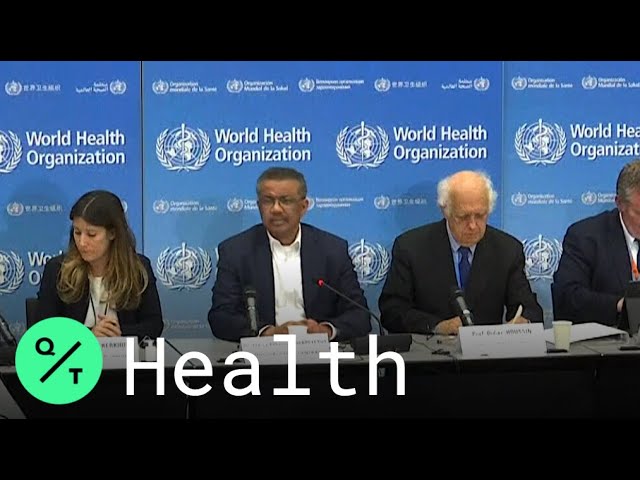
On Wednesday, the World Health Organization delayed a decision on whether to declare the outbreak a public health emergency of international concern, a designation used for complex epidemics that can cross borders. The United Nations agency said it would meet again Thursday to determine a strategy.
“This is an evolving and complex situation,” said Tedros Adhanom Ghebreyesus, director-general of the WHO, in a briefing with reporters in Geneva. “To proceed, we need more information.”
In Wuhan, chaos erupted as residents woke up to the news of the travel ban, which started at 10 a.m. Thursday. Long lines quickly formed at transport links as people tried to leave the city in the middle of the night before the ban took effect. Hundreds of flights were canceled.
Across China, social media postings questioned the blockade, asking why officials had waited until now to implement it, and if it would be effective.
Jeremy Konyndyk, a senior fellow at the Center for Global Development and a former Obama administration official, said that such involuntary quarantines “have a questionable track record and can often be counterproductive.”
“A quarantine around a city larger than New York will be challenging to enforce, and past precedents suggest it could lead to more hiding of cases and less voluntary compliance with public health measures,” he said.
Efforts to quarantine cities can also result in social disorder, according to University of Sydney associate professor Adam Kamradt-Scott. “There’s a delicate balance to be struck here between wanting to avoid the spread of the virus and at the same time maintaining social order and preventing unrest,” he said.
Subscribe to our YouTube channel
QUICKTAKE ON SOCIAL:
Follow QuickTake on Twitter: twitter.com/quicktake
Like QuickTake on Facebook: facebook.com/quicktake
Follow QuickTake on Instagram: instagram.com/quicktake
Subscribe to our newsletter
Email us at quicktakenews@gmail.com
QuickTake by Bloomberg is a global news network delivering up-to-the-minute analysis on the biggest news, trends and ideas for a new generation of leaders.
Sentinel Indexing in Progress
Metadata and chapters are available. Claim extraction for this episode is pending.
All video content is delivered via YouTube embedded players in accordance with the YouTube Terms of Service. Sentinel provides research tools that promote discovery and accountability across political media.