Bloomberg News
@Bloomberg-News·2.8M subscribers·40.1K videos
Facebook Sets Out Coronavirus Misinformation Battle Plan
Posted
January 31, 2020
Views
4,167
Likes
27
Comments
19
Engagement
1.10%
January 31, 2020
4,167
27
19
1.10%
Every word spoken in this episode is indexed. Type any phrase to jump straight to the moment it was said.
Type any word or phrase that may have been spoken. Click a result to seek the player to that exact moment.
Try a name, a topic, or a quoted line
 1:09Now Playing
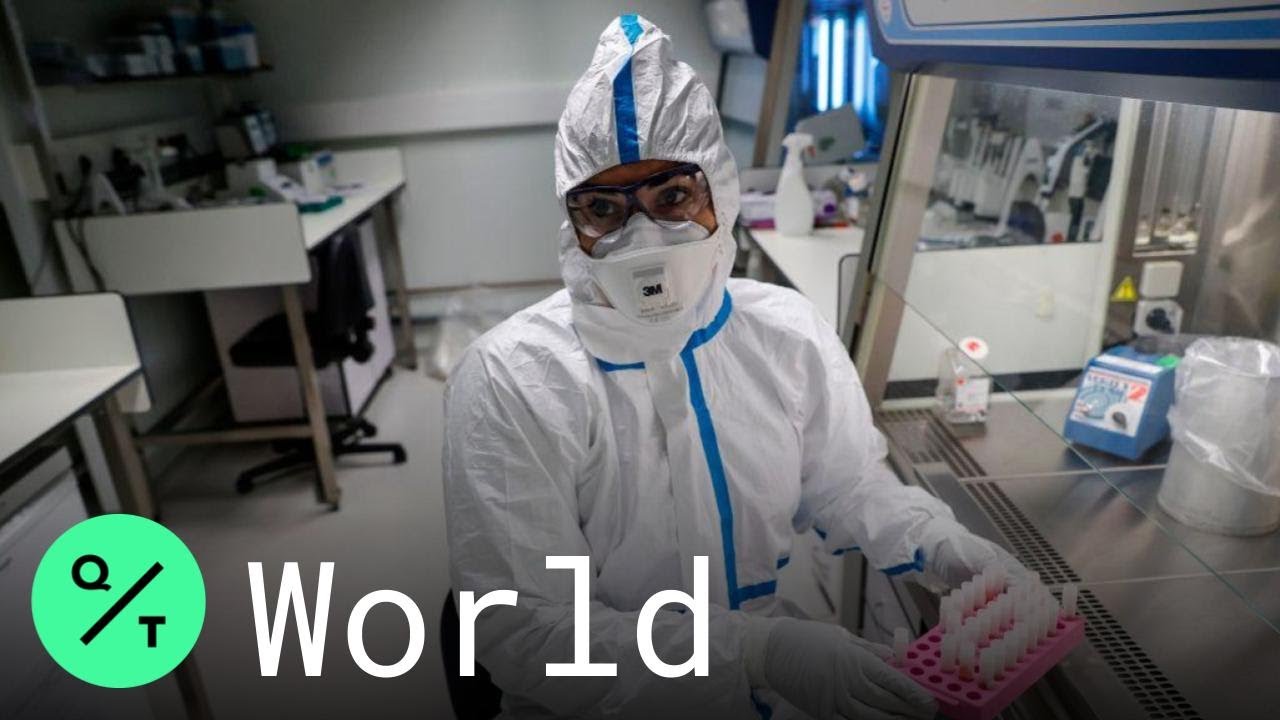
Facebook Inc. will begin removing fake claims and conspiracy theories about the coronavirus, stepping up efforts to fight the spread of misinformation about a viral outbreak that’s killed more than 200.
The spread of the virus, which has been declared a global emergency by the World Health Organization, is the latest test of social networks’ ability to rein in false and dangerous claims. Facebook cited the drinking of bleach as one spurious cure claim that’s been circulating, saying it will “start to remove content with false claims or conspiracy theories that have been flagged by leading global health organizations and local health authorities that could cause harm to people who believe them.”
The company has an existing policy of removing content deemed a threat to users’ physical harm, and has used that policy in the past to remove vaccine-related misinformation, though in rare cases.
The novel coronavirus is taking on a life of its own on the internet, once again putting U.S.-based social media companies on the defensive about their efforts to curb the spread of false information. Researchers and journalists have documented a growing number of cases of misinformation about the virus, ranging from racist explanations for the disease’s origin to false claims about miracle cures.
Aside from expanding its removal policy, Facebook is doing its usual fact-checking with independent third-party partners, notifying users who may have shared inaccurate prevention tips and disseminating verified advice. The company is “conducting proactive sweeps to find and remove as much of” the misleading content as it can, wrote Kang-Xing Jin, its head of health, and it will block or restrict hashtags on Instagram that may be used to spread falsehoods.
Facebook is putting prompts and modules in its News Feed, designed to steer users to accurate information, and it is also taking guidance from the WHO. “When people search for information related to the virus on Facebook or tap a related hashtag on Instagram, we will return a dedicated information module with credible information,” Jin wrote. Free advertising credits have been provided to health organizations looking to run coronavirus education campaigns on Facebook and Instagram.
The third prong to Facebook’s response is a partnership with Harvard University’s School of Public Health and Taiwan’s National Tsing Hua University, which the company is providing with “aggregated and anonymized mobility data and high resolution population density maps to help inform their forecasting models.” The company may expand its academic partners, according to Jin, though he warned that “not all of these steps are fully in place” and the rollout of all of Facebook’s measures will take time.
It’s notable that Facebook has acknowledged misinformation relating to the virus outbreak as a real threat to users and not merely a nuisance. The step of actually removing misleading content and not just labeling it as such is a significant one for a company that’s said it won’t fact-check political advertising. Still, information shared in private groups lies outside the reach of Facebook’s fact-checking apparatus, and they have been known to incubate conspiracies on many different topics.
Twitter Inc.’s efforts in tackling the issue include directing users to reliable sources, prompting those who search for “coronavirus” to visit the Centers for Disease Control and Prevention website. The company has not seen an uptick in disinformation since the coronavirus became a worldwide problem, a spokeswoman said. Twitter has a policy against people trying to mislead others with “deceptive activity.”
Alphabet Inc.’s Google has launched one of its so-called SOS Alerts for the coronavirus crisis, partnering with the WHO to issue news updates and resources to anyone searching about it. The alert will be the top thing anyone sees, offering safety tips and the latest updates from the WHO.
On YouTube, the company isn’t yet taking any measures particular to the coronavirus, but it’s battling the rush to hurried misinformation by showing short previews of text-based news articles about the outbreak in search results.
Subscribe to our YouTube channel
QUICKTAKE ON SOCIAL:
Follow QuickTake on Twitter: twitter.com/quicktake
Like QuickTake on Facebook: facebook.com/quicktake
Follow QuickTake on Instagram: instagram.com/quicktake
Subscribe to our newsletter
Email us at quicktakenews@gmail.com
QuickTake by Bloomberg is a global news network delivering up-to-the-minute analysis on the biggest news, trends and ideas for a new generation of leaders.
Sentinel Indexing in Progress
Metadata and chapters are available. Claim extraction for this episode is pending.
All video content is delivered via YouTube embedded players in accordance with the YouTube Terms of Service. Sentinel provides research tools that promote discovery and accountability across political media.