Bloomberg News
@Bloomberg-News·2.8M subscribers·40.1K videos
Covid-19 Pandemic Likely to Last Two Years, Report Says
Posted
May 1, 2020
Views
4,579
Likes
25
Comments
22
Engagement
1.03%
May 1, 2020
4,579
25
22
1.03%
Every word spoken in this episode is indexed. Type any phrase to jump straight to the moment it was said.
Type any word or phrase that may have been spoken. Click a result to seek the player to that exact moment.
Try a name, a topic, or a quoted line
 3:39Now Playing
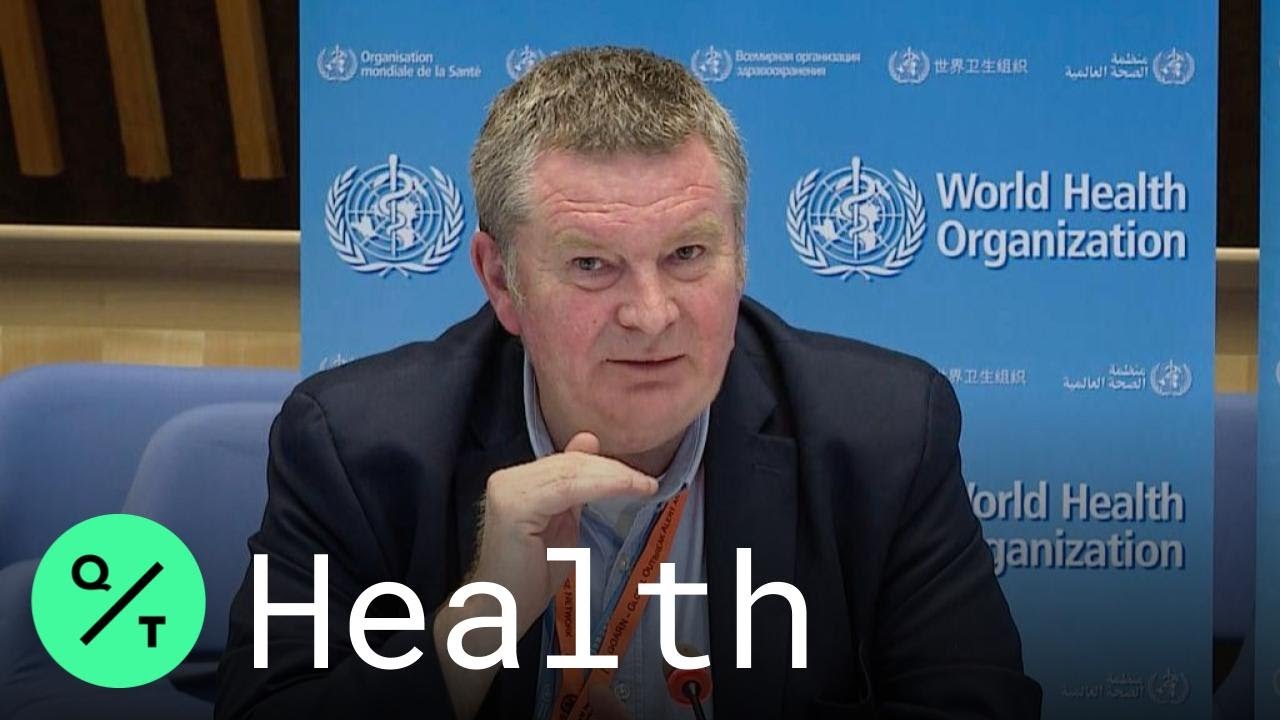
“Covid-19 pandemic is not finished,” Professor Didier Houssin, who chairs the emergency committee on coronavirus. He said several recommendations were made to the WHO, including developing strategy guidance for a safe return to normal passenger travel.
The coronavirus pandemic is likely to last as long as two years and won’t be controlled until about two-thirds of the world’s population is immune, a group of experts said in a report.
Because of its ability to spread from people who don’t appear to be ill, the virus may be harder to control than influenza, the cause of most pandemics in recent history, according to the report from the Center for Infectious Disease Research and Policy at the University of Minnesota. People may actually be at their most infectious before symptoms appear, according to the report.
After locking down billions of people around the world to minimize its spread through countries, governments are now cautiously allowing businesses and public places to reopen. Yet the coronavirus pandemic is likely to continue in waves that could last beyond 2022, the authors said.
“Risk communication messaging from government officials should incorporate the concept that this pandemic will not be over soon,” they said, “and that people need to be prepared for possible periodic resurgences of disease over the next two years.”
Developers are rushing to make vaccines that may be available in small quantities as early as this year. While large amounts of vaccine against the 2009-2010 flu pandemic didn’t become available until after the outbreak peaked in the U.S., one study has estimated that the shots prevented as many as 1.5 million cases and 500 deaths in that country alone, the report said.
The report was written by CIDRAP director Michael Osterholm and medical director Kristen Moore, Tulane University public health historian John Barry, and Marc Lipsitch, an epidemiologist at the Harvard School of Public Health.
Subscribe to our YouTube channel
QUICKTAKE ON SOCIAL:
Follow QuickTake on Twitter: twitter.com/quicktake
Like QuickTake on Facebook: facebook.com/quicktake
Follow QuickTake on Instagram: instagram.com/quicktake
Subscribe to our newsletter
Email us at quicktakenews@gmail.com
QuickTake by Bloomberg is a global news network delivering up-to-the-minute analysis on the biggest news, trends and ideas for a new generation of leaders.
Sentinel Indexing in Progress
Metadata and chapters are available. Claim extraction for this episode is pending.
All video content is delivered via YouTube embedded players in accordance with the YouTube Terms of Service. Sentinel provides research tools that promote discovery and accountability across political media.