Bloomberg News
@Bloomberg-News·2.8M subscribers·40.1K videos
Powell: U.S. Economy May Be Entering Period of Significant Improvements in Employment
Posted
June 16, 2020
Views
878
Likes
6
Comments
5
Engagement
June 16, 2020
878
6
5
1.25%
Every word spoken in this episode is indexed. Type any phrase to jump straight to the moment it was said.
Type any word or phrase that may have been spoken. Click a result to seek the player to that exact moment.
Try a name, a topic, or a quoted line
 0:51Now Playing
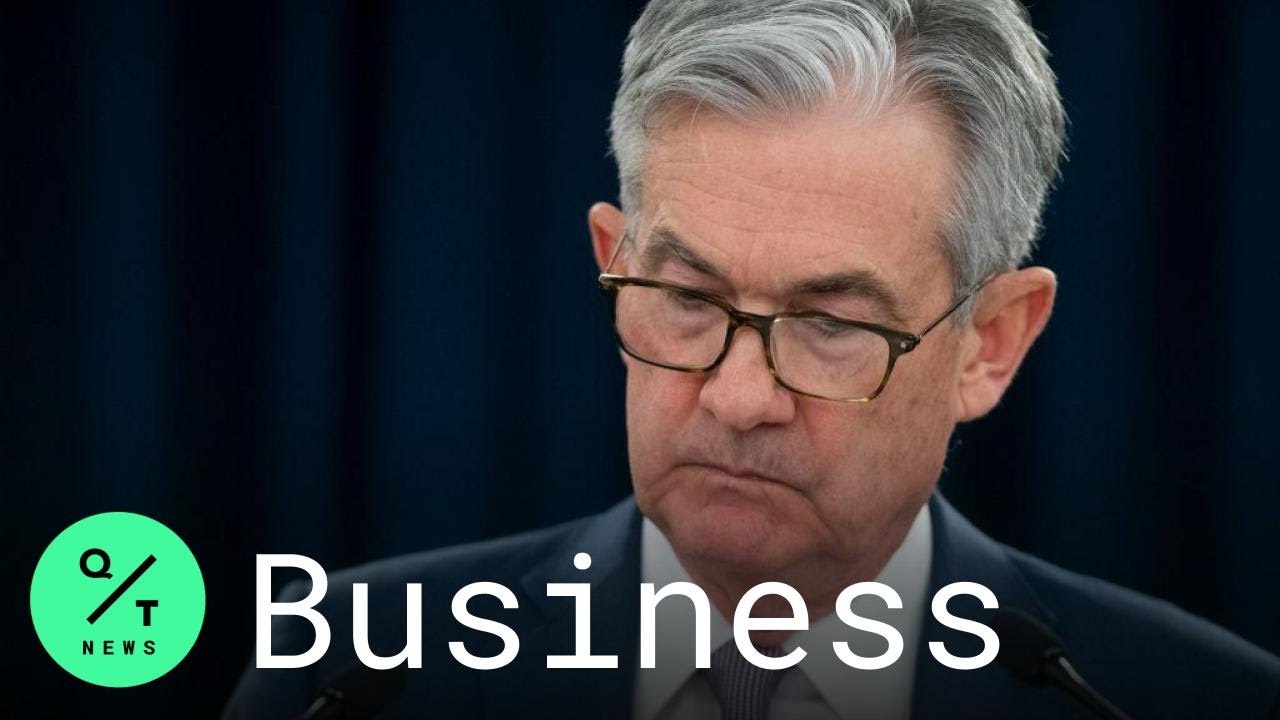
Federal Reserve Chairman Jerome Powell said the U.S. economy may be entering a period of significant improvements in employment, but one that will leave the labor market “well short” of the robust levels seen just before the coronavirus pandemic.
“We would expect to see large numbers of people during this period coming back to work during this second period -- call it the bounce back or the beginning of the recovery,” Powell said Tuesday as he testified via video conference before the Senate Banking Committee.
“Then we think, and I think most if not all forecasters think, that will leave us well short of where we were in February,” he added.
With that observation, along with his prepared remarks Tuesday, Powell offered another restrained assessment of positive economic news, choosing again to emphasize the U.S. economy has a long way to go before it reverses the substantial damage done by the coronavirus pandemic.
“Recently, some indicators have pointed to a stabilization, and in some areas a modest rebound, in economic activity,” Powell said Tuesday in his opening statement.
“That said, the levels of output and employment remain far below their pre-pandemic levels, and significant uncertainty remains about the timing and strength of the recovery,” he added.
Stephen Stanley, chief economist at Amherst Pierpont Securities, in a note to clients said Powell “continues to see the glass as more than half empty. He is very worried about permanent damage from the lockdown-induced downturn, even if it is over.”
Powell was repeatedly asked by senators about economic inequality and the unemployment rates for low-income and Black Americans in light of protests sweeping the nation over police brutality and racial disparities.
The Fed chair noted the disproportionate impact of job losses on low-income Americans and minorities saying the economic pain was hitting hardest on those who can least afford it.
“If not contained and reversed, the downturn could further widen gaps in economic well-being that the long expansion had made some progress in closing,” he said.
The Fed lowered interest rates to near zero in mid-March and has purchased trillions in bonds to settle panicked credit markets. It has also unveiled nine emergency lending programs to help households, companies, states and local governments battle through hardships created by the pandemic.
Powell reviewed the steps the central bank has taken and repeated that policy makers are “committed to using our full range of tools to support the economy in this challenging time.”
Asked about the potential for the central bank to cap the yield on Treasury securities at certain maturities -- a strategy known as yield-curve control -- Powell said policy makers were in the early stage of evaluating that option.
“We’ve made absolutely no decision to go forward on it,” he said.
Powell was also pressed by Democrats on whether Congress should provide additional fiscal support to the economy, focusing in particular on whether budget cutbacks by state and local governments could further damage the economy if they don’t receive more aid.
Powell tried to stay out of what is a partisan battle but agreed that is a risk.
“We do know, and research does show, in the aftermath of the global financial crises during the Great Recession, state and local government did weigh on economic activity,” he said. “I do think that area’s worth some attention.”
He also appeared to lend his support to continuing some level of extra aid to the unemployed after he was asked by Georgia Republican David Perdue whether supplementary unemployment insurance might prevent people from returning to work.
“I wouldn’t presume to tell you what the Fed thinks you should do, it’s really not our role,” he said. “We do think you’ll want to continue support for workers in some form. There are going to be an awful lot of unemployed people for some time.”
The chair’s remarks came on the heels of surprisingly good data on consumer demand released earlier Tuesday. The Commerce Departments said U.S. retail sales rose in May by a better-than-expected 17.7%, the biggest jump in data going back to 1992. That follows a 14.7% slump in April.
The May payrolls report, out June 5, also came in unexpectedly strong. But just as he did after that report, Powell nodded to the good news and then reminded Americans that much remains unclear about the fledgling recovery.
Subscribe to our YouTube channel
QUICKTAKE ON SOCIAL:
Follow QuickTake on Twitter: twitter.com/quicktake
Like QuickTake on Facebook: facebook.com/quicktake
Follow QuickTake on Instagram: instagram.com/quicktake
Subscribe to our newsletter
Email us at quicktakenews@gmail.com
QuickTake by Bloomberg is a global news network delivering up-to-the-minute analysis on the biggest news, trends and ideas for a new generation of leaders.
Sentinel Indexing in Progress
Metadata and chapters are available. Claim extraction for this episode is pending.
All video content is delivered via YouTube embedded players in accordance with the YouTube Terms of Service. Sentinel provides research tools that promote discovery and accountability across political media.