
Bloomberg News
@Bloomberg-News·2.8M subscribers·40.1K videos
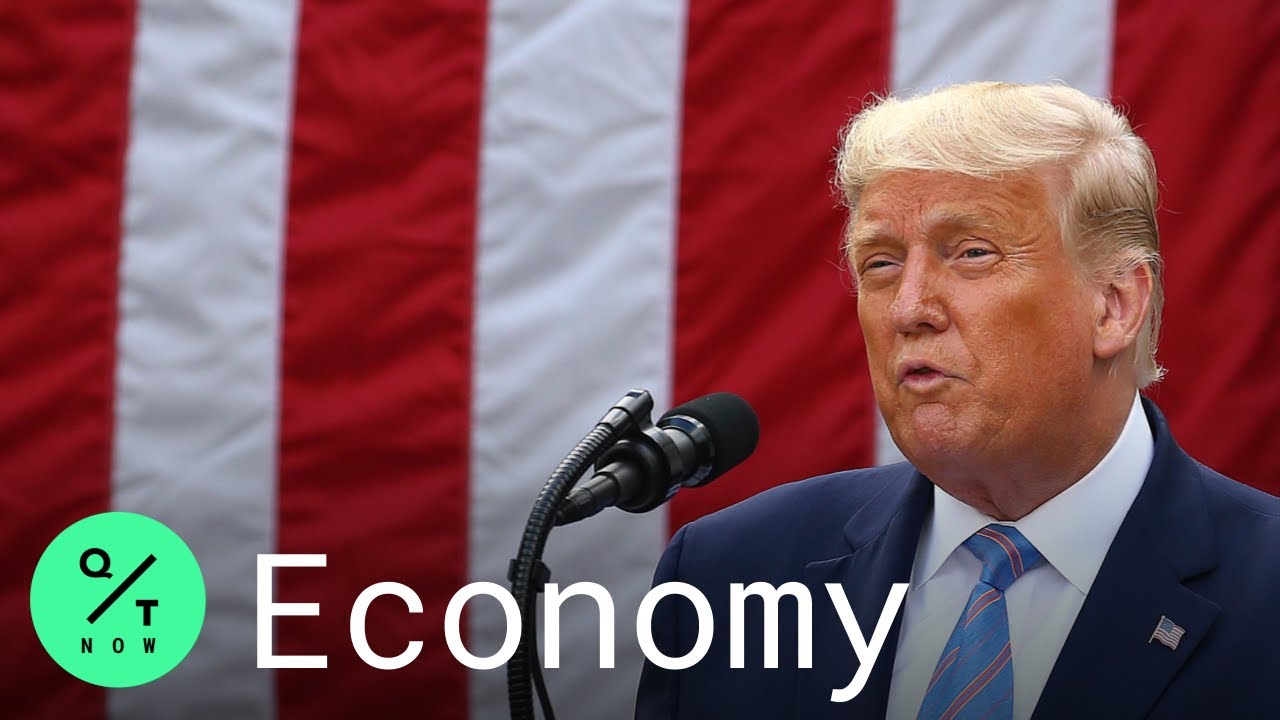
Trump’s Jobs Record Fell Short of Promises Even Before the Virus
Posted
September 29, 2020
Views
1,332
Likes
31
Comments
36
Engagement
September 29, 2020
1,332
31
36
5.03%
Every word spoken in this episode is indexed. Type any phrase to jump straight to the moment it was said.
Type any word or phrase that may have been spoken. Click a result to seek the player to that exact moment.
Try a name, a topic, or a quoted line
See what was published immediately before and after this episode.
 2:00Now Playing
When Donald Trump ran for president, he boasted he would be the “greatest jobs president that God ever created.”
Now, as a result of the Covid-19 pandemic, Trump heads into the November election on track to be the first U.S. leader since World War II to oversee a net loss of jobs during a four-year term.
The virus upended one of the nation's strongest jobs markets in decades and triggered the sharpest recession since at least the 1940s. As a result, since Trump’s inauguration, the nation has shed a net 4.7 million positions as of August and more than 13 million people are unemployed, the rough equivalent of the combined populations of New York City, Chicago and Houston.
But even before Covid-19, Trump’s job gains were nearly keeping up with the pace during former President Barack Obama’s second term. And he was falling short of his 2016 campaign pledge to create 25 million jobs over the next decade.
On Friday, the Labor Department is scheduled to provide its last big look at employment before the Nov. 3 election. Economists project an 850,000 gain in nonfarm payrolls in September and expect the unemployment rate to notch down to 8.2% — which would mark a moderating rebound and leave jobs still almost 11 million short of the pre-crisis level.
The figures will be the backdrop against which Trump and Democrat Joe Biden argue they’re best positioned to revive the economy. The two are scheduled to face off in their first debate Tuesday in Cleveland, Ohio, and the economy is expected to be a focus.
For Trump, his record on the economy ranges from the quality of jobs created to the impact of policies he enacted on taxes and trade.
The president often points to broad-based job gains on his watch before the pandemic as evidence of his economic stewardship. Through February, employment had increased by 6.8 million since January 2017, and the unemployment rate had fallen to a 50-year low.
Women, people of color and the disabled all benefited. So did White men without college degrees, a core Trump constituency.
But those pre-pandemic job gains were “right in line with what had occurred in the six years leading up to when Mr. Trump became president,” said Jay Bryson, chief economist at Wells Fargo & Co.
Job growth was slightly slower in Trump’s first three years before Covid than it was during the last three years of the Obama administration, when the economy added 2.7 million jobs a year on average. Under Trump, that average was 2.2 million, until this year’s tumult more than wiped out the gains.
Read the rest of this story at Bloomberg.com
Subscribe to our YouTube channel
QUICKTAKE ON SOCIAL:
Follow QuickTake on Twitter: twitter.com/quicktake
Like QuickTake on Facebook: facebook.com/quicktake
Follow QuickTake on Instagram: instagram.com/quicktake
Subscribe to our newsletter
Email us at quicktakenews@gmail.com
QuickTake by Bloomberg is a global news network delivering up-to-the-minute analysis on the biggest news, trends and ideas for a new generation of leaders.
Sentinel Indexing in Progress
Metadata and chapters are available. Claim extraction for this episode is pending.
All video content is delivered via YouTube embedded players in accordance with the YouTube Terms of Service. Sentinel provides research tools that promote discovery and accountability across political media.