Bloomberg News
@Bloomberg-News·2.8M subscribers·40.1K videos
House Democrats Pass $2.2 Trillion Virus Relief Bill; Senate Approval Unlikely
Posted
October 2, 2020
Views
31,911
Likes
237
Comments
253
Engagement
October 2, 2020
31,911
237
253
1.54%
Every word spoken in this episode is indexed. Type any phrase to jump straight to the moment it was said.
Type any word or phrase that may have been spoken. Click a result to seek the player to that exact moment.
Try a name, a topic, or a quoted line
See what was published immediately before and after this episode.
 16:05Now Playing
The House passed a $2.2 trillion Democrat-only fiscal stimulus package after the most concerted talks between the top negotiators since early August failed to yield a bipartisan agreement.
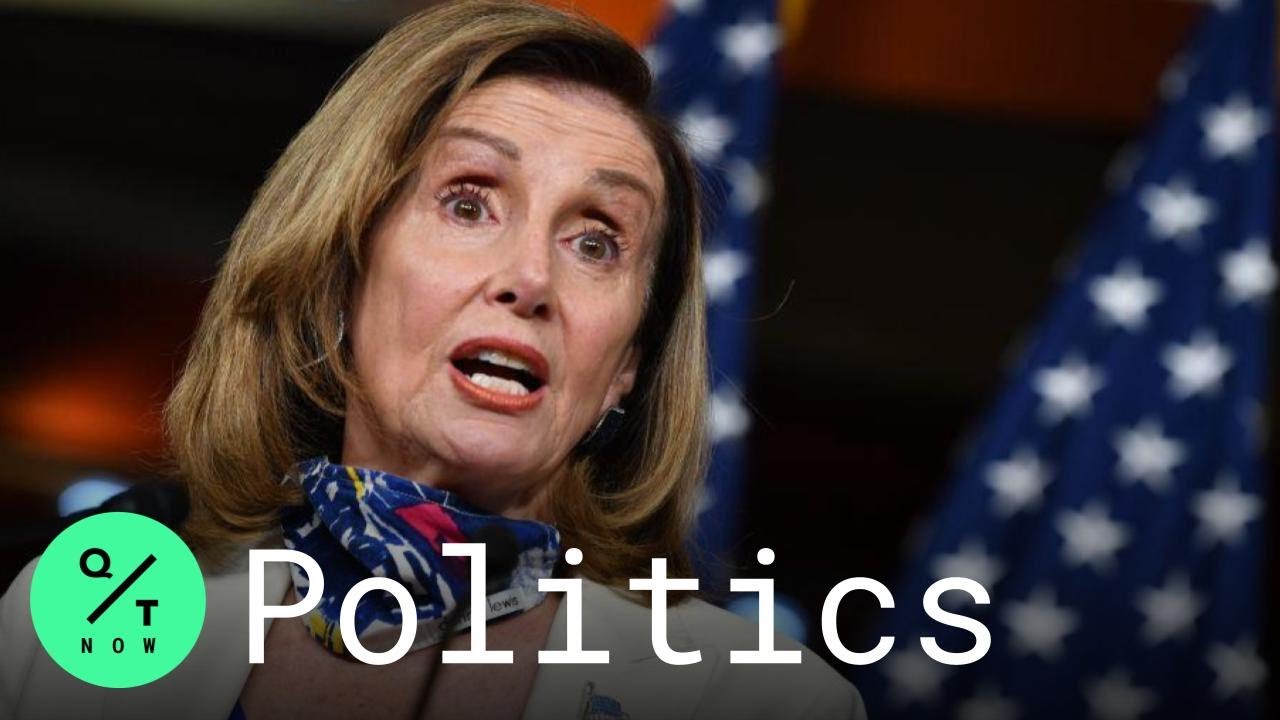
Speaker Nancy Pelosi earlier insisted the vote -- which at 214-207 saw no Republican support -- wouldn’t slam the door on negotiations with the White House on a bill President Donald Trump could sign into law. After sitting down with Treasury Secretary Steven Mnunchin Wednesday, she spoke with him several times by phone again Thursday.
Those talks have so far failed to bridge what’s been a gap of hundreds of billions of dollars between the two sides. Sharp differences also remain on components of coronavirus relief, with the Trump administration rejecting the scale of aid Democrats want for state and local authorities, and Pelosi demanding the end of tax breaks she says are devoted to the wealthy.
The speaker told reporters Thursday evening that she would review documents that Mnuchin had sent her to determine where to go next after several calls during the day. “We are going back and forth with our paper,” she said, underscoring the importance of the language used in any deal.
Pelosi said the House’s vote on its own bill would help present in a more public way what Democrats are unified in “pushing for” in the negotiations. Republicans in the Senate, where they have a majority, attempted to pass their own package last month -- a $650 billion plan that was blocked by Democrats.
With the presidential and congressional elections 33 days away and Congress expected to adjourn beforehand for the final leg of the campaign, time is running short. Private economists have already cut their growth forecasts for the fourth quarter after the failure to find a compromise on another fiscal package.
Economic data are already showing the fading impact of the $2 trillion stimulus enacted in March. Americans’ incomes fell in August by the most in three months after the government’s supplemental unemployment benefits expired, a report showed Thursday.
Although Trump and his aides have continued to express confidence in the recovery, major companies have announced job cuts in recent days. Walt Disney Co. said Tuesday it’s slashing 28,000 workers, American Airlines Group Inc. said Wednesday night it would begin to furlough 19,000 employees and United Airlines Holdings Inc. is planning to cut more than 13,000.
“People say we should have a skinny package -- no, we don’t have a skinny problem. We have a massive problem,” Pelosi said on the House floor Thursday.
Democrats reduced their stimulus demands from a $3.4 trillion bill the House passed in May. But the legislation approved Thursday is still more than Republicans have said they could accept. Also, Senate Majority Leader Mitch McConnell said earlier that it was rife with “poison pills” that have nothing to do with pandemic relief.
House Republicans cast the bill as pure political messaging, more of a left-wing, campaign-year wish list that showed how far apart the two sides are than genuine legislating.
Top Appropriations Committee Republican Kay Granger of Texas characterized the package as a “damaging partisan bill.” She said it “was crafted without the input from members on our side of the aisle and does not have the support needed to pass the Senate or be signed by the president.”
Mnuchin said Trump instructed his negotiators “to come up significantly” from the initial GOP proposal of a $1 trillion pandemic relief plan.
They offered Pelosi a maximum of $1.6 trillion, some of which was covered by unused small business relief funds, according to people familiar with the proposal.
Pelosi underscored before the House vote that she’ll still work on negotiations for a bill that both the House and Senate can pass, and Trump can sign into law. “I’m hopeful that they can produce something. I never say this is the last chance.”
“We could come right back and prepare to do another bill,” assured Rules Committee Chairman Jim McGovern of Massachusetts, if talks were to turn around.
Some House Democrats had for weeks been pressuring their leaders to allow such a vote, in lieu of a bipartisan deal, as they hit the final stretch of their re-election campaigns.
“I can’t tell how much of this is genuine effort to pass a bill and how much is position-taking prior to the election,” said Josh Huder, a senior fellow at Georgetown University’s governmental affairs institute.
Subscribe to our YouTube channel
QUICKTAKE ON SOCIAL:
Follow QuickTake on Twitter: twitter.com/quicktake
Like QuickTake on Facebook: facebook.com/quicktake
Follow QuickTake on Instagram: instagram.com/quicktake
Subscribe to our newsletter
Email us at quicktakenews@gmail.com
QuickTake by Bloomberg is a global news network delivering up-to-the-minute analysis on the biggest news, trends and ideas for a new generation of leaders.
Sentinel Indexing in Progress
Metadata and chapters are available. Claim extraction for this episode is pending.
All video content is delivered via YouTube embedded players in accordance with the YouTube Terms of Service. Sentinel provides research tools that promote discovery and accountability across political media.