Bloomberg News
@Bloomberg-News·2.8M subscribers·40.1K videos
Vaccines Fight Covid, But Can They Stop the Spread?
Posted
November 19, 2020
Views
9,486
Likes
55
Comments
47
Engagement
1.08%
November 19, 2020
9,486
55
47
1.08%
Every word spoken in this episode is indexed. Type any phrase to jump straight to the moment it was said.
Type any word or phrase that may have been spoken. Click a result to seek the player to that exact moment.
Try a name, a topic, or a quoted line
Episode Timeline
Every episode in order around the one you’re watching — click any card and the page flips straight to it.
 2:09Now Playing
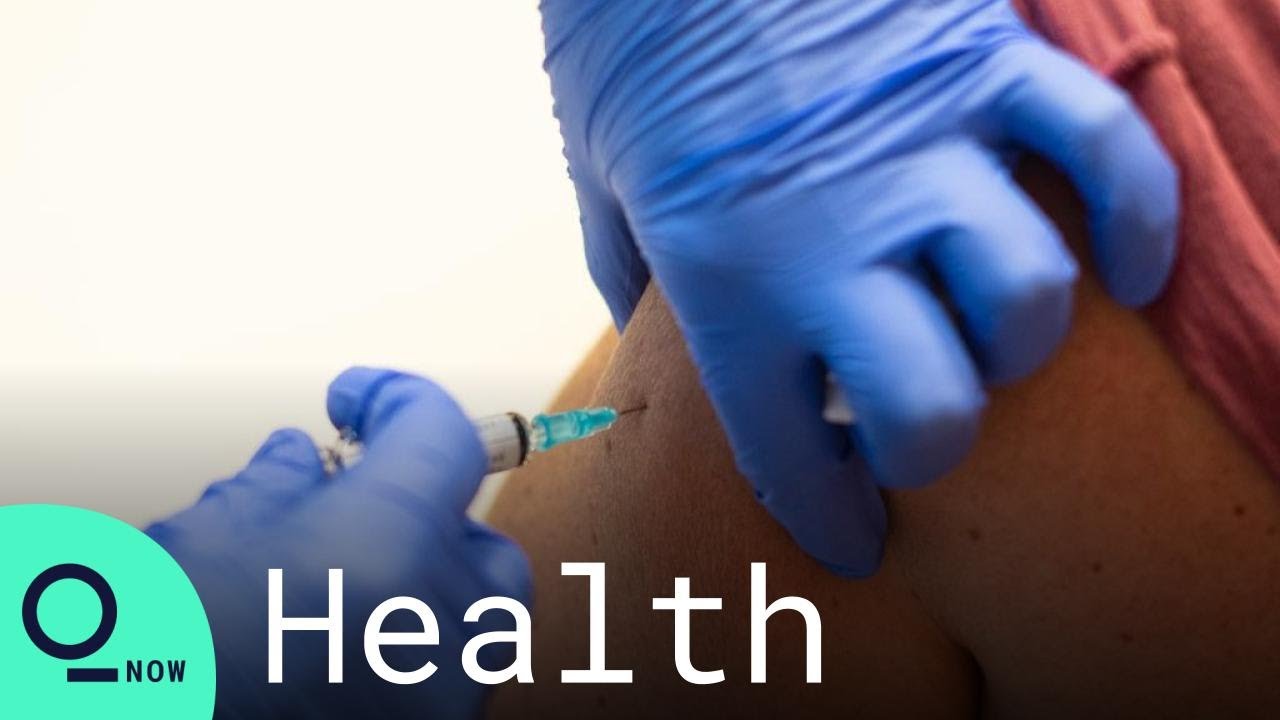
Covid-19 vaccines, now closer to becoming widely available than ever, are the ultimate tool to help tame the virus and allow people to return to some semblance of pre-pandemic life. Despite the recent good news on their progress, though, it’s unclear whether they can truly deliver on the promise of a return to normal. Why? Because as much as some vaccines have proved effective in protecting against Covid-19 symptoms, they haven’t yet shown that they can stop the virus from spreading. In fact, some vaccine makers haven’t even tested for that. And that’s a problem.
Shots in development by Moderna Inc. and the partnership of Pfizer Inc. and BioNTech SE have shown stunning early success at reducing illness in infected patients. Just this week, Pfizer revealed that its vaccine was 94% effective in test subjects over 65 years old – the demographic group that needs the vaccine most. There’s still a lot left to learn, not least how protective these inoculations may be in the long run. But so far, there’s reason to believe that vaccines will induce the kind of immunity that Covid-19 survivors have developed. As for possible virus mutations, the latest vaccine technologies appear able to cope with them for now.
What’s still unknown, however, is whether the vaccines also prevent transmission of the virus. Might vaccinated people who never develop Covid-19 symptoms still carry the virus and pass it to others? This is an important question, especially if many people refuse to be inoculated. Many public opinion surveys have found that a significant proportion of people are skeptical of vaccines, or at least have some misgivings. But if a vaccine does not meaningfully reduce viral transmission, it leaves the unimmunized relatively vulnerable. And if the coronavirus continues to be passed from person to person, it has a better chance to keep mutating and potentially evade our defenses.
Is it possible to make sure a vaccine can block transmission? That’s a difficult thing to do completely because it requires that the shot stop the virus from replicating, even in the open spaces of the nose and throat where it’s tough for vaccines to exert their effects. It is possible, though. Logic suggests that a vaccine capable of triggering a very strong immune response would also provide so-called sterilizing immunity - that is, block transmission. Among the many vaccines now in development, Novavax Inc.’s has been found to have induced the highest antibody levels, even after taking into account the differences in the way antibodies are measured.
Preclinical studies have also shown that some of the vaccines in development achieved complete viral suppression in monkeys. Johnson & Johnson, Novavax and Pfizer-BioNTech were all able to virtually eradicate the virus from animal respiratory tracts. (Vaccines in development by AstraZeneca Plc and Moderna didn’t quite manage this.) But these are not human trials, of course.
Subscribe to our YouTube channel
Bloomberg Quicktake brings you live global news and original shows spanning business, technology, politics and culture. Make sense of the stories changing your business and your world.
To watch complete coverage on Bloomberg Quicktake 24/7, visit or watch on Apple TV, Roku, Samsung Smart TV, Fire TV and Android TV on the Bloomberg app.
Connect with us on…
Breaking News on YouTube
Sentinel Indexing in Progress
Metadata and chapters are available. Claim extraction for this episode is pending.
All video content is delivered via YouTube embedded players in accordance with the YouTube Terms of Service. Sentinel provides research tools that promote discovery and accountability across political media.