Bloomberg News
@Bloomberg-News·2.8M subscribers·40.1K videos
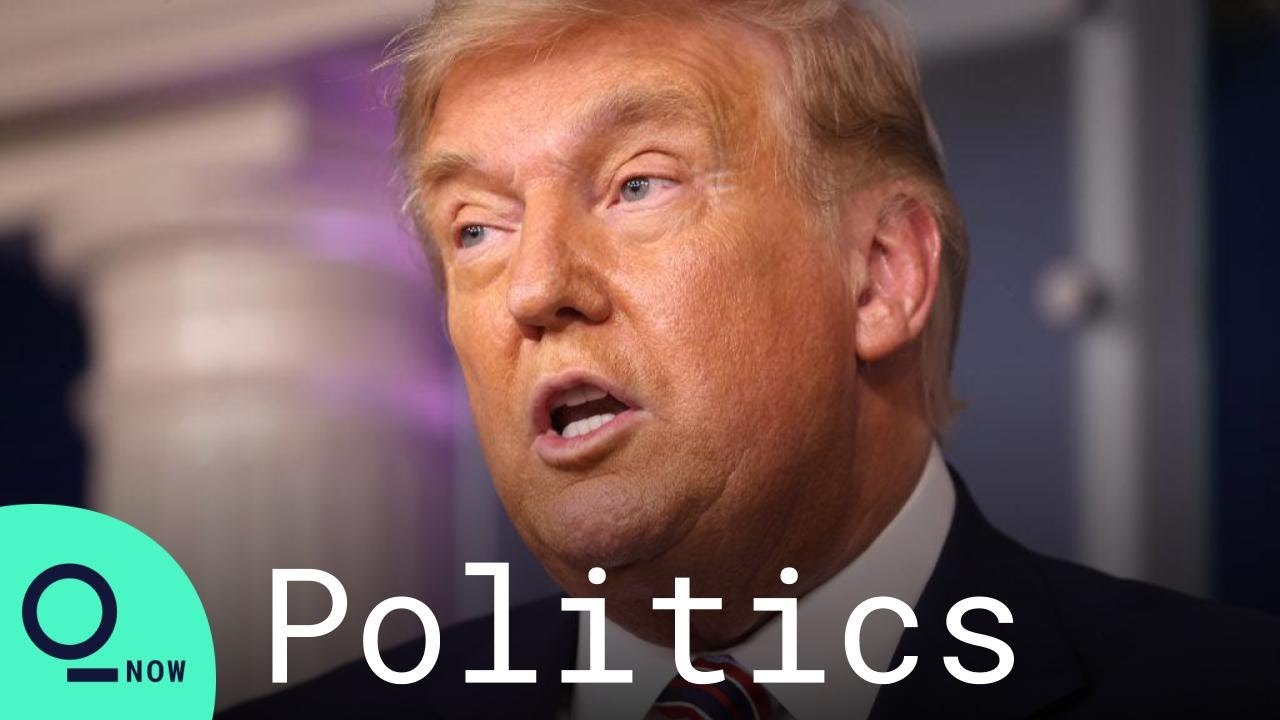
Trump: You Wouldn't Have a Vaccine If It Weren't For Me'
Posted
November 20, 2020
Views
14,253
Likes
82
Comments
103
Engagement
1.30%
November 20, 2020
14,253
82
103
1.30%
Every word spoken in this episode is indexed. Type any phrase to jump straight to the moment it was said.
Type any word or phrase that may have been spoken. Click a result to seek the player to that exact moment.
Try a name, a topic, or a quoted line
Episode Timeline
Every episode in order around the one you’re watching — click any card and the page flips straight to it.
 1:27Now Playing
Trying to close out major unfinished business, the Trump administration issued regulations Friday that could lower the prices Americans pay for many prescription drugs.
But in a time of political uncertainty, it's hard to say whether the rules will withstand expected legal challenges from the pharmaceutical industry or whether the incoming Biden administration will accept, amend or try to roll them back entirely.
"The drug companies don't like me too much. But we had to do it," President Donald Trump said in announcing the new policy at the White House. "I just hope they keep it. I hope they have the courage to keep it," he added, noting pressure from drug company lobbyists.
"Big Pharma ran millions of dollars of negative advertisements against me during the campaign, which I won, by the way," Trump told reporters.
The two finalized rules, long in the making, would:
Tie what Medicare pays for medications administered in a doctor's office to the lowest price paid among a group of other economically advanced countries. That's called the "most favored nations" approach. It is adamantly opposed by critics aligned with the pharmaceutical industry, who liken it to socialism. The administration estimates it could save $28 billion over seven years for Medicare recipients through lower copays. It would take effect Jan. 1.
And secondly require drugmakers, for brand name pharmacy medications, to give Medicare enrollees rebates that now go to insurers and middlemen called pharmacy benefit managers. Insurers that deliver Medicare's "Part D" prescription benefit say that would raise premiums. The nonpartisan Congressional Budget Office estimates it would increase taxpayer costs by $177 billion over 10 years. The Trump administration disputes that and says its rule could potentially result in 30% savings for patients. It would take effect Jan. 1, 2022.
The industry is considering "all options to stop this reckless attack on the companies working around the clock to beat COVID-19," the Pharmaceutical Research and Manufacturers of America said in a statement.
Trump came into office accusing pharmaceutical companies of "getting away with murder" and complaining that other countries whose governments set drug prices were taking advantage of Americans.
Subscribe to our YouTube channel
Bloomberg Quicktake brings you live global news and original shows spanning business, technology, politics and culture. Make sense of the stories changing your business and your world.
To watch complete coverage on Bloomberg Quicktake 24/7, visit or watch on Apple TV, Roku, Samsung Smart TV, Fire TV and Android TV on the Bloomberg app.
Connect with us on…
Breaking News on YouTube
Sentinel Indexing in Progress
Metadata and chapters are available. Claim extraction for this episode is pending.
All video content is delivered via YouTube embedded players in accordance with the YouTube Terms of Service. Sentinel provides research tools that promote discovery and accountability across political media.