Bloomberg News
@Bloomberg-News·2.8M subscribers·40.1K videos
Canceling Student Loans Would Backfire on Biden
Posted
November 23, 2020
Views
7,350
Likes
73
Comments
265
Engagement
4.60%
November 23, 2020
7,350
73
265
4.60%
Every word spoken in this episode is indexed. Type any phrase to jump straight to the moment it was said.
Type any word or phrase that may have been spoken. Click a result to seek the player to that exact moment.
Try a name, a topic, or a quoted line
Episode Timeline
Every episode in order around the one you’re watching — click any card and the page flips straight to it.
 4:49Now Playing
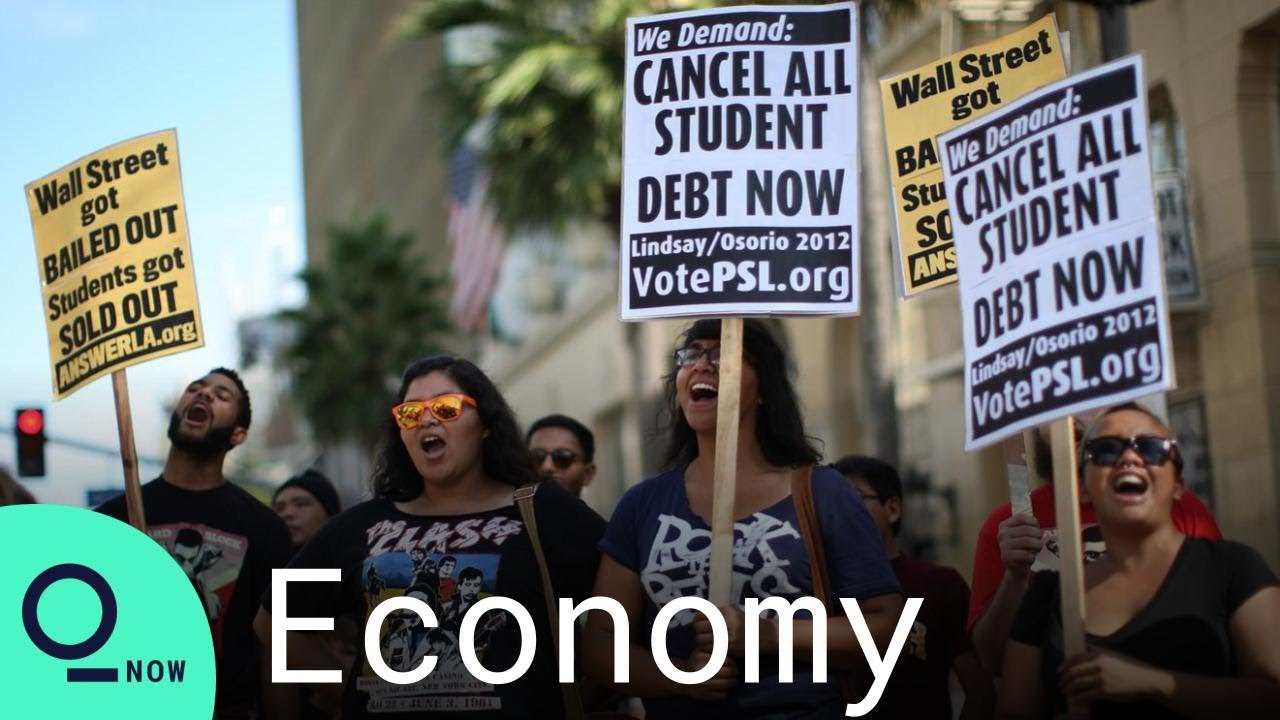
President-elect Joe Biden is under pressure to do something that sounds bold and progressive when he takes office: Cancel the student debt of millions of Americans. If he really wants to help the most financially challenged, however, there are much better ways to do it.
No doubt, student debt is a problem. The rising cost of college has far outpaced incomes and federal grants, leaving little option but to borrow. The resulting obligations — an estimated $1.55 trillion as of September, up from $250 billion in 2003 — weigh on the entire economy, leading people to delay steps such as starting families and buying houses. The burden has fallen particularly heavily on Black people, who are often targeted by for-profit schools marketing diplomas of questionable value.
The more-progressive wing of the Democratic Party advocates a simple solution: Write the debt off. Senators Elizabeth Warren and Chuck Schumer want Biden to cancel up to $50,000 per borrower, using an executive order to bypass Congress. Biden himself has supported canceling up to $10,000, as part of a broader Covid-19 relief bill. Some studies suggest this could both benefit individual borrowers and offer a good way to boost an economy struggling to recover from the pandemic.
If only. No matter how it’s designed, student-debt forgiveness is very poorly targeted. A lot of the money tends to go to the relatively well off, who are more likely to attend college and hence to have debt. Consider the $10,000 proposal: An analysis by the Urban Institute suggests that it would cost almost $370 billion, about $150 billion of which would accrue to the top two-fifths of U.S. households by income. Applied elsewhere, that $150 billion could head off evictions for a year by increasing federal rental assistance, or ensure that the millions of U.S. children currently going hungry are fed for the next two years.
Even if relief could be better focused on the poor, severe drawbacks remain. For one, the vast majority of Americans who don’t have student debt would rightly feel left out. Many never had the opportunity to get a higher education; others put off financial goals (such as saving for retirement) to pay it down. Also, it would do little to improve the immediate cash flow of the many debtors who — because they’re in default or in income-based repayment plans — are making small or no monthly payments. As a result, the effect on the broader economy would be much weaker than if the government just sent people money. Jason Furman, who headed the Council of Economic Advisers under Barack Obama, estimates that it would be close to zero.
Biden should spend what political capital he has on measures that would genuinely make a difference. The first priority should be to pass a new Covid-19 relief package, including expanded funding for unemployment benefits, rental assistance and food stamps. Beyond that, he should stick to his plan to reform education finance — for example, by enrolling borrowers automatically in more generous income-based repayment plans (in which the poorest pay nothing), forgiving debts in cases where for-profit colleges conferred worthless degrees, making student debt easier to discharge in bankruptcy, and using grant money to cover the full cost of a quality four-year degree for those who can’t afford it.
Threatening to cancel student debt with a stroke of the presidential pen might help prod Congress in the desired direction. Actually doing it would be an economic and political mistake — one that would cast doubt on Biden’s pledge to govern for all Americans.
Subscribe to our YouTube channel
Bloomberg Quicktake brings you live global news and original shows spanning business, technology, politics and culture. Make sense of the stories changing your business and your world.
To watch complete coverage on Bloomberg Quicktake 24/7, visit or watch on Apple TV, Roku, Samsung Smart TV, Fire TV and Android TV on the Bloomberg app.
Connect with us on…
Breaking News on YouTube
Sentinel Indexing in Progress
Metadata and chapters are available. Claim extraction for this episode is pending.
All video content is delivered via YouTube embedded players in accordance with the YouTube Terms of Service. Sentinel provides research tools that promote discovery and accountability across political media.