Bloomberg News
@Bloomberg-News·2.8M subscribers·40.1K videos
Section 230: An Explanation of 'the Internet's Favorite Law'
Posted
December 4, 2020
Views
12,630
Likes
124
Comments
78
Engagement
December 4, 2020
12,630
124
78
1.60%
Every word spoken in this episode is indexed. Type any phrase to jump straight to the moment it was said.
Type any word or phrase that may have been spoken. Click a result to seek the player to that exact moment.
Try a name, a topic, or a quoted line
You’re on December 4, 2020. Earlier episodes are to the left, later ones to the right — the row keeps loading as you go. Click any card to open it.
 Dec 4, 20206:52Now Playing
In a characteristic outburst this week, President Donald Trump threatened to defund the military if Congress didn’t revoke part of a 24-year old telecommunications law. The provision, usually referred to as Section 230, protects companies like Facebook Inc. from legal liability for user-generated content. It's widely viewed as foundational to the modern internet.
Congress pressed ahead with the Defense bill and didn't repeal Section 230, even though many Republicans say they want to. And it's safe to assume they'll continue to make noise about undermining the provision. But now that Democrats are taking over the executive branch, expect Congressional Republicans to shift gears on tech policy. Instead of trying to rewrite key internet legislation, the GOP will likely focus instead on stopping Democrats from doing anything at all.
A prime example of this dynamic is this week’s maneuvering around the Federal Communications Commission. A Senate committee voted Wednesday to advance Trump’s nomination of Nathan Simington to the commission, a move that could deadlock the FCC between Democratic and Republican commissioners.
At first glance, Simington’s imminent confirmation seems like yet another Trump gambit to undermine Section 230. Earlier this year the president asked the FCC to review the law’s protections, a request that Simington helped write. After Commissioner Michael O’Rielly, an otherwise reliable Trump ally, expressed doubt about using the FCC to weaken the law, Trump withdrew O’Rielly’s renomination and put forward Simington instead.
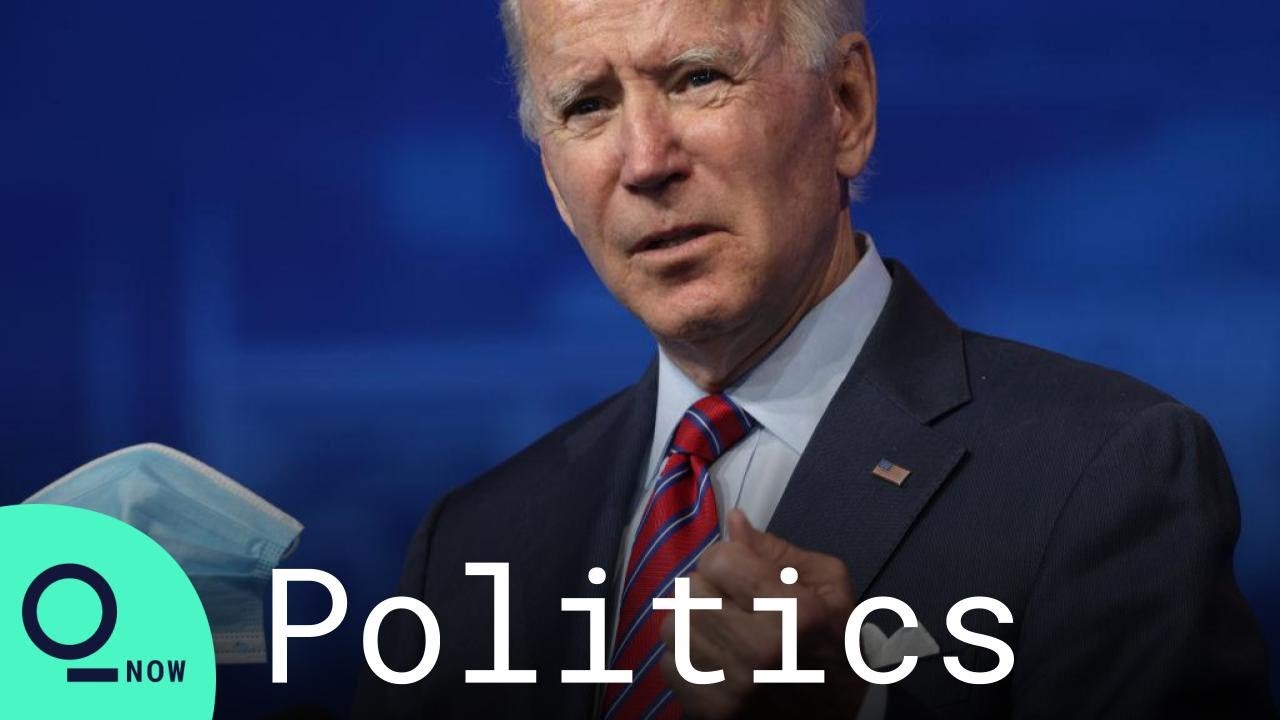
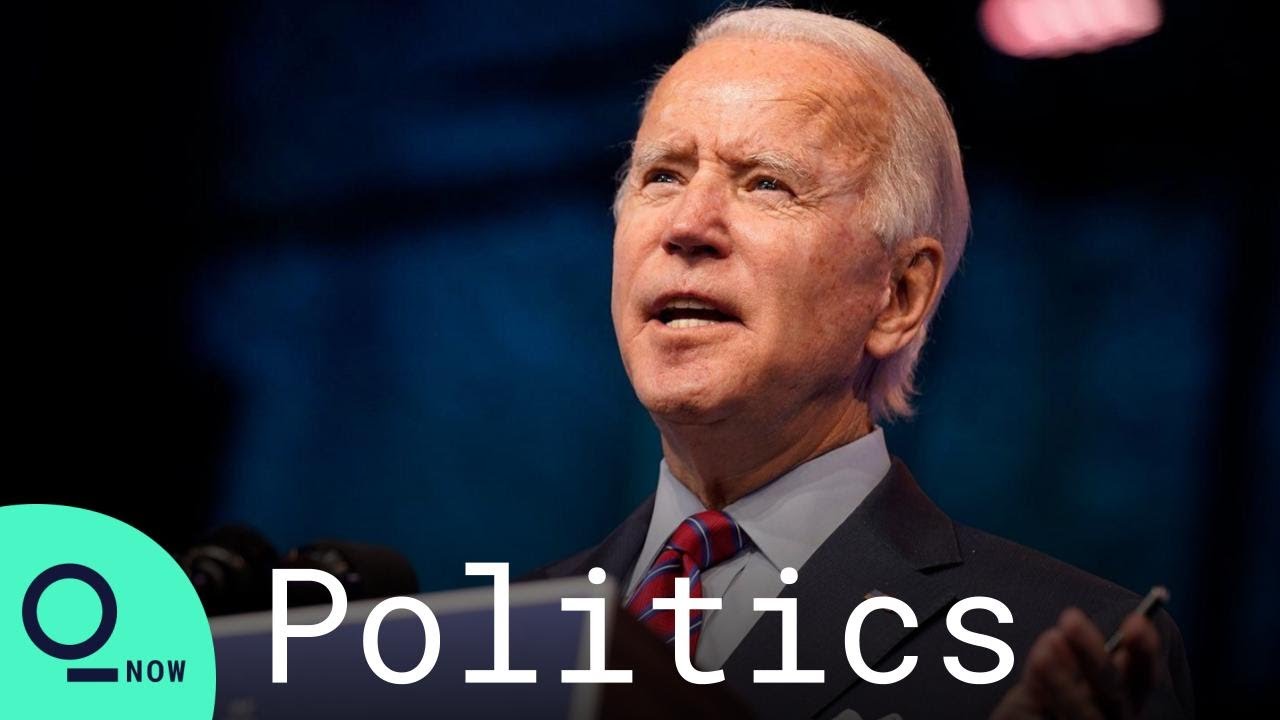
Lawmakers have expressed concern about Simington’s involvement in the administration’s efforts around Section 230. Last month, Democratic Senator Richard Blumenthal said he’d block the nomination unless Simington recused himself from any votes on the issue. Simington wouldn’t commit to doing so, but it doesn’t much matter because there isn’t going to be a vote. In a Joe Biden administration, the chair of the FCC will be a Democrat, and they’ll likely just let the issue drop.
Of course, from a Republican perspective, Simington’s value as an FCC commissioner won’t be actually to do anything himself, but to keep other commissioners from doing things. Once FCC Chair Ajit Pai steps down in January, there will be four members left. And if the Trump administration doesn’t appoint someone else in the coming weeks, the Biden administration will start with a 2-1 majority on the five-member commission.
Subscribe to our YouTube channel
Bloomberg Quicktake brings you live global news and original shows spanning business, technology, politics and culture. Make sense of the stories changing your business and your world.
To watch complete coverage on Bloomberg Quicktake 24/7, visit or watch on Apple TV, Roku, Samsung Smart TV, Fire TV and Android TV on the Bloomberg app.
Have a story to tell? Fill out this survey for a chance to have it featured on Bloomberg Quicktake
Connect with us on…
Breaking News on YouTube
Sentinel Indexing in Progress
Metadata and chapters are available. Claim extraction for this episode is pending.
All video content is delivered via YouTube embedded players in accordance with the YouTube Terms of Service. Sentinel provides research tools that promote discovery and accountability across political media.