Bloomberg News
@Bloomberg-News·2.8M subscribers·40.1K videos
Coronavirus: Who Will Get the Vaccine First? Ethics Explained
Posted
December 9, 2020
Views
1,731
Likes
20
Comments
19
Engagement
December 9, 2020
1,731
20
19
2.25%
Every word spoken in this episode is indexed. Type any phrase to jump straight to the moment it was said.
Type any word or phrase that may have been spoken. Click a result to seek the player to that exact moment.
Try a name, a topic, or a quoted line
 3:49Now Playing
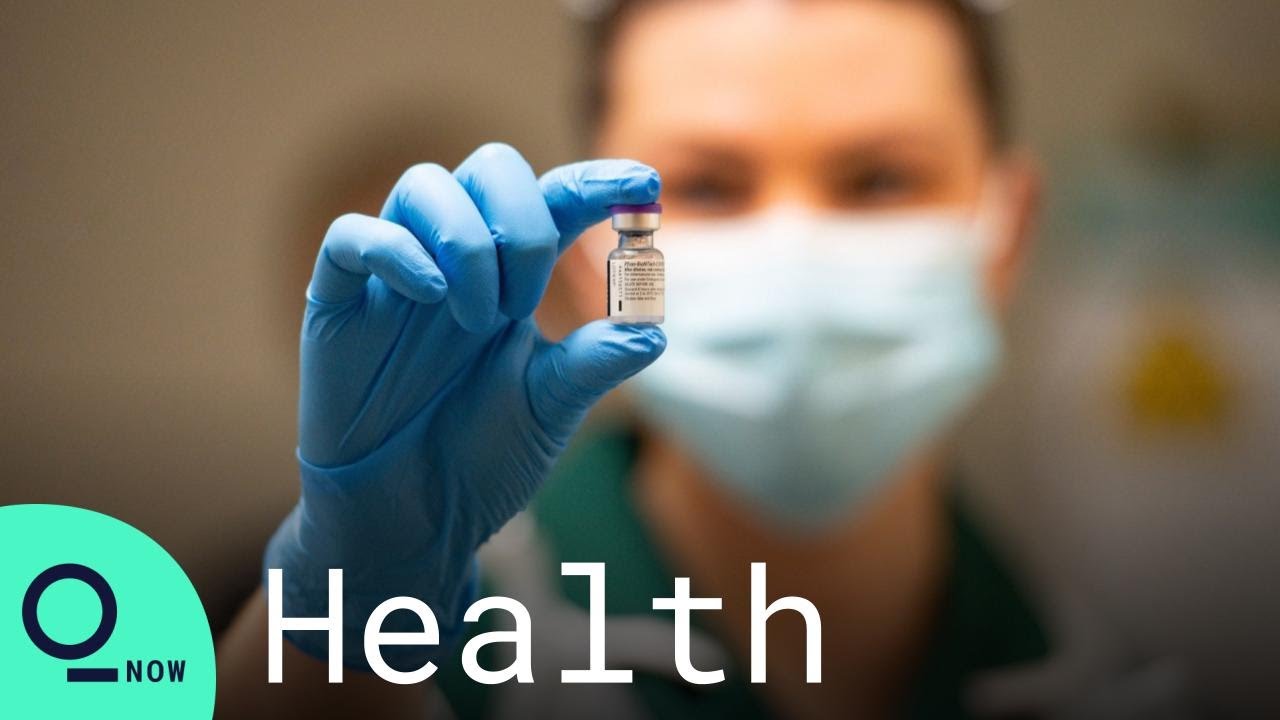
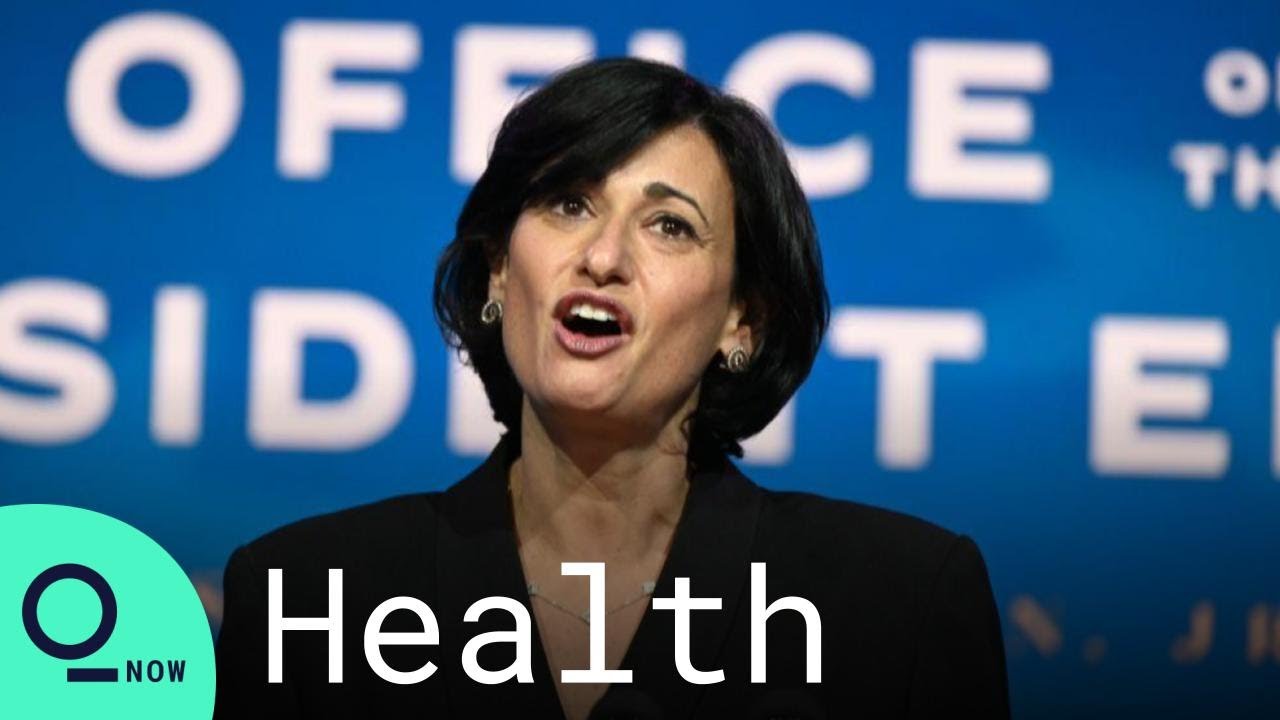
The rollout of Covid-19 vaccines have started in the U.K. with other countries following. But who's getting them first? Prof. Arthur Caplan from NYU Grossman School of Medicine discusses the ethics of vaccination.
He says the U.S. has to rely on vaccines.
"Some nations -- Australia, Taiwan, New Zealand, China -- have worked their way out of this thing by behavior change, lockdowns and strict isolation, quarantine. The US has not, it’s lost control of it. It has to rely on vaccines."
So who will be vaccinated first in the U.S?
"In the emergency side, I think it's pretty clear that you're trying to, in the US in particular, preserve the health care system from not being tipped over. So health care workers are going first, not because they're the greatest need or the greatest risk, but you've got to try and maintain the system. It'll be front line health care workers there, and I think that everybody agrees on that."
Prof. Caplan says nursing home residents should be next.
"There's pretty much agreement that the next group should be nursing home residents because they got beat up very badly by the virus and they still are. You know, out of two hundred and fifty thousand or so deaths here, I think one hundred thousand are nursing homes.
For the first couple of months December, January and February, we're going to see the health care workers get it, the nursing home residents get it, nursing home staff get vaccine and that'll be it. There won't be any more for anybody anyway. So it doesn't matter who's prioritized, then as more supply begins to appear and maybe licensure occurs, you'll probably then go to older, over-65s, people with chronic conditions and quote unquote, essential workers. That's a big. That's probably 80 million plus, but I think we'll have enough vaccine to do that."
Once it's licensed, Prof. Caplan says he thinks the Covid-19 vaccine will become mandatory for some.
"Once the vaccine gets licensed, I think you'll see mandates all over the place. I think the health care institutions, nursing homes will say you're not going to work here unless you get vaccinated. I think you'll see airlines and trains and cruise ships saying you're not coming on board unless you show proof of vaccination. And I support that. I mean, I think at the end of the day, some of the worst outbreaks we've seen have been on cruise ships. I've seen Qantas Airlines already say they're planning a mandate. I suspect most Americans are nervous that the government's going to tell them they have to get a vaccine, but I think you're going to see many things coming out of the private sector more than the government."
But there are other issues to consider too.
"We're obsessing a lot about who's going first, and I think there are two other big issues that are really ethically problems. As soon as you approve some vaccines for emergency use and whether it's England, the U.S. or wherever, a lot of people are going to say, I don't want to be in a trial anymore. I think it's going to see the end of trials due to emergency use.
The other thing I think we are not paying enough attention to is everybody wants to know who's going first. Well, that's nice, but in the short run, the issue isn't who's going first. The issue is, are places going to be able to administer this vaccine?
Pfizer's is cold chain very, very cold temperatures. I don't know if I trust being able to keep everything at the cold-chain temperatures all the way through. It's hard. Even if you do, it comes in packages, I think, of a thousand. That means you get a thousand doses. You open up the package and you've got to get them out within five or six hours. That takes a lot of people to vaccinate that many people that fast. Those people have to be in one place to get it. I mean, it's logistically going to be harder than I think people think."
Subscribe to our YouTube channel
Bloomberg Quicktake brings you live global news and original shows spanning business, technology, politics and culture. Make sense of the stories changing your business and your world.
To watch complete coverage on Bloomberg Quicktake 24/7, visit or watch on Apple TV, Roku, Samsung Smart TV, Fire TV and Android TV on the Bloomberg app.
Have a story to tell? Fill out this survey for a chance to have it featured on Bloomberg Quicktake
Connect with us on…
Breaking News on YouTube
Sentinel Indexing in Progress
Metadata and chapters are available. Claim extraction for this episode is pending.
All video content is delivered via YouTube embedded players in accordance with the YouTube Terms of Service. Sentinel provides research tools that promote discovery and accountability across political media.