Bloomberg News
@Bloomberg-News·2.8M subscribers·40.1K videos
LIVE: Biden Delivers Remarks After Electoral College Victory Over Trump
Posted
December 15, 2020
Views
8,639
Likes
197
Comments
317
Engagement
December 15, 2020
8,639
197
317
5.95%
Every word spoken in this episode is indexed. Type any phrase to jump straight to the moment it was said.
Type any word or phrase that may have been spoken. Click a result to seek the player to that exact moment.
Try a name, a topic, or a quoted line
 13:48Now Playing
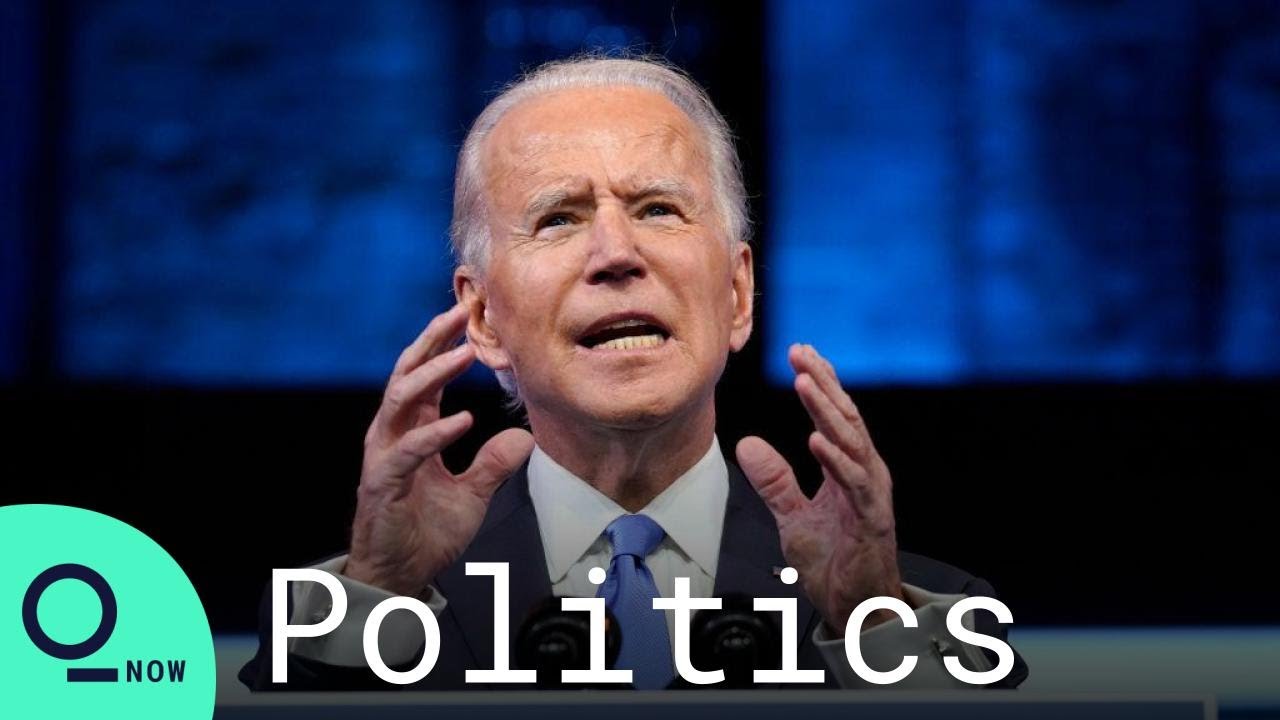
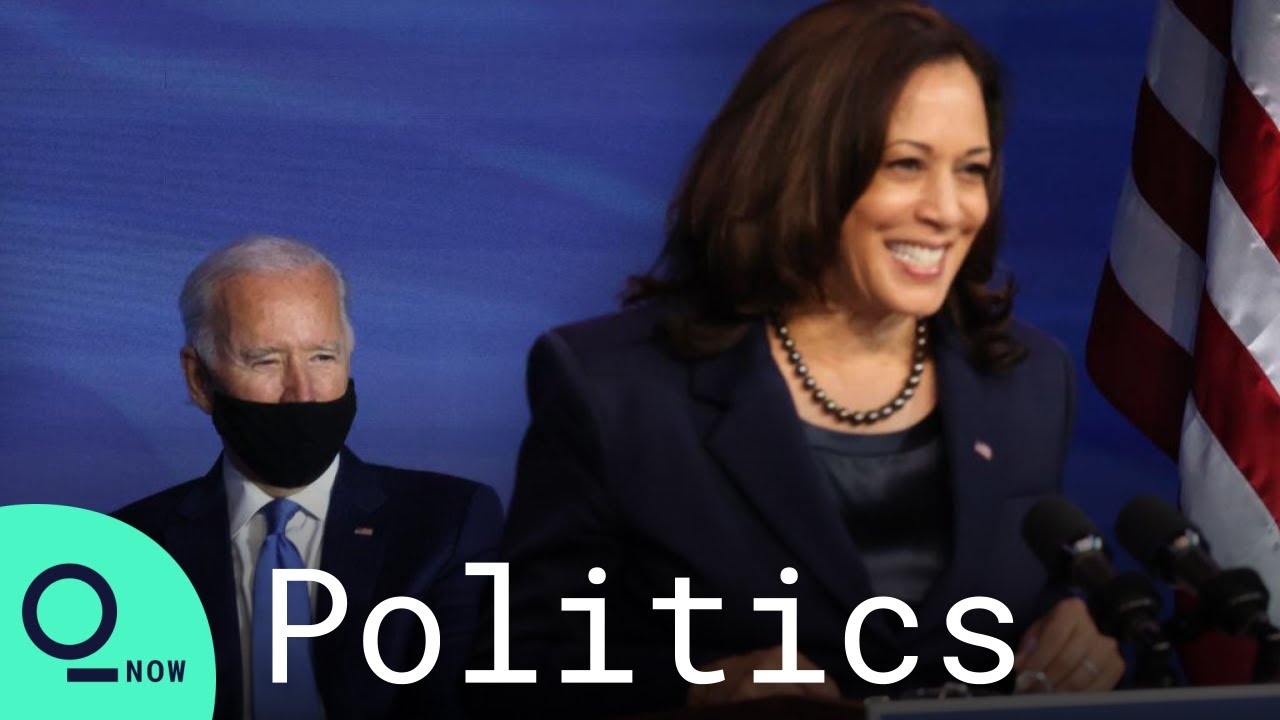
(Dec. 14) Joe Biden delivers remarks in Wilmington, Delaware, at 7:30 p.m. ET after officially winning the U.S. presidency once the Electoral College confirmed his victory on Monday, capping a tumultuous period sparked by Donald Trump’s refusal to acknowledge he lost with the help of Republicans willing to support his unsubstantiated claims.
Biden is planning an address to the nation that will call on Americans to come together now that the process has concluded.
“The flame of democracy was lit in this nation a long time ago. And we now know that nothing — not even a pandemic or an abuse of power — can extinguish that flame,” Biden said in prepared remarks his transition team announced he would deliver at 7:30 p.m. New York time. “And so, now it is time to turn the page. To unite. To heal.”
The president’s campaign and his allies filed dozens of lawsuits seeking to invalidate Biden’s victories in the battleground states, and almost all were rejected for lack of evidence of fraud.
Rick Bloomingdale, a Biden elector in Pennsylvania, said before the meeting in Harrisburg that he was confident his vote would be counted and that Trump’s efforts to overturn the election would fail.
“At noon on January 20th, Joe Biden’s going to be president of the United States,” said Bloomingdale, president of the Pennsylvania AFL-CIO. “It’s mind-boggling to me that we have people that are actually trying conduct a coup and take the votes away from the voters.”
Most electors met in their state capitals with restricted access and social distancing because of the coronavirus pandemic. Nevada conducted its meeting entirely by video conference, and Arizona didn’t publicly disclose the location of its gathering to keep it “low key.”
There were protests against Trump’s election outside the Electoral College meeting in some states in 2016, and there were reports of small demonstrations this year. Trump supporters gathered to rally in Washington on Saturday, at times clashing with counter-protesters and police.
Police escorted the Michigan electors from a parking garage to the State Capitol in Lansing, said elector Chris Cracchiolo, vice chairman of the Michigan Democratic Party.
“At the time I volunteered to do this, I thought it was somewhat ceremonial,” Cracchiolo said before the meeting. “Since November 3, the magnitude and importance of this role seems to magnify every day.”
The Michigan legislature was closed due to safety concerns, and the legislature stripped Republican state Representative Gary Eisen of his committee posts Monday after the lawmaker said he was going to be part of a potentially violent protest seeking to overturn the state’s Electoral College vote.
“I know this isn’t the outcome some want. It isn’t what I want, either,” Republican Michigan House Speaker Lee Chatfield said in a statement supporting the Electoral College vote for Biden. “But we have a republic if we can keep it. And I intend to.”
When U.S. voters mark ballots in a presidential race, they’re actually voting for a candidate’s slate of electors who cast that state’s electoral votes -- one vote for each U.S. representative and senator. The candidate who gets a majority of the 538 electoral votes, or 270, wins the presidency.
Biden won 306 electoral votes from the 25 states and the District of Columbia he carried, and electors, who are generally selected by their political parties, are essentially committed to vote for the winner of the popular vote in their state. Trump captured 232 electoral votes from the 25 states he won.
There still could be some drama when Congress meets on Jan. 6 to tally the vote with Vice President Mike Pence presiding, if a member of the House and the Senate object to a state’s slate of electors. That would require each chamber to debate and vote on the objection.
Republican Representative Mo Brooks of Alabama has said he plans to make an objection, but so far no senator has emerged to join him. Seventy-five Republican lawmakers in Pennsylvania also sent a Dec. 4 letter to the state’s congressional delegation urging them to object.
Subscribe to our YouTube channel
Bloomberg Quicktake brings you live global news and original shows spanning business, technology, politics and culture. Make sense of the stories changing your business and your world.
To watch complete coverage on Bloomberg Quicktake 24/7, visit or watch on Apple TV, Roku, Samsung Smart TV, Fire TV and Android TV on the Bloomberg app.
Connect with us on…
Breaking News on YouTube
Sentinel Indexing in Progress
Metadata and chapters are available. Claim extraction for this episode is pending.
All video content is delivered via YouTube embedded players in accordance with the YouTube Terms of Service. Sentinel provides research tools that promote discovery and accountability across political media.