Bloomberg News
@Bloomberg-News·2.8M subscribers·40.1K videos
Uber, DoorDash Raising Prices in California to Fund Driver Perks
Posted
December 15, 2020
Views
3,588
Likes
9
Comments
4
Engagement
December 15, 2020
3,588
9
4
0.36%
Every word spoken in this episode is indexed. Type any phrase to jump straight to the moment it was said.
Type any word or phrase that may have been spoken. Click a result to seek the player to that exact moment.
Try a name, a topic, or a quoted line
 0:49Now Playing
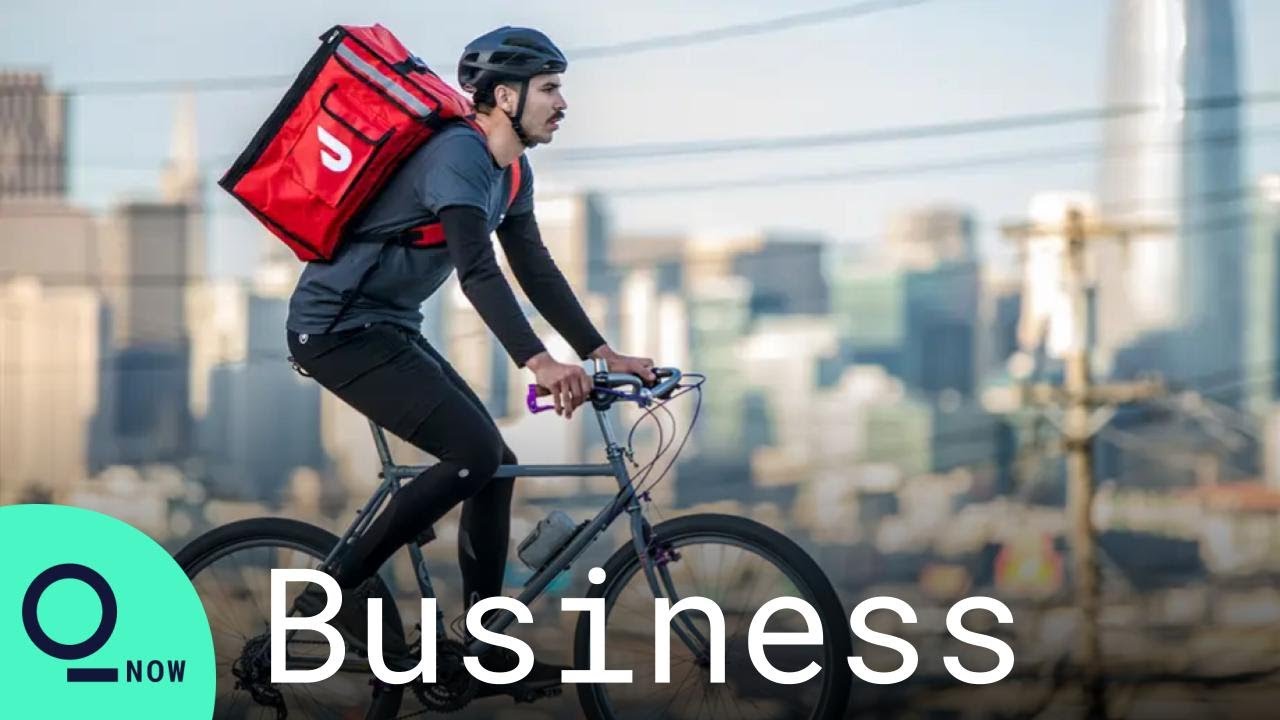
Uber Technologies Inc. raised prices for customers in California on Monday, and DoorDash Inc. will soon follow, adding fees to fund new driver perks granted by the state’s voters in last month’s election.
The cost to Uber customers will vary depending on the city and type of service, the company said. For example, each food delivery bill in Los Angeles increased by 99 cents. In San Francisco, it’s an additional $2. The surcharge for rides is 75 cents in Los Angeles and 30 cents in San Francisco. It goes as high as $1.50 in less populated areas.
The largest gig economy companies said they will begin offering workers a health care subsidy and other perks that were promised as part of their winning ballot measure, Proposition 22.
The companies, with the exception of Uber, were less forthcoming about how they would pay for the effort. DoorDash, the largest food delivery provider in the U.S., said it will make “slight percentage increases” to service fees on some customers’ orders starting Wednesday. A spokesman declined to elaborate. Spokespeople for Instacart Inc. and Lyft Inc. said they haven’t raised prices but declined to say whether that would change in the future.
Nicole Moore, a Lyft driver and labor organizer with Rideshare Drivers United, said voters were duped into supporting a policy that ended up costing them more without securing adequate working conditions for drivers. Gig companies have, she said, “written their own labor law, and through deceptive advertising, they were able to get the electorate to approve it. Now, both drivers and consumers are paying the price.”
The gig economy companies spent more than $200 million to ensure the passage of Prop 22, making it the most expensive ballot measure in state history. It overturned a California law designed to reclassify gig economy workers as employees with benefits, at a substantial cost to the companies. Uber and Lyft had threatened to temporarily shut down statewide and reconsider offering service in less populous locales if the measure failed. Uber had planned to only service the San Francisco Bay Area, Los Angeles, Orange County and San Diego, according to an internal Uber email seen by Bloomberg.
California voters overwhelmingly approved Prop 22. The measure creates a new, limited set of benefits, such as mileage reimbursement, occupational insurance, minimum earnings while conducting a gig and the health stipend for those who work at least 15 hours a week.
Executives at Lyft and Uber have said the initiative in California could serve as a blueprint for labor battles across the country. Last month, the companies started a national advocacy group, App-Based Work Alliance, which is expected to take a lead role next year as Illinois, Massachusetts, New York and Washington examine employment rights.
Subscribe to our YouTube channel
Bloomberg Quicktake brings you live global news and original shows spanning business, technology, politics and culture. Make sense of the stories changing your business and your world.
To watch complete coverage on Bloomberg Quicktake 24/7, visit or watch on Apple TV, Roku, Samsung Smart TV, Fire TV and Android TV on the Bloomberg app.
Have a story to tell? Fill out this survey for a chance to have it featured on Bloomberg Quicktake
Connect with us on…
Breaking News on YouTube
Sentinel Indexing in Progress
Metadata and chapters are available. Claim extraction for this episode is pending.
All video content is delivered via YouTube embedded players in accordance with the YouTube Terms of Service. Sentinel provides research tools that promote discovery and accountability across political media.