Bloomberg News
@Bloomberg-News·2.8M subscribers·40.1K videos
Strained U.S. Health Agencies Urge Do-It-Yourself Contact Tracing as Cases Soar
Posted
December 21, 2020
Views
244
Comments
1
Engagement
0.41%
December 21, 2020
244
1
0.41%
Every word spoken in this episode is indexed. Type any phrase to jump straight to the moment it was said.
Type any word or phrase that may have been spoken. Click a result to seek the player to that exact moment.
Try a name, a topic, or a quoted line
 5:13Now Playing
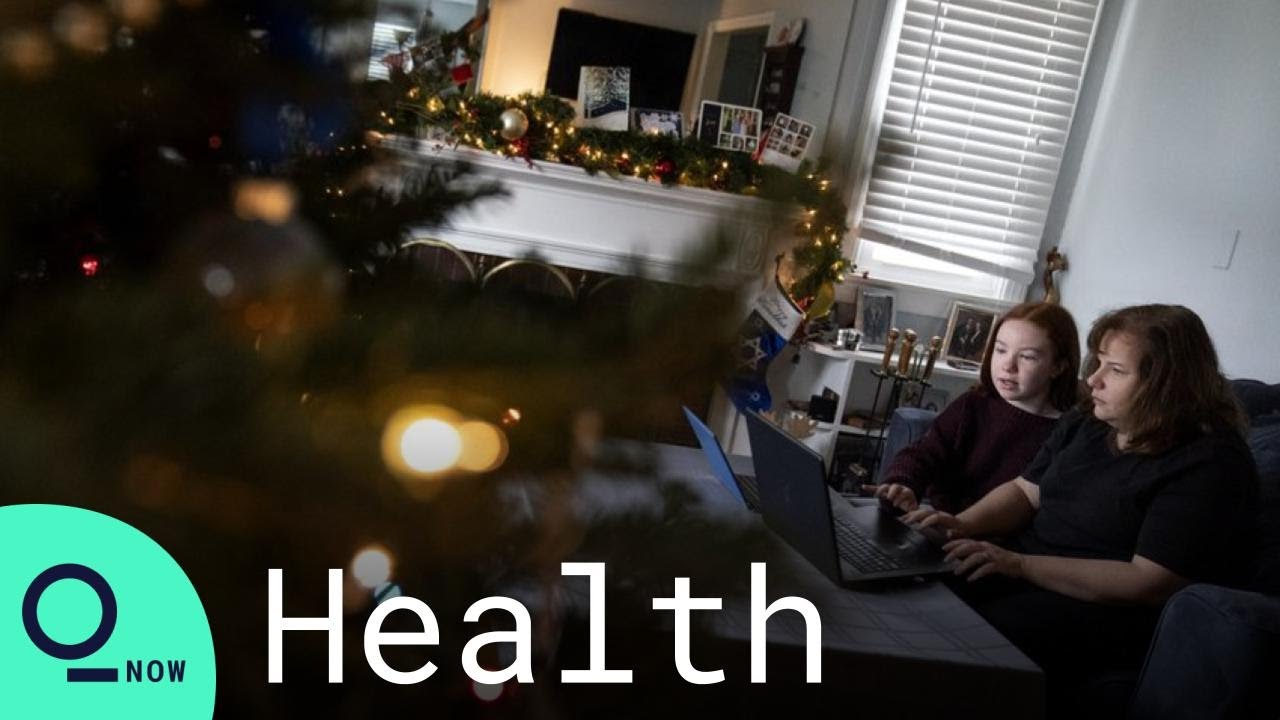
Across the U.S., state and local health departments are asking people who test positive to warn friends, family and co-workers themselves because a catastrophic surge in infections has made it difficult or impossible to keep up with the calls considered critical to controlling outbreaks.
Health officials say do-it-yourself tracing is not ideal, but as infections and hospitalizations soar, it’s likely the most effective way to reach people who may be at risk.
Over 16.5 million people in the U.S. have been infected and more than 300,000 have died, and officials fear transmission will only get worse as people gather for the holidays.
Some health departments aren’t being informed of infections for several days, making it impossible to call at least 75% of a person’s contacts within 24 hours of a positive test, which experts say is necessary to control outbreaks. What’s more, many people won’t pick up the phone or refuse to answer questions when tracers call. Sometimes, there are simply too many positive tests to call everyone.
“If you don’t have the bandwidth to keep up, then you have to make strategic decisions … and I think it’s a smart move,” Emily Gurley, an infectious disease epidemiologist at the Johns Hopkins Bloomberg School of Public Health, said of asking people to warn their own contacts.
North Dakota’s health department curtailed much of its contact tracing among the general public in October as the virus surged, limiting efforts to health care facilities, schools and universities, and workplaces. Tracers still call people who test positive, but no one outside their households, said Brenton Nesemeier, who manages COVID-19 case managers and field epidemiologists.
“We realized that we needed to prioritize positive cases because they were … the ones who were potentially out in the community, and they’re the ones with the most questions,” Nesemeier said.
“In turn, they’re able to reach their contacts faster than we are because (people) will more likely answer a phone call from a friend,” he said.
Nesemeier said there is no way to know if people are following through, but when North Dakota was doing full-fledged contact tracing, those who were willing to share information about their contacts often had already told them anyway.
Pennelope Denson, a 19-year-old from Riverview, Michigan, near Detroit, said that when her boyfriend’s mother and brother got sick and tested positive about two months ago, she got tested and advised everyone she had been around to do the same.
It took nine days to find out she had contracted the virus, and two days after that, she got a call from a contact tracer at the Wayne County Health Department. The tracer took only her father’s information, Denson said, and told her to call anyone else she might have been around.
She said her boyfriend’s mother and brother never got a call from a tracer after they tested positive, “so nobody told me to quarantine, but I did it myself.”
In Cole County, Missouri, which includes the capital of Jefferson City, when someone is tested, they’re given a packet that includes information on reaching out to their own contacts if the results come back positive.
Now, there simply aren’t enough tracers to keep up.
Gurley, the Johns Hopkins epidemiologist, said that even if contact tracing programs are incomplete and slow, they are having an impact because many people need to know how to effectively isolate and where to get help with food, housing and rent.
“It could be a lot worse if we did not have these programs,” Gurley said. But she added that it could be much better if health departments had more resources.
“From the beginning, the conversation in public health has sort of been, ‘Here’s the resources we’re giving you, do the best you can.’ But they don’t have the bandwidth to keep up,” Gurley said.
“I think it’s a really frustrating, heartbreaking example of how we haven’t prioritized this, and one of the reasons we are in the place we are today,” she said.
Subscribe to our YouTube channel
Bloomberg Quicktake brings you live global news and original shows spanning business, technology, politics and culture. Make sense of the stories changing your business and your world.
To watch complete coverage on Bloomberg Quicktake 24/7, visit or watch on Apple TV, Roku, Samsung Smart TV, Fire TV and Android TV on the Bloomberg app.
Have a story to tell? Fill out this survey for a chance to have it featured on Bloomberg Quicktake
Connect with us on…
Breaking News on YouTube
Sentinel Indexing in Progress
Metadata and chapters are available. Claim extraction for this episode is pending.
All video content is delivered via YouTube embedded players in accordance with the YouTube Terms of Service. Sentinel provides research tools that promote discovery and accountability across political media.