Bloomberg News
@Bloomberg-News·2.8M subscribers·40.1K videos
2020 Is the Deadliest Year in U.S. History With More Than 3 Million Fatalities
Posted
December 22, 2020
Views
946
Likes
10
Comments
20
Engagement
December 22, 2020
946
10
20
3.17%
Every word spoken in this episode is indexed. Type any phrase to jump straight to the moment it was said.
Type any word or phrase that may have been spoken. Click a result to seek the player to that exact moment.
Try a name, a topic, or a quoted line
 0:58Now Playing
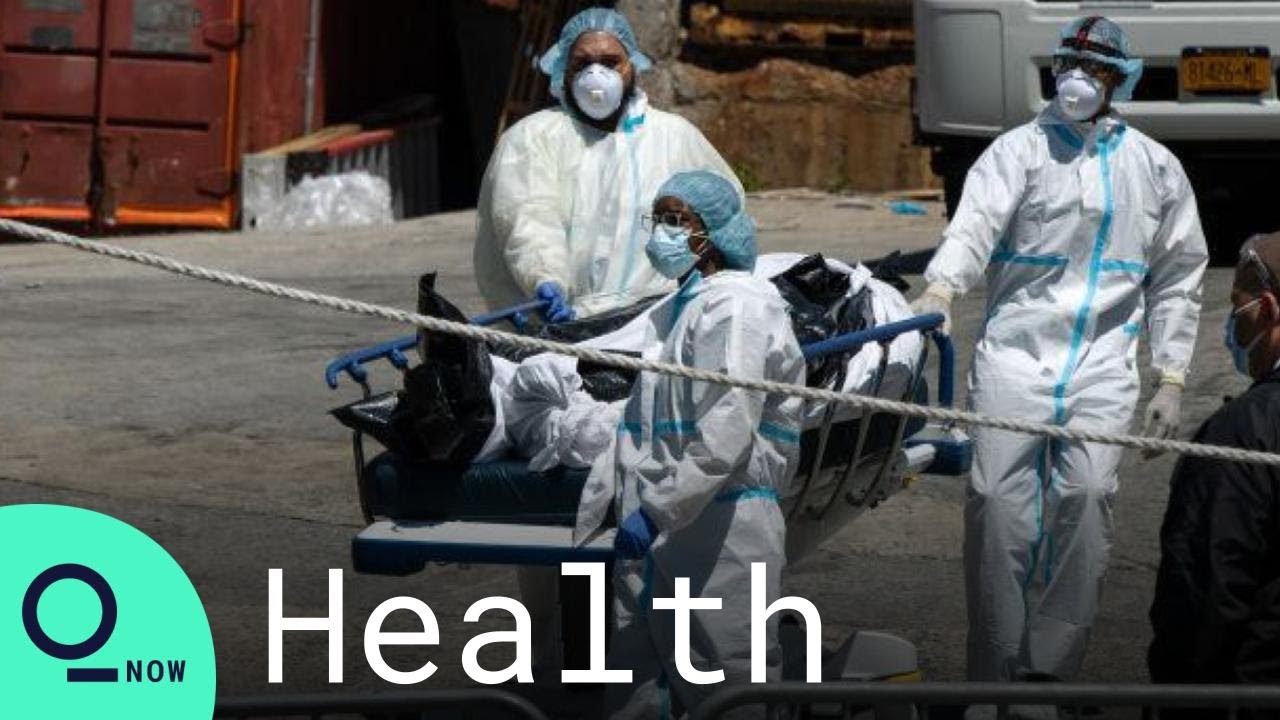
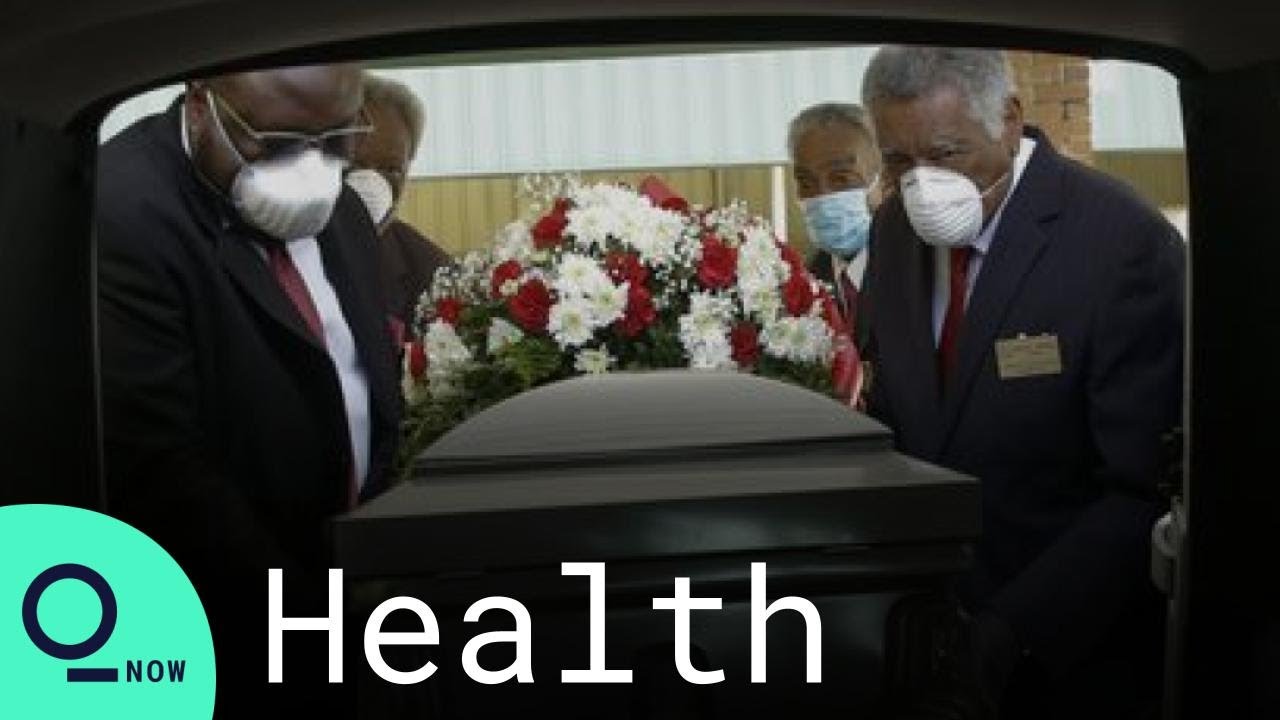
This is the deadliest year in U.S. history, with deaths expected to top 3 million for the first time — due mainly to the coronavirus pandemic.
Final mortality data for this year will not be available for months. But preliminary numbers suggest that the United States is on track to see more than 3.2 million deaths this year, or at least 400,000 more than in 2019.
U.S. deaths increase most years, so some annual rise in fatalities is expected. But the 2020 numbers amount to a jump of about 15%, and could go higher once all the deaths from this month are counted.
That would mark the largest single-year percentage leap since 1918, when tens of thousands of U.S. soldiers died in World War I and hundreds of thousands of Americans died in a flu pandemic. Deaths rose 46% that year, compared with 1917.
COVID-19 has killed more than 318,000 Americans and counting. Before it came along, there was reason to be hopeful about U.S. death trends.
The nation’s overall mortality rate fell a bit in 2019, due to reductions in heart disease and cancer deaths. And life expectancy inched up — by several weeks — for the second straight year, according to death certificate data released Tuesday by the Centers for Disease Control and Prevention.
But life expectancy for 2020 could end up dropping as much as three full years, said Robert Anderson of the Centers for Disease Control and Prevention.
The CDC counted 2,854,838 U.S. deaths last year, or nearly 16,000 more than 2018. That’s fairly good news: Deaths usually rise by about 20,000 to 50,000 each year, mainly due to the nation’s aging, and growing, population.
Indeed, the age-adjusted death rate dropped about 1% in 2019, and life expectancy rose by about six weeks to 78.8 years, the CDC reported.
“It was actually a pretty good year for mortality, as things go,” said Anderson, who oversees CDC death statistics.
The U.S. coronavirus epidemic has been a big driver of deaths this year, both directly and indirectly.
The virus was first identified in China last year, and the first U.S. cases were reported this year. But it has become the third leading cause of death, behind only heart disease and cancer. For certain periods this year, COVID-19 was the No. 1 killer.
But some other types of deaths also have increased.
A burst of pneumonia cases early this year may have been COVID-19 deaths that simply weren’t recognized as such early in the epidemic. But there also have been an unexpected number of deaths from certain types of heart and circulatory diseases, diabetes and dementia, Anderson said.
Many of those, too, may be related to COVID. The virus could have weakened patients already struggling with those conditions, or could have diminished the care they were getting, he said.
Early in the epidemic, some were optimistic that car crash deaths would drop as people stopped commuting or driving to social events. Data on that is not yet in, but anecdotal reports suggest there was no such decline.
Suicide deaths dropped in 2019 compared with 2018, but early information suggests they have not continued to drop this year, Anderson and others said.
Drug overdose deaths, meanwhile, got much worse.
Before the coronavirus even arrived, the U.S. was in the midst of the deadliest drug overdose epidemic in its history.
Data for all of 2020 is not yet available. But last week the CDC reported more than 81,000 drug overdose deaths in the 12 months ending in May, making it the highest number ever recorded in a one-year period.
Experts think the pandemic’s disruption to in-person treatment and recovery services may have been a factor. People also are more likely to be taking drugs alone — without the benefit of a friend or family member who can call 911 or administer overdose-reversing medication.
But perhaps a bigger factor are the drugs themselves: COVID-19 caused supply problems for dealers, so they are increasingly mixing cheap and deadly fentanyl into heroin, cocaine and methamphetamine, experts said.
Subscribe to our YouTube channel
Bloomberg Quicktake brings you live global news and original shows spanning business, technology, politics and culture. Make sense of the stories changing your business and your world.
To watch complete coverage on Bloomberg Quicktake 24/7, visit or watch on Apple TV, Roku, Samsung Smart TV, Fire TV and Android TV on the Bloomberg app.
Have a story to tell? Fill out this survey for a chance to have it featured on Bloomberg Quicktake
Connect with us on…
Breaking News on YouTube
Sentinel Indexing in Progress
Metadata and chapters are available. Claim extraction for this episode is pending.
All video content is delivered via YouTube embedded players in accordance with the YouTube Terms of Service. Sentinel provides research tools that promote discovery and accountability across political media.