Bloomberg News
@Bloomberg-News·2.8M subscribers·40.1K videos
U.K. NHS Gives World’s First Oxford-AstraZeneca Vaccine
Posted
January 4, 2021
Views
297
Likes
7
Comments
4
Engagement
3.70%
January 4, 2021
297
7
4
3.70%
Every word spoken in this episode is indexed. Type any phrase to jump straight to the moment it was said.
Type any word or phrase that may have been spoken. Click a result to seek the player to that exact moment.
Try a name, a topic, or a quoted line
 1:44Now Playing
Prime Minister Boris Johnson plans to outline tougher restrictions to slow the spread of COVID-19 on Monday, even as Britain ramped up its vaccination program by becoming the first nation to start using the shot developed by Oxford University and drugmaker AstraZeneca.
Johnson, who has said tougher measures are imminent, announced that he would address the nation at 8 p.m. (3 p.m. EST). The U.K. Parliament will be recalled from its holiday recess to sit on Wednesday. The prime minister’s office didn’t release any details of the new measures ahead of Johnson’s remarks.
The U.K. has seen a surge in coronavirus cases in recent weeks as public health officials struggle to control the spread of a new variant of COVID-19 that is more contagious than previous variants. Authorities have recorded more than 50,000 new infections a day since passing that milestone for the first time on Dec. 29. On Monday, they reported 407 virus-related deaths to push the confirmed death toll total to 75,431, one of the worst in Europe.
“If you look at the numbers, there’s no question we will have to take tougher measures and we will be announcing those in due course,” Johnson said while visiting some of the people receiving the Oxford-AstraZeneca vaccine at Chase Farm Hospital in north London.
Before Johnson could make his announcement, Scottish leader Nicola Sturgeon imposed a lockdown in her nation until the end of January.
Beginning Tuesday, people in Scotland will be required to stay at home except for essential reasons, to help ease the pressure on hospitals and intensive care units, Sturgeon said. Under the new rules, people can go out for exercise but can only meet one person from another household. Schools will remain closed until February, except for children of key workers and those in social care.
“I am more concerned about the situation we face now than I have been at any time since March last year,” Sturgeon said in Edinburgh.
Scotland, which controls its own health policy under the U.K.'s system of devolved government, has often imposed stricter coronavirus restrictions than those in England.
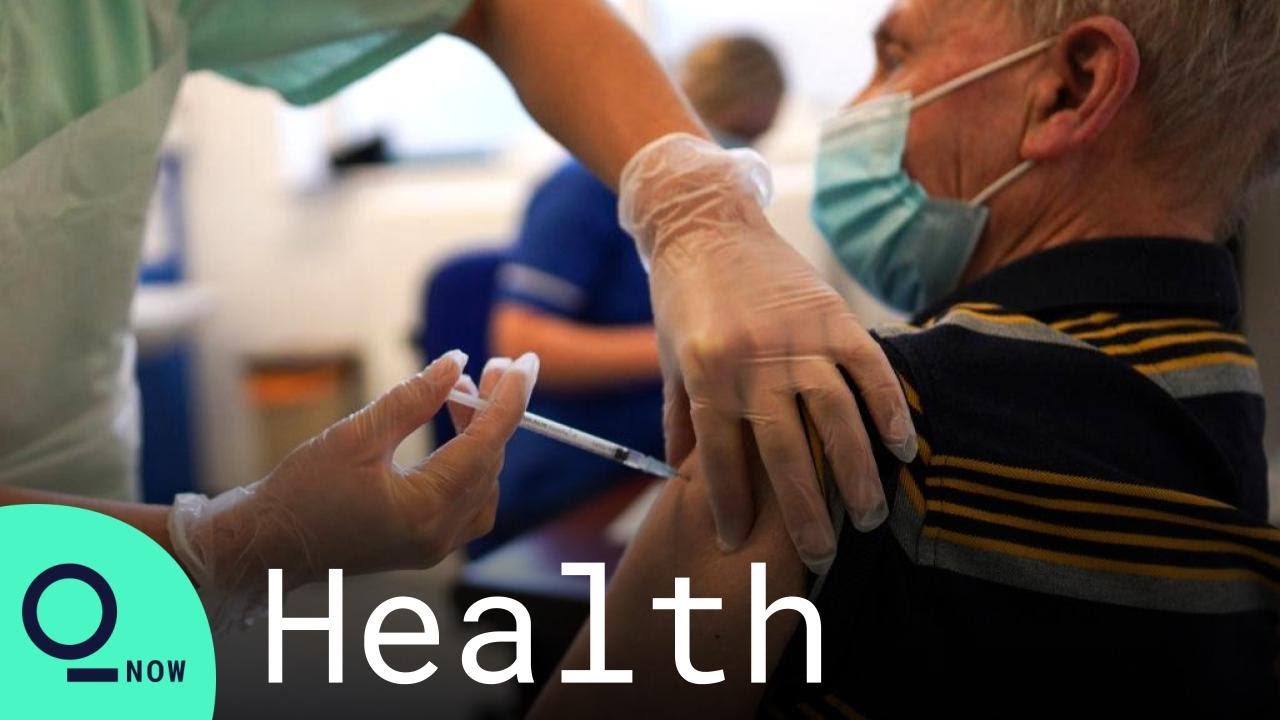
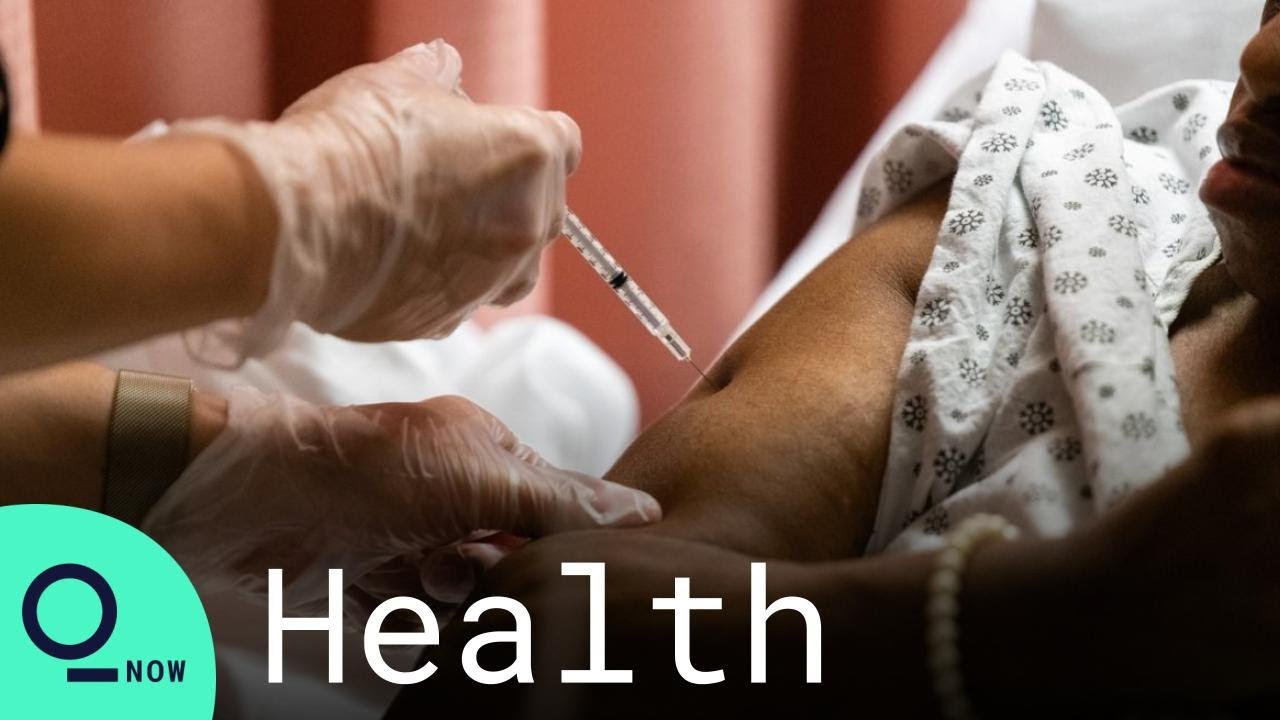
The announcements come on the day U.K. health authorities began putting the Oxford-AstraZeneca vaccine into arms around the country, fueling hopes that life may begin returning to normal by the spring.
Britain has secured the rights to 100 million doses of the Oxford-AstraZeneca vaccine, which is cheaper and easier to use than some of its rivals. In particular, it doesn’t require the super-cold storage needed for the Pfizer vaccine.
The new vaccine will be administered at a small number of hospitals for the first few days so authorities can watch out for any adverse reactions. But the NHS said hundreds of new vaccination sites — including local doctors’ offices — will open later this week, joining the more than 700 vaccination sites already in operation.
A “massive ramp-up operation” is now underway in the vaccination program, Johnson said.
But aspects of Britain’s vaccination plan have spurred controversy.
Both vaccines require two shots, and Pfizer had recommended that the second dose be given within 21 days of the first. But the U.K.’s Joint Committee on Vaccination and Immunization said authorities should give the first vaccine dose to as many people as possible, rather than setting aside shots to ensure others receive two doses. It has stretched out the time between the doses from 21 days to within 12 weeks.
While two doses are required to fully protect against COVID-19, both vaccines provide high levels of protection after the first dose, the committee said. Making the first dose the priority will “maximize benefits from the vaccination program in the short term,” it said.
Stephen Evans, a professor of pharmacoepidemiology at the London School of Hygiene & Tropical Medicine, said policymakers are being forced to balance the potential risks of this change against the benefits in the middle of a deadly pandemic.
Subscribe to our YouTube channel
Bloomberg Quicktake brings you live global news and original shows spanning business, technology, politics and culture. Make sense of the stories changing your business and your world.
To watch complete coverage on Bloomberg Quicktake 24/7, visit or watch on Apple TV, Roku, Samsung Smart TV, Fire TV and Android TV on the Bloomberg app.
Have a story to tell? Fill out this survey for a chance to have it featured on Bloomberg Quicktake
Connect with us on…
Breaking News on YouTube
Sentinel Indexing in Progress
Metadata and chapters are available. Claim extraction for this episode is pending.
All video content is delivered via YouTube embedded players in accordance with the YouTube Terms of Service. Sentinel provides research tools that promote discovery and accountability across political media.