Bloomberg News
@Bloomberg-News·2.8M subscribers·40.1K videos
Corporate America Quickly Distances Itself from Trump, GOP After Capitol Riots
Posted
January 12, 2021
Views
2,640
Likes
39
Comments
24
Engagement
January 12, 2021
2,640
39
24
2.39%
Every word spoken in this episode is indexed. Type any phrase to jump straight to the moment it was said.
Type any word or phrase that may have been spoken. Click a result to seek the player to that exact moment.
Try a name, a topic, or a quoted line
 1:22Now Playing
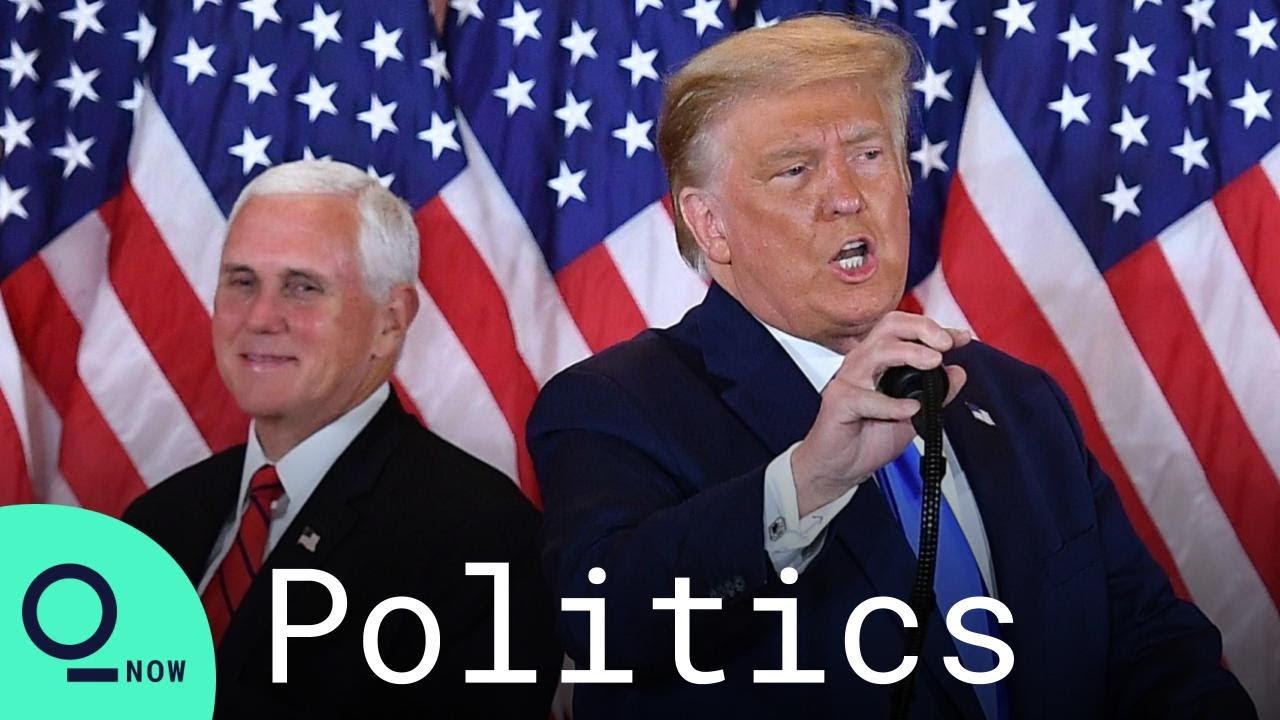
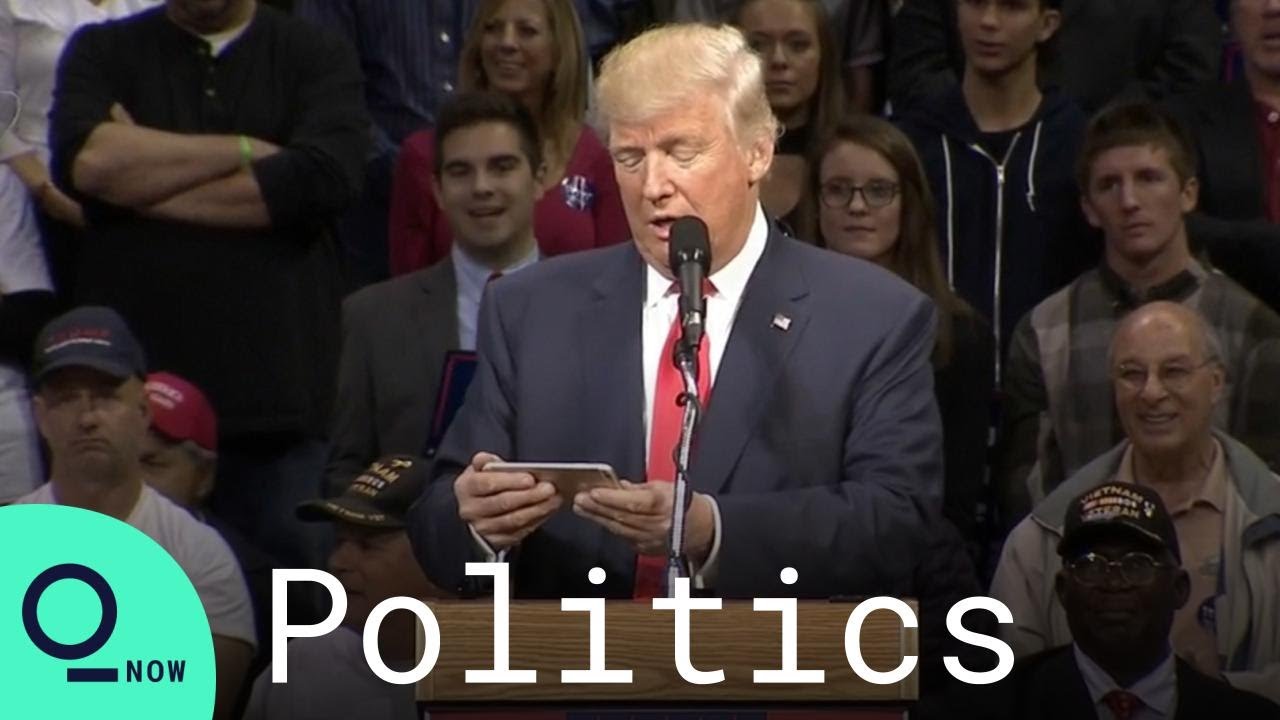
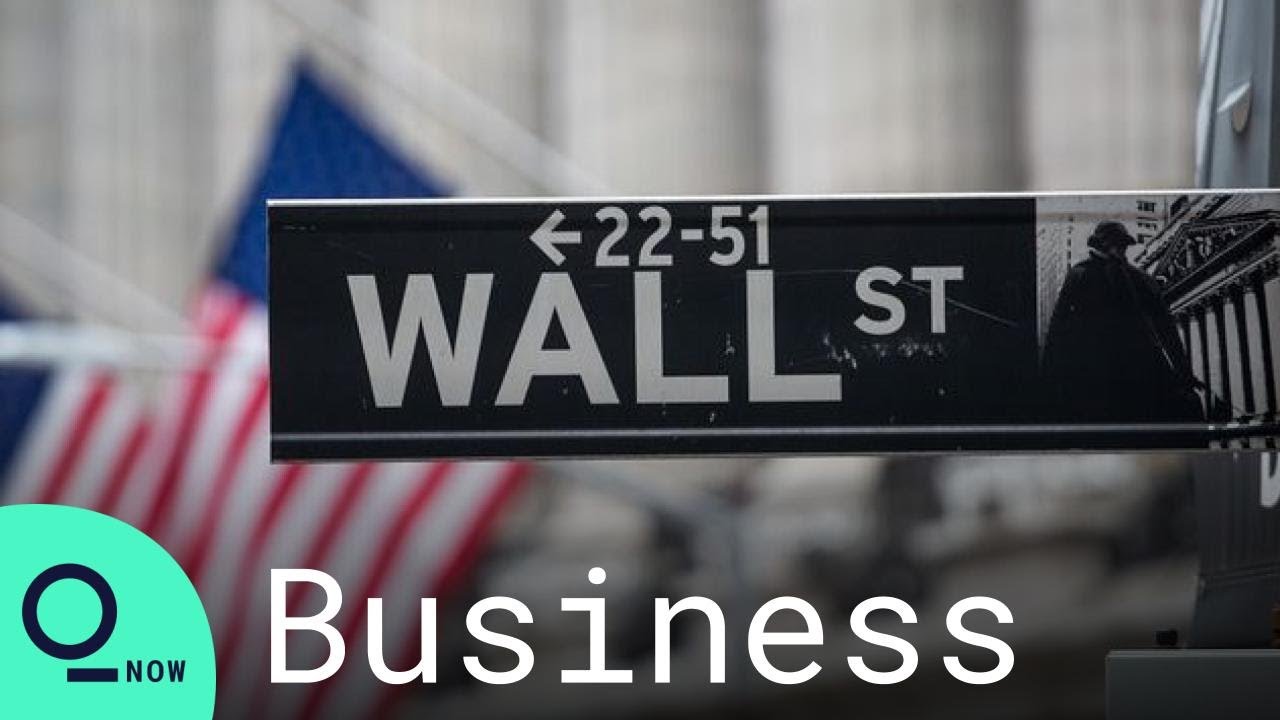
Corporate America is quickly distancing itself from President Donald Trump and his Republican allies, with many of the biggest names in business — Goldman Sachs, Coca-Cola, Ford and Comcast — suspending political donations after a Trump-inspired mob ransacked the U.S. Capitol in a deadly and violent spree last Wednesday.
For now, the move is about affirming the rule of law and the clear results of an election that will elevate Democrat Joe Biden to the presidency. But it also signals that companies are growing skittish about lawmakers who backed Trump’s false claims of election fraud, possibly depriving Republicans of public backing from business groups who until recently were the heart of the GOP’s political brand.
“This is spreading like wildfire,” said Jeffrey Sonnenfeld, a professor at Yale University’s management school who consults with CEOs. “The U.S. business community has interests fully in alignment with the American public and not with Trump’s autocratic bigoted wing of the GOP.”
Yet the pausing of donations announced by many companies — including Marriott, American Express, AT&T, JPMorgan Chase, Dow, American Airlines and others — was unlikely to deliver a serious blow to Republicans in Congress who voted to overturn Biden’s win.
“These are symbolic pledges,” said Sheila Krumholz, executive director of the Center for Responsive Politics, a nonpartisan group that traces the role money plays in politics. “This is just one source of revenue and for some it’s vanishingly small, particularly in the Senate.”
Corporate-sponsored political action committees are limited to donating $5,000 per candidate each year. In races that often cost incumbents millions of dollars, such contributions account for just a small fraction of the overall fundraising picture.
Take Sen. Josh Hawley. The Missouri Republican has drawn widespread scorn, including from longtime supporters and Senate Republican leadership, for becoming the first senator to announce he would oppose the certification of Biden’s victory.
Since 2017, when he launched his Senate bid, only about $754,000 of the $11.8 million he raised came from corporate PACs and trade groups. That accounts for about 15% of his total fundraising haul, according to an analysis of campaign finance disclosures.
What’s more, Hawley wasn’t the biggest spender in his race. Outside conservative groups, including those affiliated with Republican leadership, were the ones who dropped the lion’s share of money that helped him oust former Democratic Sen. Claire McCaskill. Such groups are largely insulated from the corporate donation pause.
Subscribe to our YouTube channel
Bloomberg Quicktake brings you live global news and original shows spanning business, technology, politics and culture. Make sense of the stories changing your business and your world.
To watch complete coverage on Bloomberg Quicktake 24/7, visit or watch on Apple TV, Roku, Samsung Smart TV, Fire TV and Android TV on the Bloomberg app.
Have a story to tell? Fill out this survey for a chance to have it featured on Bloomberg Quicktake
Connect with us on…
Breaking News on YouTube
Sentinel Indexing in Progress
Metadata and chapters are available. Claim extraction for this episode is pending.
All video content is delivered via YouTube embedded players in accordance with the YouTube Terms of Service. Sentinel provides research tools that promote discovery and accountability across political media.