Bloomberg News
@Bloomberg-News·2.8M subscribers·40.1K videos
Social Media Should Ban the Most Extreme Political Discourse: Opinion
Posted
January 12, 2021
Views
941
Likes
18
Comments
11
Engagement
January 12, 2021
941
18
11
3.08%
Every word spoken in this episode is indexed. Type any phrase to jump straight to the moment it was said.
Type any word or phrase that may have been spoken. Click a result to seek the player to that exact moment.
Try a name, a topic, or a quoted line
 6:19Now Playing
Facebook Inc. has long defended its lackadaisical approach to misinformation by saying that if it imposed stricter conditions, such content would proliferate elsewhere anyway. Far better to monitor conversation itself … or something.
But pushing false information and incitement to violence to the darker recesses of the web would be better.
Facebook’s line of reasoning has long seemed disingenuous, not least because of how many people turn to the social media giant. It has 2.5 billion monthly users across its platforms, which include Instagram and WhatsApp. Alongside Alphabet Inc.’s YouTube, these properties represent the greatest agglomeration of eyeballs that the world has ever known. Where else can misinformation find such a massive audience?
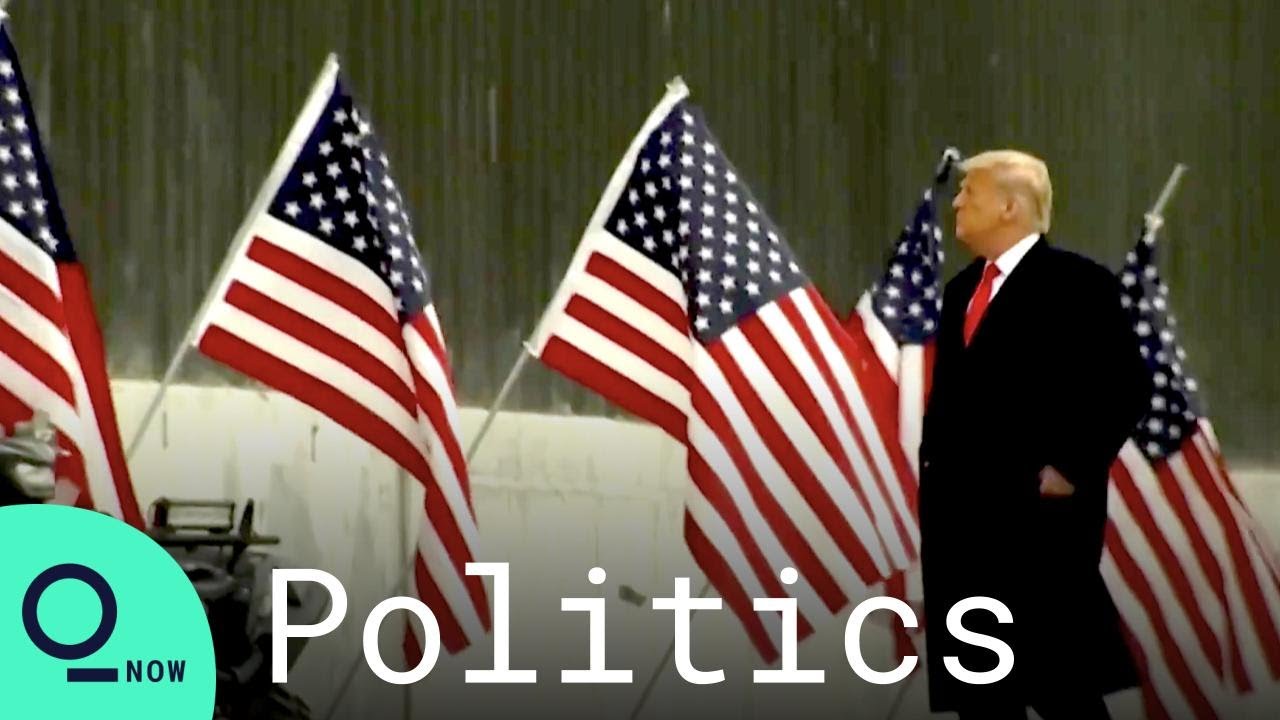
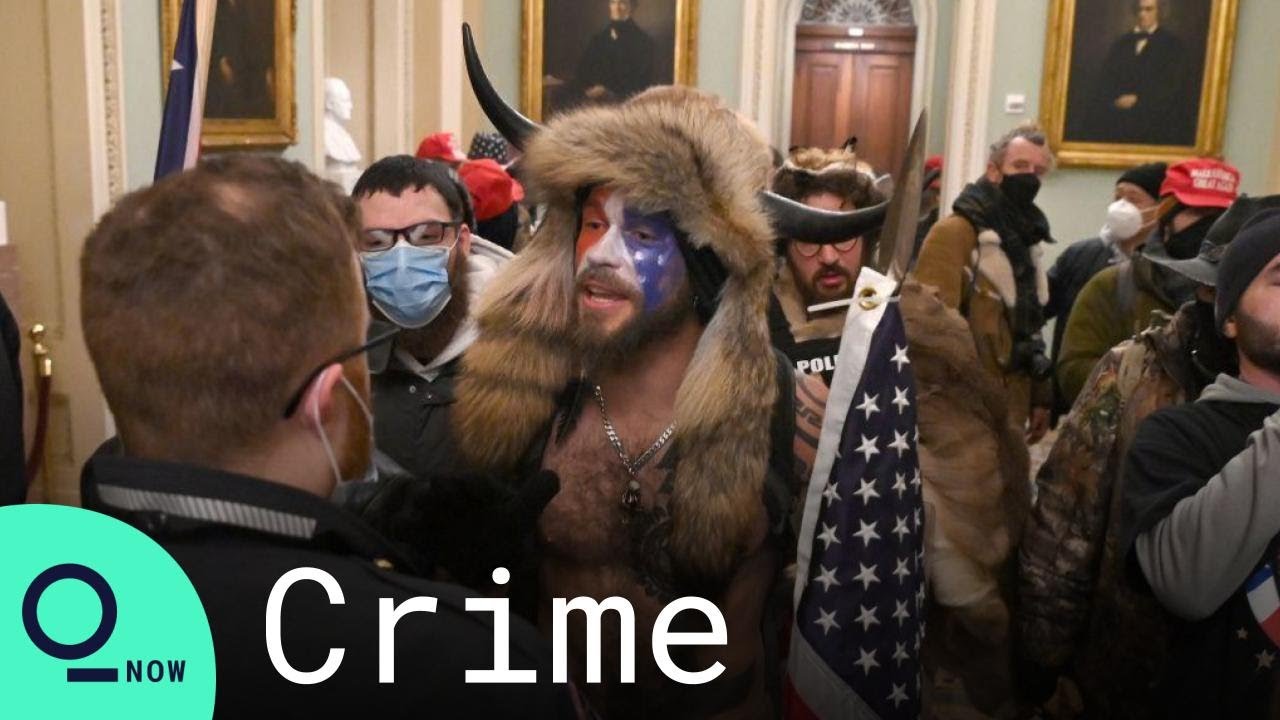
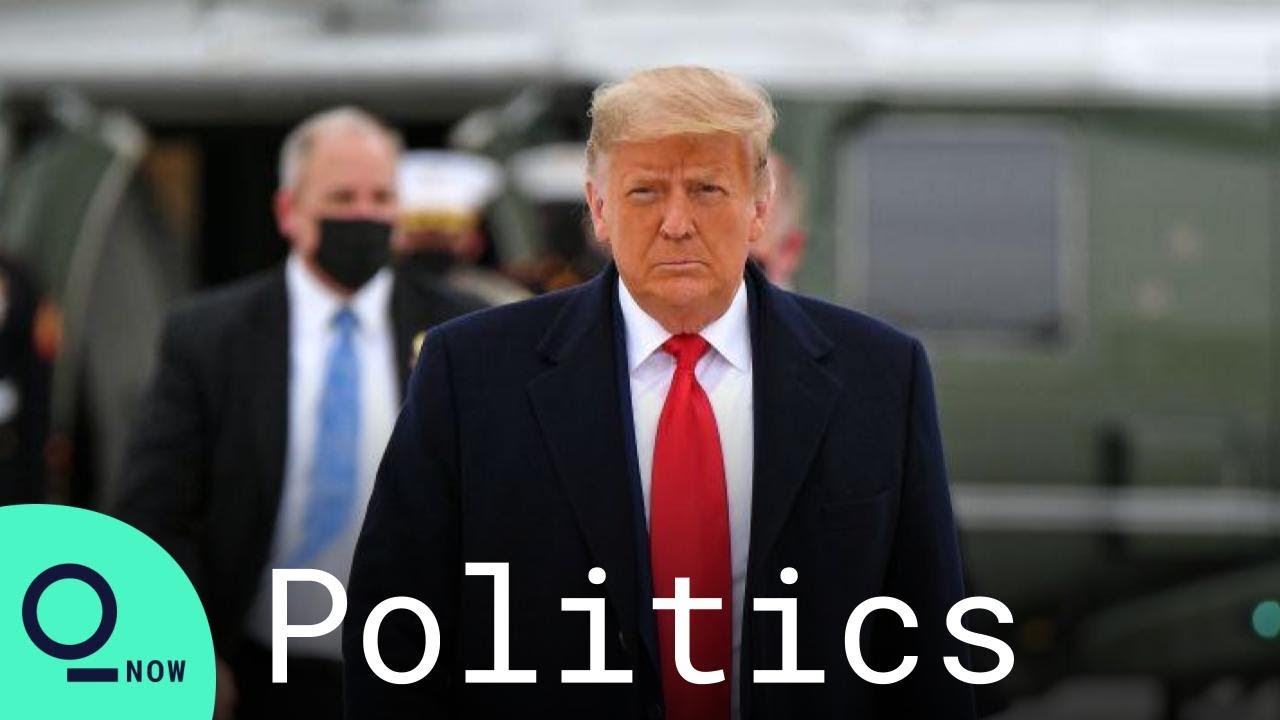
Facebook’s banning of Donald Trump, alongside a similar decision by Twitter Inc., means we might now find out. The first alternative for many was Parler, a social media app that boasts of being a bastion of free speech and is backed by the billionaire Mercer family. But such free speech came at a cost: Its failure to moderate content organizing the violence at the Capitol last week prompted Amazon.com Inc. to suspend Parler’s use of its web-hosting services, while Apple Inc. and Google removed its app from their mobile stores. Trump has since said he may build his own social network as Parler scrambles to get back on its feet.
Whatever happens to Parler, forcing the most outlandish strands of political discourse off the mainstream platforms would be a good thing. To boost user engagement, social media companies tend to reward provocative content with greater exposure while also deploying algorithms that personalize user feeds. That produces engines that incubate and accentuate radicalization, which can have the effect of turning moderates into radicals.
Facebook is now taking down all mentions of “stop the steal,” the slogan used by U.S. election conspiracy theorists, while Twitter has banned more than 70,000 QAnon accounts.
If QAnon, electoral fraud conspiracists and flat-earthers are encouraged to move elsewhere — to Parler, for instance, or Gab, a site reportedly frequented by white supremacists — then it might reduce the number of people sucked out of the mainstream and into their conspiratorial vortexes. Web users would have to actively seek out Covid-19 or anti-vaccination misinformation, rather than happening across it organically on their Facebook or YouTube feeds.
Such an approach would not, of course, end online radicalization, according to Dipayan Ghosh, author of “Terms of Disservice: How Silicon Valley Is Destructive by Design.” Indeed, it could even push those already inside the bubble into an even greater frenzy. But “it’s the right thing to do because it removes extremist views from the mainstream,” he said.
The main platforms needn’t worry about getting overtaken. For all of Facebook Chief Executive Officer Mark Zuckerberg’s assertions that competition in social media is fierce, the advertising giant continues to grow user numbers, revenue and profit. Its lead is not easily surmountable. Parler’s peak daily active user count was just 3.4 million globally, back in November, and it had only 1.6 million daily users last week, according to app analytics firm Apptopia. That’s 0.09% of the 1.8 billion people who log into a Facebook service every day.
Rivals will only start to threaten the dominance of Facebook and YouTube if they’re able to build sustainable business models. That means securing advertising dollars, which is not straightforward given that brands are less likely to want to blazon ads alongside troublesome content.
Subscribe to our YouTube channel
Bloomberg Quicktake brings you live global news and original shows spanning business, technology, politics and culture. Make sense of the stories changing your business and your world.
To watch complete coverage on Bloomberg Quicktake 24/7, visit or watch on Apple TV, Roku, Samsung Smart TV, Fire TV and Android TV on the Bloomberg app.
Have a story to tell? Fill out this survey for a chance to have it featured on Bloomberg Quicktake
Connect with us on…
Breaking News on YouTube
Sentinel Indexing in Progress
Metadata and chapters are available. Claim extraction for this episode is pending.
All video content is delivered via YouTube embedded players in accordance with the YouTube Terms of Service. Sentinel provides research tools that promote discovery and accountability across political media.