Bloomberg News
@Bloomberg-News·2.8M subscribers·40.1K videos
Biden Team Pledges Aggressive Steps to Address Chip Shortage
Posted
February 12, 2021
Views
1,063
Likes
21
Comments
4
Engagement
February 12, 2021
1,063
21
4
2.35%
Every word spoken in this episode is indexed. Type any phrase to jump straight to the moment it was said.
Type any word or phrase that may have been spoken. Click a result to seek the player to that exact moment.
Try a name, a topic, or a quoted line
 0:58Now Playing
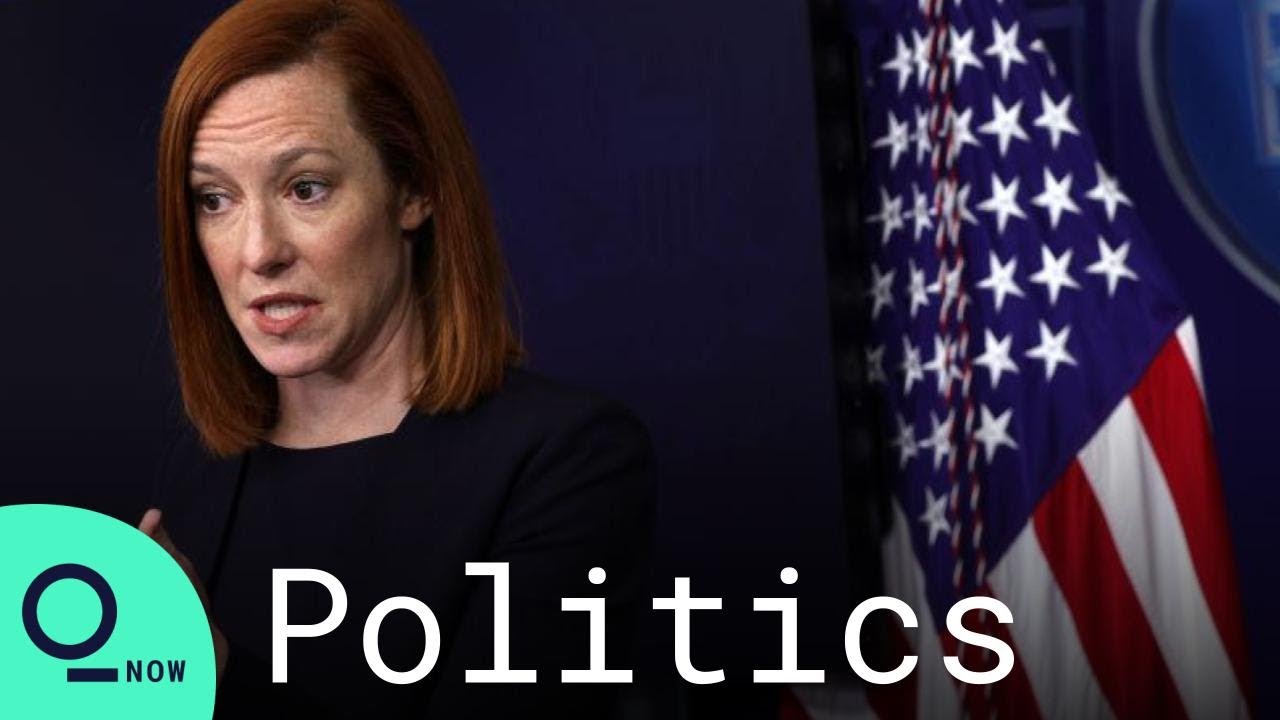
The Biden administration is working to address the global semiconductor shortage that has caused production halts in U.S. industries including autos, White House Press Secretary Jen Psaki said.
The administration is identifying choke points in supply chains and discussing an immediate path forward with businesses and trading partners, Psaki told reporters at the White House on Thursday. In the longer term, policy makers are looking for a comprehensive strategy to avoid bottlenecks and other issues the semiconductor industry has been facing for years.
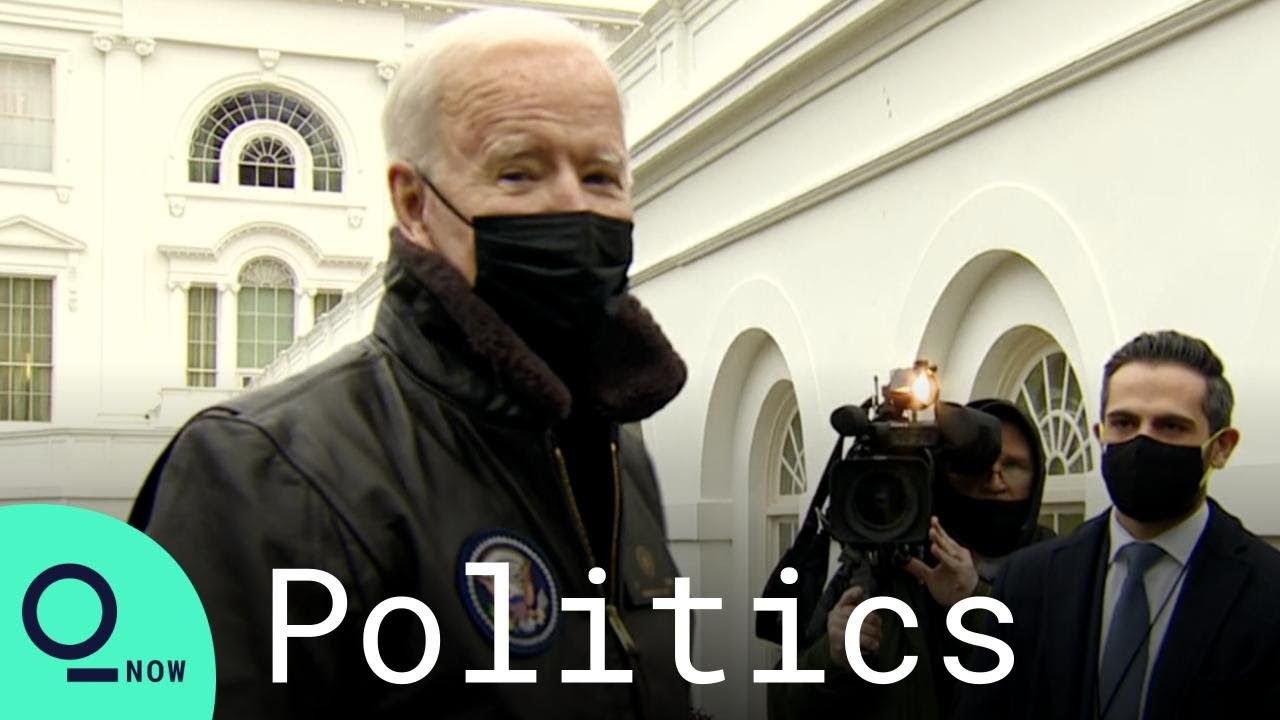
President Joe Biden is expected to sign an executive order directing a government-wide supply chain review for critical goods in the coming weeks, with the chip shortage a central concern behind the probe.
The order will compel a 100-day review led by the National Economic Council and National Security Council focused on semiconductor manufacturing and advanced packaging, critical minerals, medical supplies and high-capacity batteries, such as those used in electric vehicles, two people familiar with the draft said.
Additional supply-chain assessments are expected within a year, focused on critical products -- materials, technology and infrastructure -- and other materials tied to defense, public health, telecommunications, energy and transportation.
On Thursday, chief executive officers of chip companies including Intel Corp., Qualcomm Inc. and Advanced Micro Devices Inc. wrote the president, urging him to support domestic production and stop the country from losing its edge in innovation.
The executives, who sit on the board of the Semiconductor Industry Association, asked Biden to include “substantial funding for incentives for semiconductor manufacturing, in the form of grants and/or tax credits” in his recovery and infrastructure plans.
The letter, signed by 21 CEOs including Bob Swan of Intel, Steve Mollenkopf of Qualcomm and Lisa Su of AMD highlighted that the country’s global share of chip manufacturing has dropped to 12% from 37% in 1990.
U.S. companies mostly outsource production to Taiwan Semiconductor Manufacturing Co. and South Korea’s Samsung Electronics Co. That’s becoming a national security issue as tensions rise between the U.S. and China, which is investing heavily to expand its own chip industry.
The United Auto Workers union said in a statement that it’s seeking to address the shortfall of chips in the auto industry in concert with the Biden administration, Congress, suppliers and automakers, including General Motors Co., which announced this week it is extending temporary shutdowns at three assembly plants.
The union said the shortfall shows the need for an increase in domestic production of crucial parts.
“While we are searching for short-time solutions to this immediate problem, we also call on the Biden administration and Congress to develop trade and policy solutions that ensure that advanced technology that has been offshored is brought back and produced by UAW workers here in the U.S.,” the union said.
Subscribe to our YouTube channel
Bloomberg Quicktake brings you live global news and original shows spanning business, technology, politics and culture. Make sense of the stories changing your business and your world.
To watch complete coverage on Bloomberg Quicktake 24/7, visit or watch on Apple TV, Roku, Samsung Smart TV, Fire TV and Android TV on the Bloomberg app.
Have a story to tell? Fill out this survey for a chance to have it featured on Bloomberg Quicktake
Connect with us on…
Breaking News on YouTube
Sentinel Indexing in Progress
Metadata and chapters are available. Claim extraction for this episode is pending.
All video content is delivered via YouTube embedded players in accordance with the YouTube Terms of Service. Sentinel provides research tools that promote discovery and accountability across political media.