Bloomberg News
@Bloomberg-News·2.8M subscribers·40.1K videos
In Texas’s Black-Swan Blackout, Everything Went Wrong at Once
Posted
February 17, 2021
Views
4,399
Likes
35
Comments
19
Engagement
February 17, 2021
4,399
35
19
1.23%
Every word spoken in this episode is indexed. Type any phrase to jump straight to the moment it was said.
Type any word or phrase that may have been spoken. Click a result to seek the player to that exact moment.
Try a name, a topic, or a quoted line
 5:55Now Playing
The finger-pointing began immediately: It was the frozen wind turbines that foolishly replaced traditional sources. No, fossil fuels were at fault. No, Texas’s deregulated power market, unique in the country, had allowed companies to skimp on maintenance and upgrades.
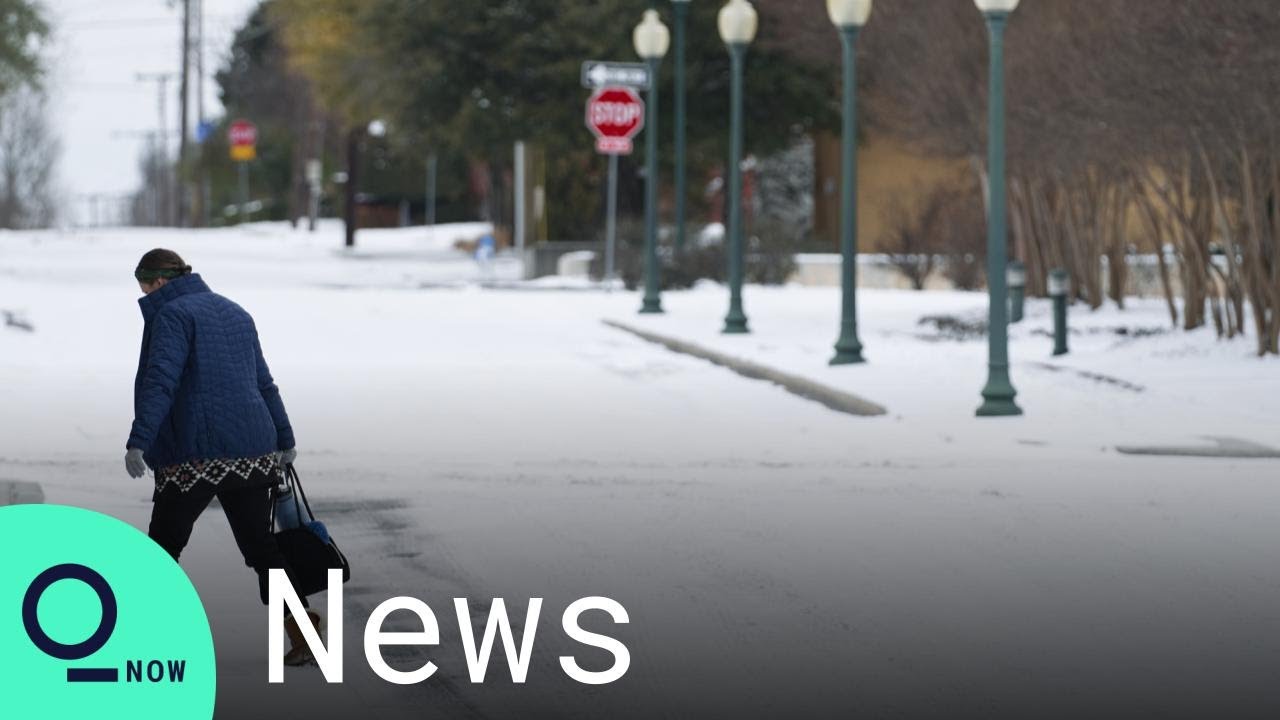
As the hours ticked by and millions more were plunged into frozen darkness, a more sober reality emerged. The greatest forced blackout in U.S. history, as this event has almost certainly become, was the result of a systemic and multifaceted failure. There are no promises of when power will be restored and little likelihood that the episode won’t be repeated in a corner of the country hard hit by climate change.
“This feels like a technical design failure,” said Michael Webber, who founded the Webber Energy Group at the University of Texas at Austin and serves as chief science and technology officer at French utility Engie.
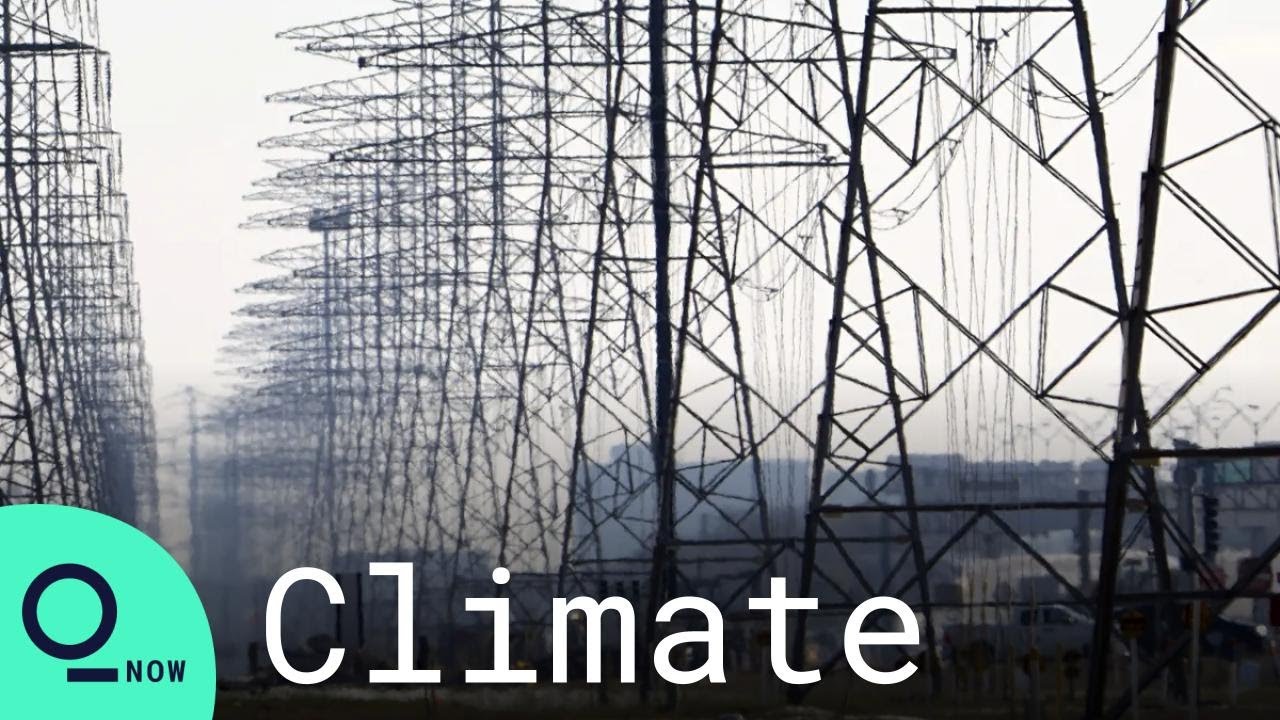
Power plants weren’t fully weatherized, wiping out generation capacity. The ones that were still standing struggled to get enough fuel, with shale wells experiencing so-called freeze-offs. Many wind turbines stopped spinning. Texas, with a grid notoriously isolated from the rest of the U.S., was unable to call on neighboring states for help.
Still, as the pressure dropped last week and frigid air descended from the north, some saw what was coming and felt like they were witnessing a train crash. They lay part of the blame on Ercot, the Electric Reliability Council of Texas, which manages the flow of power to consumers and says the extreme nature of the weather made it hard to be ready.
“We were woefully unprepared for this kind of cold,” said Texas State Representative Ron Reynolds, whose own house is without power. “They got caught with their pants down and now millions of Texans have no power. This is a matter of life and death.”
Ercot officials couldn’t say when power would be restored. “I know it’s frustrating we can’t offer a time certain, but it’s a process we’re engaged in to get the grid back in balance,” Ercot chief executive officer Bill Magness said during a news conference Tuesday.
Adam Sinn, owner of Aspire Commodities LLC, a power and gas trader, was one of those wondering why so little was being done. He said that a week ago, when the seven-day outlook hit, Ercot’s own projections showed too little supply to meet soaring demand.
“We were looking at this week thinking, they are going to have to cut 10,000 megawatts of consumers,” he said. “I really think Ercot is to blame on this one.” He said there were spare megawatts that weren’t brought online. For example, Vistra Corp., a large generator, had 4,000 megawatts off line for maintenance in four plants that could have been turned on quickly, he said, citing data from Genscape Inc.
Sinn said either Ercot failed to order the megawatts back on or was told no, which should have generated publicity so residents could prepare.
Ercot and Genscape didn’t respond to requests for comment. Vistra declined to comment.
If Ercot knew what was in store, it wasn’t apparent in its messaging to Texans. Over the weekend, recommendations from its official Twitter account included closing the blinds and unplugging unused kitchen gadgets. “Laundry on Valentine’s Day?” it said in another post. “No.”
On Tuesday, Dan Woodfin, a senior director for Ercot, attributed the main factors to frozen instruments at natural gas, coal and nuclear plants. He and other Ercot officials said they believed generators had prepared better for such cold.
Ercot’s authority is somewhat limited. In 2011, the last time freezing weather caused rolling outages, it released best practices for power generators to follow, but it couldn’t require anything, said Adrian Shelley, Texas office director of Public Citizen, an advocacy group.
Federal energy regulators also issued a 357-page report that recommended generators winterize their equipment, including insulating pipes.
“The financial incentive isn’t there to harden that infrastructure,” he added. “From a generator perspective, the only incentive is to bring energy to market as cheaply as possible.”
Subscribe to our YouTube channel
Bloomberg Quicktake brings you live global news and original shows spanning business, technology, politics and culture. Make sense of the stories changing your business and your world.
To watch complete coverage on Bloomberg Quicktake 24/7, visit or watch on Apple TV, Roku, Samsung Smart TV, Fire TV and Android TV on the Bloomberg app.
Have a story to tell? Fill out this survey for a chance to have it featured on Bloomberg Quicktake
Connect with us on…
Breaking News on YouTube
Sentinel Indexing in Progress
Metadata and chapters are available. Claim extraction for this episode is pending.
All video content is delivered via YouTube embedded players in accordance with the YouTube Terms of Service. Sentinel provides research tools that promote discovery and accountability across political media.