Bloomberg News
@Bloomberg-News·2.8M subscribers·40.1K videos
'Touchdown Confirmed!' NASA Mars 2020 Perseverance Rover Lands on the Red Planet
Posted
February 18, 2021
Views
10,974
Likes
327
Comments
120
Engagement
February 18, 2021
10,974
327
120
4.07%
Every word spoken in this episode is indexed. Type any phrase to jump straight to the moment it was said.
Type any word or phrase that may have been spoken. Click a result to seek the player to that exact moment.
Try a name, a topic, or a quoted line
 0:57Now Playing
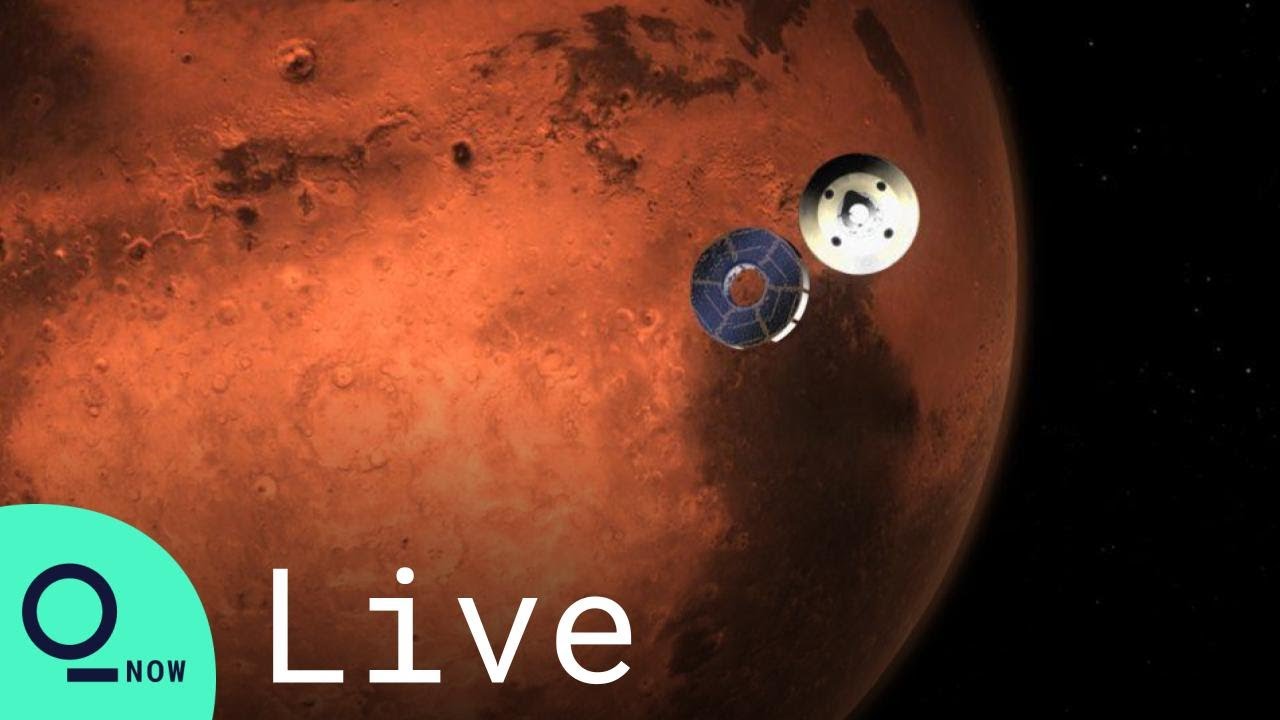
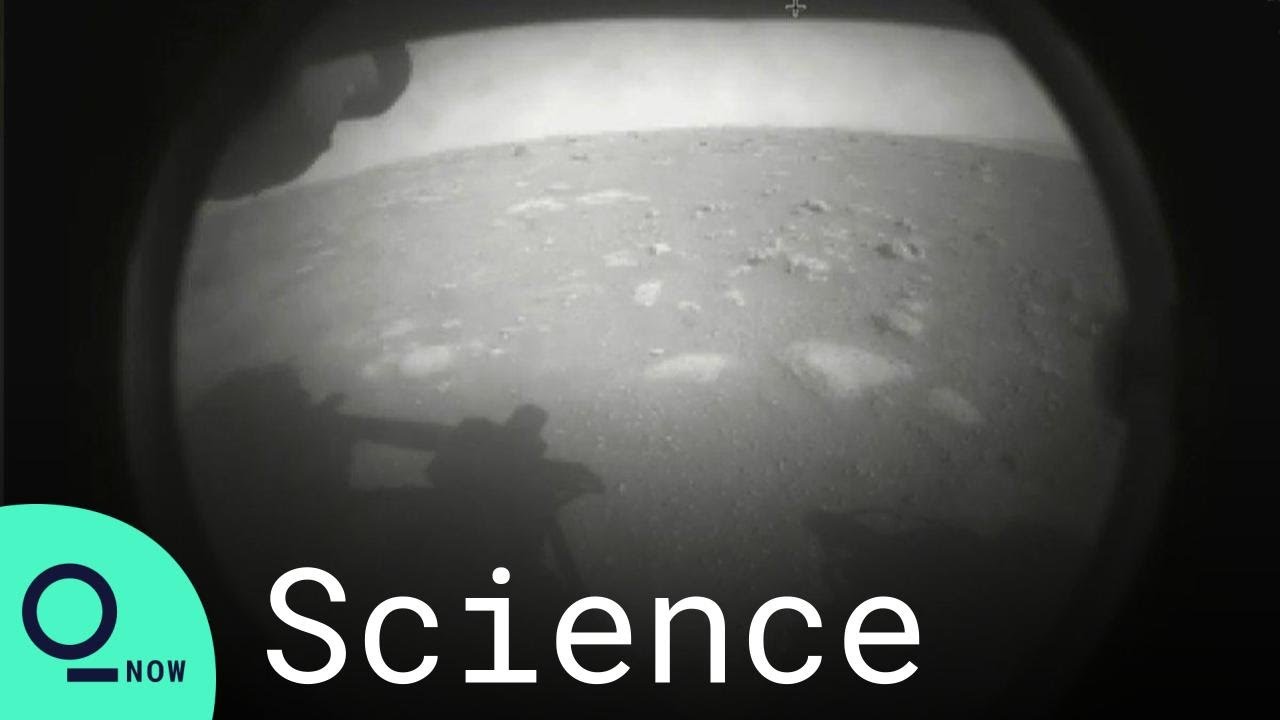
NASA successfully landed its largest and most sophisticated science rover on Mars, as the spacecraft Perseverance touched down in an ancient river delta that may contain signs of whether the planet ever harbored microbial life.
Cheers erupted at NASA’s Jet Propulsion Laboratory in Pasadena, California, which oversees the agency’s rover fleet, when flight controllers received a signal Thursday at 3:55 p.m. Eastern that the rover had touched down. Perseverance had traveled 292 million miles (470 million kilometers) since launching July 30 from Cape Canaveral, Florida.
Mars landings are among the toughest challenges in space exploration, and Perseverance’s arrival in Jezero Crater was the trickiest NASA has ever attempted. Strewn by boulders and featuring sand dunes and cliffs as high as 300 feet (about 90 meters), the 28-mile-wide (45 kilometers) crater had been rejected for previous missions. NASA targeted it after advances in terrain-navigation technology enabled the craft to alter its flight path autonomously.
The $2.7 billion rover also carries a drone helicopter known as Ingenuity with 4-foot rotors, which will be the first craft to attempt to fly on another planet. A successful landing would mean the aircraft could fly as soon as next month, depending on how scientists assess different locations for a flight.
This is the fifth time since 1997 that the National Aeronautics and Space Administration has attempted a landing on the Martian surface, a daunting task of physics and engineering that comes with a dismal record: More than half of previous efforts have failed in 50 years of attempts. The former Soviet Union is the only other country that has successfully placed a spacecraft on Mars.
“This is one of the most difficult maneuvers we make in the space business,” Matt Wallace, deputy project manager of NASA’s Mars 2020 mission, told reporters on Wednesday.
Hitting the Martian atmosphere at 12,000 miles per hour, the spacecraft will have to rapidly decelerate to land at about 2 mph, during what rocket scientists call “seven minutes of terror.” Wallace likened the intricate process to “a controlled disassembly” of the craft to safely disgorge the rover onto the surface.
Perseverance joins two other NASA missions exploring Mars. The Curiosity rover arrived in mid-2012, and the stationary InSight lander began exploring the planet’s geology in November 2018.
The 10-foot long Perseverance has nearly the same dimensions as Curiosity, but weighs 278 pounds (126 kilograms) more because of a roughly 50% increase in science payload. Perseverance’s total weight is about 2,260 pounds, and the rover is expected to operate for at least two years.
Among the vehicle’s new features: more cameras and a microphone to record the sounds of descent and landing.
Subscribe to our YouTube channel
Bloomberg Quicktake brings you live global news and original shows spanning business, technology, politics and culture. Make sense of the stories changing your business and your world.
To watch complete coverage on Bloomberg Quicktake 24/7, visit or watch on Apple TV, Roku, Samsung Smart TV, Fire TV and Android TV on the Bloomberg app.
Have a story to tell? Fill out this survey for a chance to have it featured on Bloomberg Quicktake
Connect with us on…
Breaking News on YouTube
Sentinel Indexing in Progress
Metadata and chapters are available. Claim extraction for this episode is pending.
All video content is delivered via YouTube embedded players in accordance with the YouTube Terms of Service. Sentinel provides research tools that promote discovery and accountability across political media.