Bloomberg News
@Bloomberg-News·2.8M subscribers·40.1K videos
Stimulus Update: Biden Economy Chief Says Jobs More Urgent Than Inflation Risk
Posted
February 23, 2021
Views
1,221
Likes
16
Comments
4
Engagement
February 23, 2021
1,221
16
4
1.64%
Every word spoken in this episode is indexed. Type any phrase to jump straight to the moment it was said.
Type any word or phrase that may have been spoken. Click a result to seek the player to that exact moment.
Try a name, a topic, or a quoted line
 1:32Now Playing
Inflation is a risk that bears watching, though the bigger danger now is longer-term damage to the labor market, the White House’s chief economic adviser said in addressing criticism of President Joe Biden’s $1.9 trillion aid plan.
“We take very seriously the economic risks that are out there, we spend a lot of time thinking about them, a lot of time worrying about them,” Brian Deese, director of the White House National Economic Council, said in a Bloomberg Television interview Monday. Inflation is “a risk that we’re keeping our eye on and it’s something to consider,” he said.
The potential for inflation to accelerate as household spending revs up, thanks in part to expected passage of the Biden spending package, has contributed to a sell-off in the bond market. Ten-year Treasury yields hit the highest since last February on Monday.
“As we assess and balance these risks, we believe that the risks of further scarring in the labor market -- the risks of further extending this economic pain -- outweigh the risks of doing too much” with relief spending, Deese said.
Deese insisted that the pandemic assistance bill is the right size, following Treasury Secretary Janet Yellen’s similar defense of the package last week. “We think that this is appropriately sized and frankly the right kind of economic prescription to what is a unique and precarious moment in our economy,” he said.
The Covid-19 crisis has been like a natural disaster in its impact on the economy, and needs a similar surge in federal help in response, Deese said in the interview, which was recorded for broadcast later. Last year’s approach -- when nine months passed between the $2 trillion Cares Act and the $900 billion relief plan -- showed that a “wait and see, and take incremental steps” strategy didn’t work, he said.
“If we look at recent history over the last couple of decades, we’ve seen that the economy has the capability of running at stronger paces and we think that the tools exist to manage those risks as we go forward,” Deese said.
The House is expected to vote on the aid bill as soon as Friday, with the Senate aiming to take it up potentially next week. Democratic congressional leaders want final passage of the legislation by March 14, when enhanced unemployment benefits from the December relief act begin to expire.
Deese said the next step is Biden’s longer-term economic rebuilding plan. He said outreach to businesses, labor representatives, Democrats and Republicans in recent weeks has shown there’s a “broad consensus” toward addressing infrastructure needs.
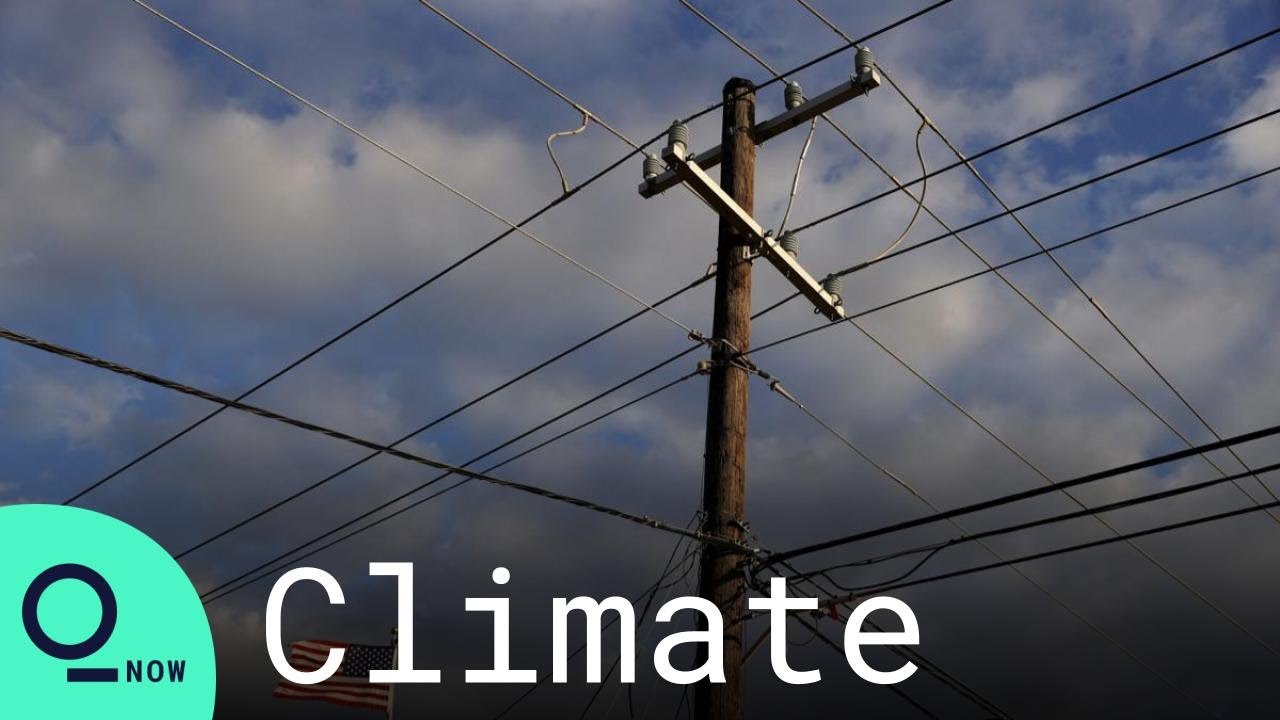
“Deferred maintenance challenges” such as those on display in the Texas power crisis this month “are real” and holding back the economy, Deese said.
Subscribe to our YouTube channel
Bloomberg Quicktake brings you live global news and original shows spanning business, technology, politics and culture. Make sense of the stories changing your business and your world.
To watch complete coverage on Bloomberg Quicktake 24/7, visit or watch on Apple TV, Roku, Samsung Smart TV, Fire TV and Android TV on the Bloomberg app.
Have a story to tell? Fill out this survey for a chance to have it featured on Bloomberg Quicktake
Connect with us on…
Breaking News on YouTube
Sentinel Indexing in Progress
Metadata and chapters are available. Claim extraction for this episode is pending.
All video content is delivered via YouTube embedded players in accordance with the YouTube Terms of Service. Sentinel provides research tools that promote discovery and accountability across political media.