
Bloomberg News
@Bloomberg-News·2.8M subscribers·40.1K videos
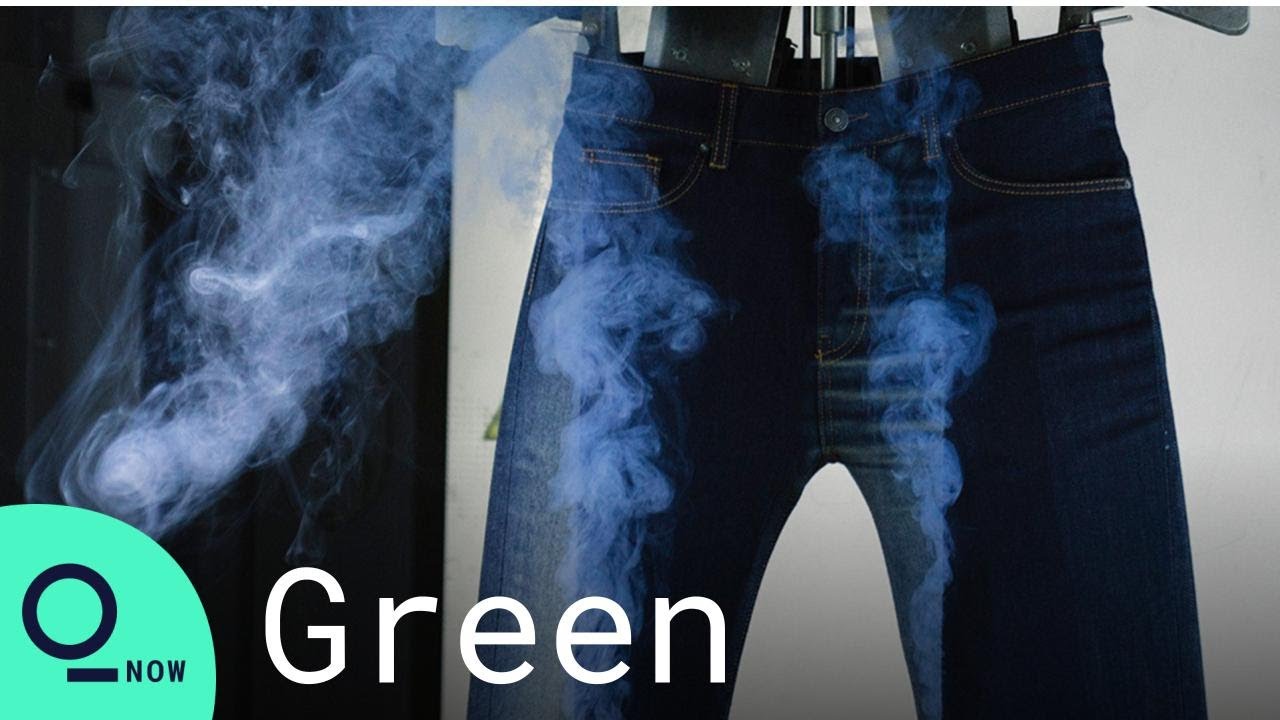
The Tiny Bubble Secret to Sustainable Denim Jeans
Posted
March 15, 2021
Views
3,519
Likes
78
Comments
2
Engagement
2.27%
March 15, 2021
3,519
78
2
2.27%
Every word spoken in this episode is indexed. Type any phrase to jump straight to the moment it was said.
Type any word or phrase that may have been spoken. Click a result to seek the player to that exact moment.
Try a name, a topic, or a quoted line
 3:57Now Playing
The modern age’s most iconic piece of clothing—a pair of jeans—is also one of the most environmentally harmful to make.
Billions of pairs are sold every year, from stylishly distressed to faded vintage. Styles that look worn out—from hours in the sun or repeated washing—are almost never so. They’ve achieved that effect right off the production line, from toxic chemicals mixed with water. What happens to that contaminated liquid? It’s often dumped into rivers and oceans.
Enrique Silla is trying to reduce that pollution. His company, Jeanologia, over the past 26 years has developed production methods that cut as much as 90% of water from the process. He estimates 35% of jeans worldwide are made using at least one of the company’s machines. “We picked jeans because they’re the most consumed product,” Silla says.
“When we started,” he says, “we used to tell our clients that saving the planet could be a great business—and they thought we were Greenpeace.” So Silla focused on cutting costs because it was the easiest way to persuade companies to change their methods. It was “the language brands understood,” he says.
The company made some headway, but things really took off over the past five years as brands began actively embracing sustainability to appeal to younger, more climate-conscious consumers.
The shift helped Jeanologia grow from a tiny basement office in the Mediterranean city of Valencia, Spain, to a global enterprise that employs 220 people in 18 countries. In 2019 it posted revenue of just over €100 million ($120 million). Silla estimates the company saved the equivalent of 14 million cubic meters (494 million cubic feet) of water from pollution last year.
The machines designed and built by Jeanologia are used by some of world’s largest denim makers—mass producers in Bangladesh, Mexico, Pakistan, Turkey, and Vietnam that aren’t household names but supply a large share of the textiles used by big brands.
Subscribe to our YouTube channel
Bloomberg Quicktake brings you live global news and original shows spanning business, technology, politics and culture. Make sense of the stories changing your business and your world.
To watch complete coverage on Bloomberg Quicktake 24/7, visit or watch on Apple TV, Roku, Samsung Smart TV, Fire TV and Android TV on the Bloomberg app.
Have a story to tell? Fill out this survey for a chance to have it featured on Bloomberg Quicktake
Connect with us on…
Breaking News on YouTube
Sentinel Indexing in Progress
Metadata and chapters are available. Claim extraction for this episode is pending.
All video content is delivered via YouTube embedded players in accordance with the YouTube Terms of Service. Sentinel provides research tools that promote discovery and accountability across political media.