Bloomberg News
@Bloomberg-News·2.8M subscribers·40.1K videos
Your Instant Coffee May Soon Be at Risk From Suez Canal Blockage
Posted
March 26, 2021
Views
1,559
Likes
28
Comments
9
Engagement
March 26, 2021
1,559
28
9
2.37%
Every word spoken in this episode is indexed. Type any phrase to jump straight to the moment it was said.
Type any word or phrase that may have been spoken. Click a result to seek the player to that exact moment.
Try a name, a topic, or a quoted line
 5:50Now Playing
The crisis in the Suez Canal could soon hit your instant coffee.
The vessel blocking passage in one of the world’s most important maritime chokepoints isn’t just curbing shipments of crude oil and liquefied natural gas, but also containers of robusta coffee-- the type used in Nescafe. Europe is most affected as it imports through the Suez, but the impact will be felt globally as shipping delays exacerbate a shortage of containers that upended food markets.
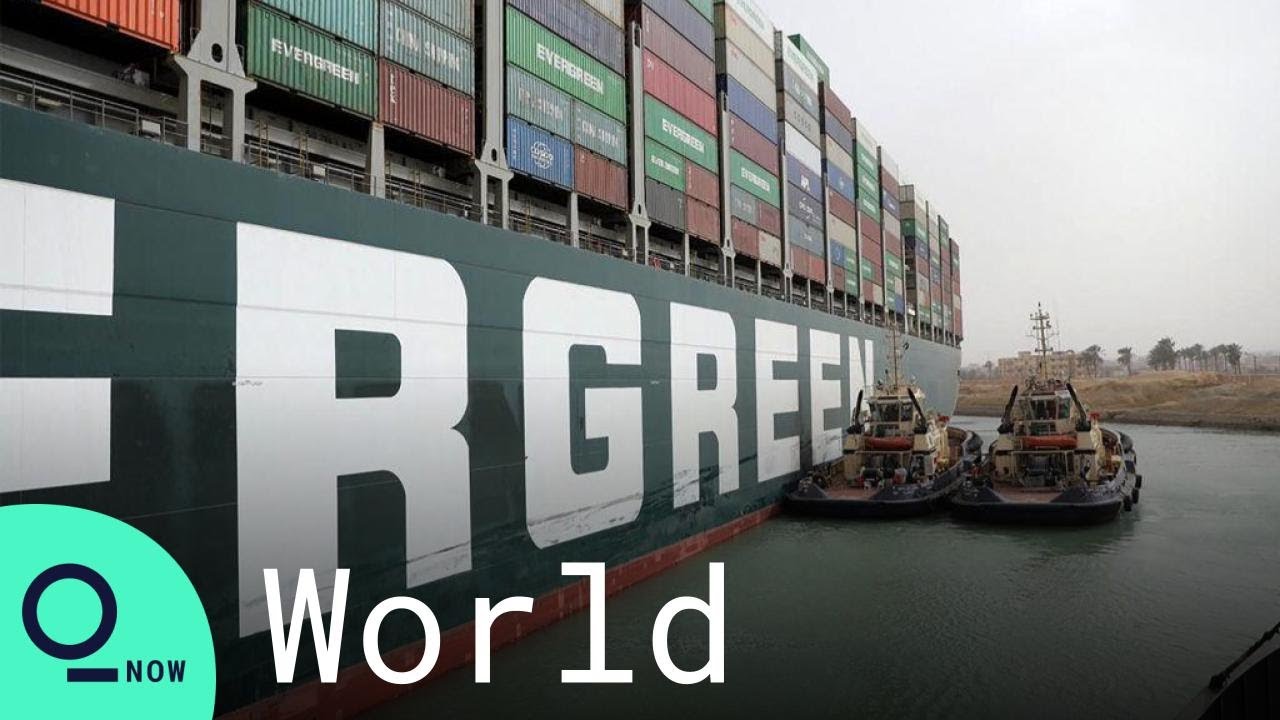
The massive container ship Ever Given became jammed in the key trade route on Tuesday, blocking passage for ships hauling almost $10 billion of goods through the Egyptian waterway. Dislodging the 200,000-ton vessel could take days or even weeks, and a logjam around the canal has already doubled.
“For traders, they are going to scramble to supply their clients in Europe,” said Jan Luhmann, founder of JL Coffee Consulting and a former head coffee buyer at Jacobs Douwe Egberts BV, one of the world’s largest coffee roasters. “Resolving this is going to take a few days if we are lucky, but even so, a lot of damage has already been done.”
About 12% of global trade goes through the Suez, and the waterway is more known for its role in energy markets than agricultural commodities like coffee. Still, only two major robusta coffee producers -- Brazil and Ivory Coast -- don’t use this key route to reach major consumers in Europe.
Concern about the disruption is supplies sent robusta futures traded in London rallying as much as 2.8%, rebounding from a two-week low. The price gap between coffee for May delivery and beans for July surged more than 30% earlier Friday. Volcafe, the coffee unit of trader ED&F Man, said the Suez incident “risks sending an already tight container freight market even tighter.”
Coffee roasters on the continent had already been struggling to get supplies from Vietnam, the world’s largest robusta producer, due to the container shortage. Just when availability began to improve, the canal blockage brought another headache. All of the beans Europe imports from East Africa and Asia flow through the Suez.
“Can roasters support two to three weeks of delays? Probably not,” said Raphaelle Hemmerlin, head of logistics at Swiss coffee trader Sucafina SA. “I don’t think they have the buffer stock that they normally have.”
What’s more, the disruption will have a global impact as it holds back containers, exacerbating the global shortage that’s already pushed U.S. inventories to a six year-low. Boxes will not only be stuck at ships in the canal, but when traffic clears up, they will back up at ports like Antwerp and Rotterdam, said Hans Hendriksen, who has traded cocoa and coffee for 40 years.
“Logistics will be disturbed more the longer it takes to solve the problem,” said Hendriksen, who now advises exporters as well as small- and medium-sized traders.
Unlike roasters in the U.S., Europe’s coffee makers can’t as easily use robusta from Brazil due to the taste of their products. As a result, some roasters on the continent recently turned to East Africa to bridge the shortfall of beans from Vietnam, buying up supplies from places like Uganda or milder-tasting arabica beans from the region.
But those beans also travel via the Suez. Traders who have them stored in European warehouses are charging a hefty premium in the physical market. At the peak of the container squeeze, traders were demanding $450 a metric ton above the exchange price for Vietnamese coffee held in Europe, three times the normal rate.
“Inventory in Europe is very tight and I expect the spot market will be on fire,” JL Coffee Consulting’s Luhmann said. “Inventory in Vietnam is comfortable, but what’s the value of that if you can’t get it to Europe?”
Brazil has so far benefited from price dislocations caused by the container shortage that first hit Vietnam at the end of last year. The No. 2 robusta producer exported a record 4.9 million bags in 2020, a 24% increase from a year earlier, according to industry group Cecafe.
Subscribe to our YouTube channel
Bloomberg Quicktake brings you live global news and original shows spanning business, technology, politics and culture. Make sense of the stories changing your business and your world.
To watch complete coverage on Bloomberg Quicktake 24/7, visit or watch on Apple TV, Roku, Samsung Smart TV, Fire TV and Android TV on the Bloomberg app.
Have a story to tell? Fill out this survey for a chance to have it featured on Bloomberg Quicktake
Connect with us on…
Breaking News on YouTube
Sentinel Indexing in Progress
Metadata and chapters are available. Claim extraction for this episode is pending.
All video content is delivered via YouTube embedded players in accordance with the YouTube Terms of Service. Sentinel provides research tools that promote discovery and accountability across political media.