
Bloomberg News
@Bloomberg-News·2.8M subscribers·40.1K videos
SpaceX Starship SN11 Rocket Crashes During Test Landing
Posted
March 30, 2021
Views
17,503
Likes
23
Comments
33
Engagement
0.32%
March 30, 2021
17,503
23
33
0.32%
Every word spoken in this episode is indexed. Type any phrase to jump straight to the moment it was said.
Type any word or phrase that may have been spoken. Click a result to seek the player to that exact moment.
Try a name, a topic, or a quoted line
 1:18Now Playing
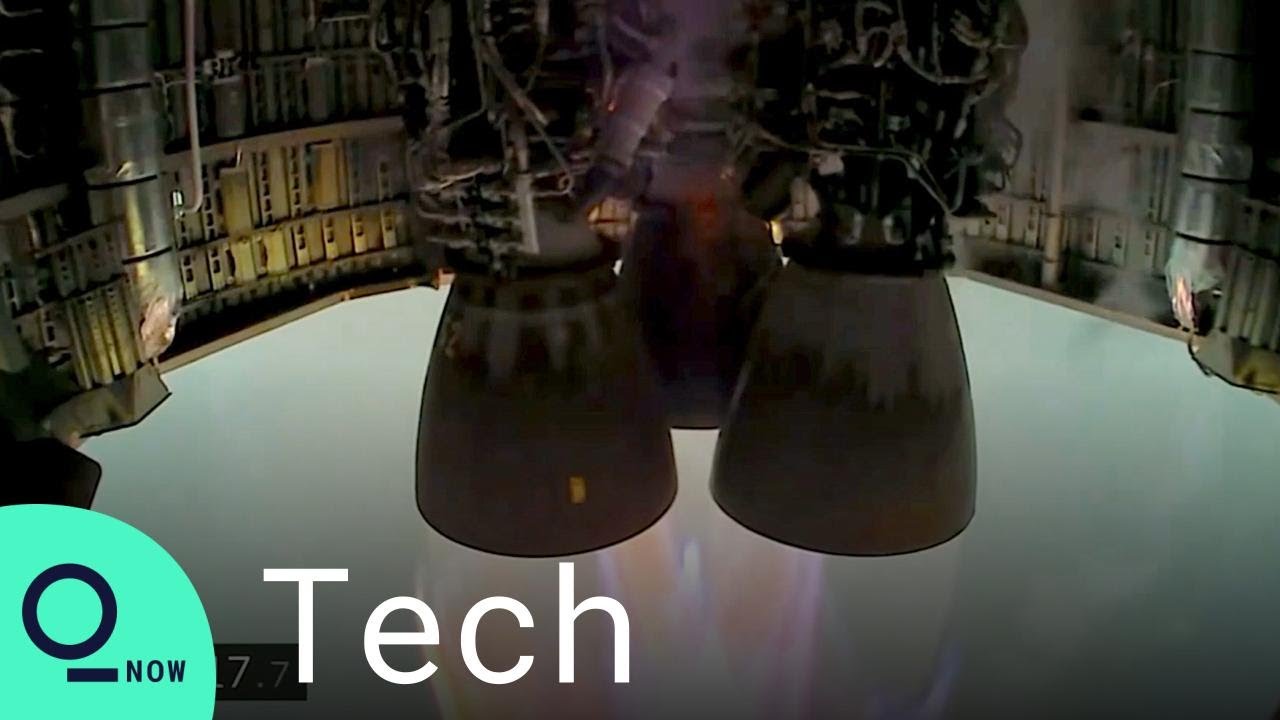
Space Exploration Technologies Corp.’s fourth test flight of its biggest rocket ended in another mishap as smoking debris rained down on the company’s Texas launch site, suggesting additional development hurdles for a vehicle designed to put humans on the moon and Mars.
The Starship SN-11 prototype lifted off in heavy fog at about 8 a.m. local time Tuesday from SpaceX’s seaside launch pad near the Mexico border, based on live video streamed by the company. The rocket then flew to an altitude of about 10 kilometers (6.2 miles) before shutting down its three Raptor engines to begin descent.
On the prototype’s way down, a rumbling noise developed and the video feed froze just after the ship was 1 kilometer from the landing pad. Cameras operated by NASASpaceflight.com recorded a burst of orange and pieces of debris crashing down near the launch site.
”Something significant happened shortly after landing burn start,” SpaceX founder Elon Musk tweeted. “Should know what it was once we can examine the bits later today.”
The latest mishap underscored the challenge facing SpaceX as it seeks to build a spacecraft capable of reaching the moon and Mars. The previous Starship test, on March 3, touched down at a slight incline and was engulfed in flames less than a minute later. Two earlier attempts ended in fireballs. No people were aboard any of the spacecraft.
Despite the fiery finales, each test flight has offered SpaceX additional data on the enormous rocket’s design, propulsion, navigation and other systems. The Starship will operate with six Raptor engines.
SpaceX conceived the stainless steel Starship as a versatile, fully reusable craft that can carry 100 metric tons for deep-space missions to the moon and Mars. It’s also designed to serve as a hypersonic, point-to-point vehicle to reduce travel times across Earth. Excluding a heavy booster that creates a two-stage system, Starship is 160 feet (49 meters) high with a 30-foot diameter, and able to carry as many as 100 passengers.
Musk tweeted a photo of the first Super Heavy booster on March 18, calling it a “production pathfinder” that’s helping Hawthorne, California-based SpaceX learn how to build and transport the 230-foot behemoth. The second such booster will be the one that flies, Musk wrote on Twitter.
The full system is scheduled for a commercial flight in 2023 with Japanese entrepreneur Yusaku Maezawa, who is collecting applications for eight people to accompany him on a Starship “fun trip” around the moon.
“I’m highly confident that we will have reached orbit many times with Starship before 2023, and that it will be safe enough for human transport by 2023,” Musk said in a video Maezawa released earlier this month.
In October, Musk said he was 80% to 90% confident that Starship will be ready for an orbital flight this year. SpaceX plans to fly multiple Starship prototypes from its Texas launch site, an area the rocket maker has dubbed Starbase.
Subscribe to our YouTube channel
Bloomberg Quicktake brings you live global news and original shows spanning business, technology, politics and culture. Make sense of the stories changing your business and your world.
To watch complete coverage on Bloomberg Quicktake 24/7, visit or watch on Apple TV, Roku, Samsung Smart TV, Fire TV and Android TV on the Bloomberg app.
Have a story to tell? Fill out this survey for a chance to have it featured on Bloomberg Quicktake
Connect with us on…
Breaking News on YouTube
Sentinel Indexing in Progress
Metadata and chapters are available. Claim extraction for this episode is pending.
All video content is delivered via YouTube embedded players in accordance with the YouTube Terms of Service. Sentinel provides research tools that promote discovery and accountability across political media.