Bloomberg News
@Bloomberg-News·2.8M subscribers·40.1K videos
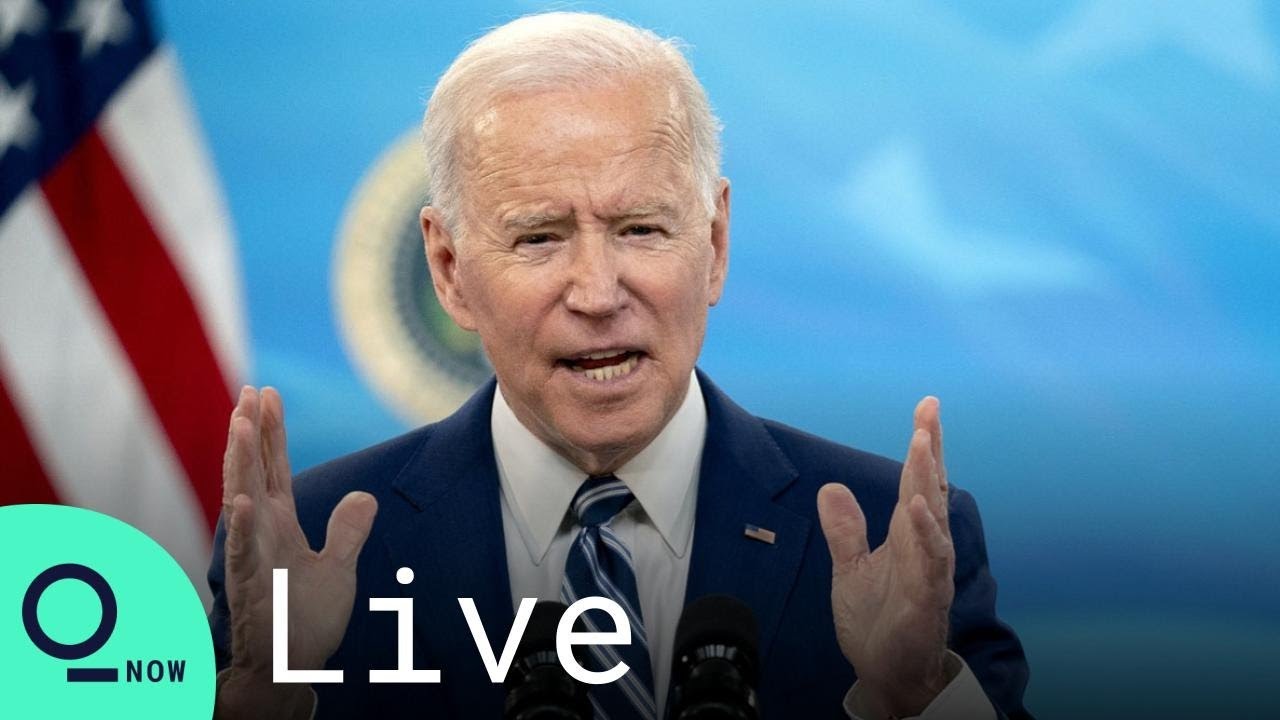
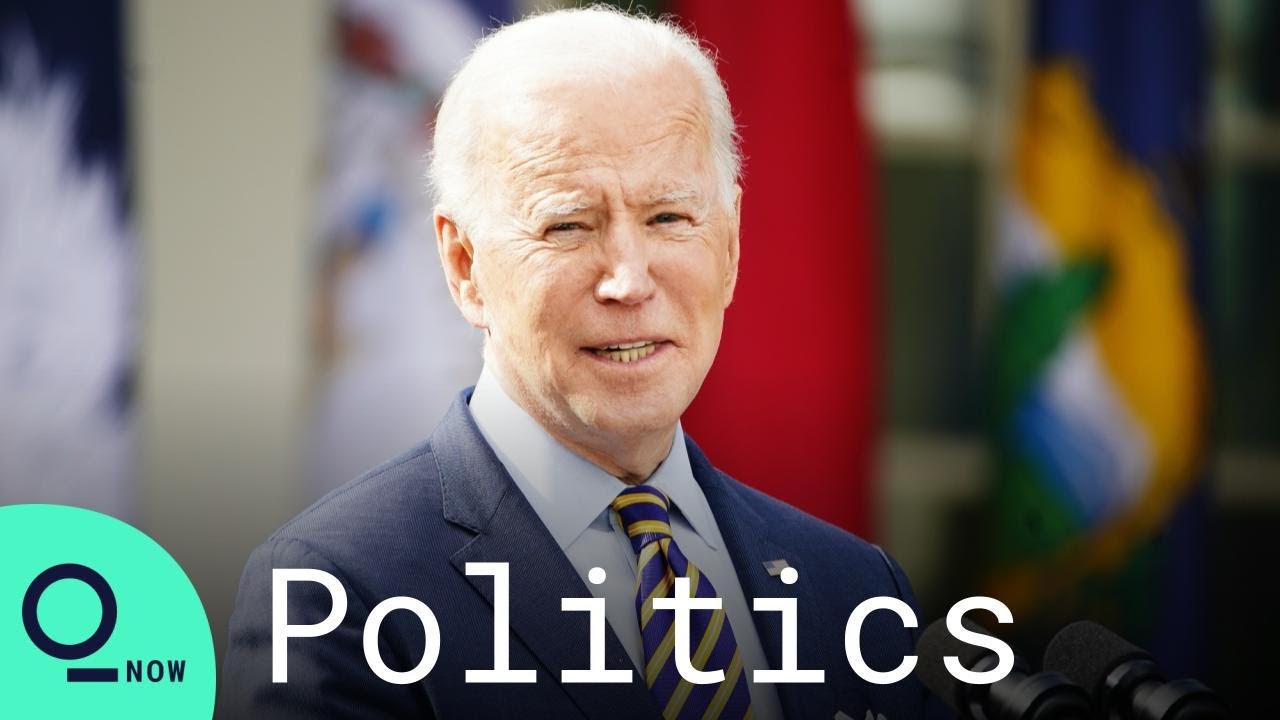
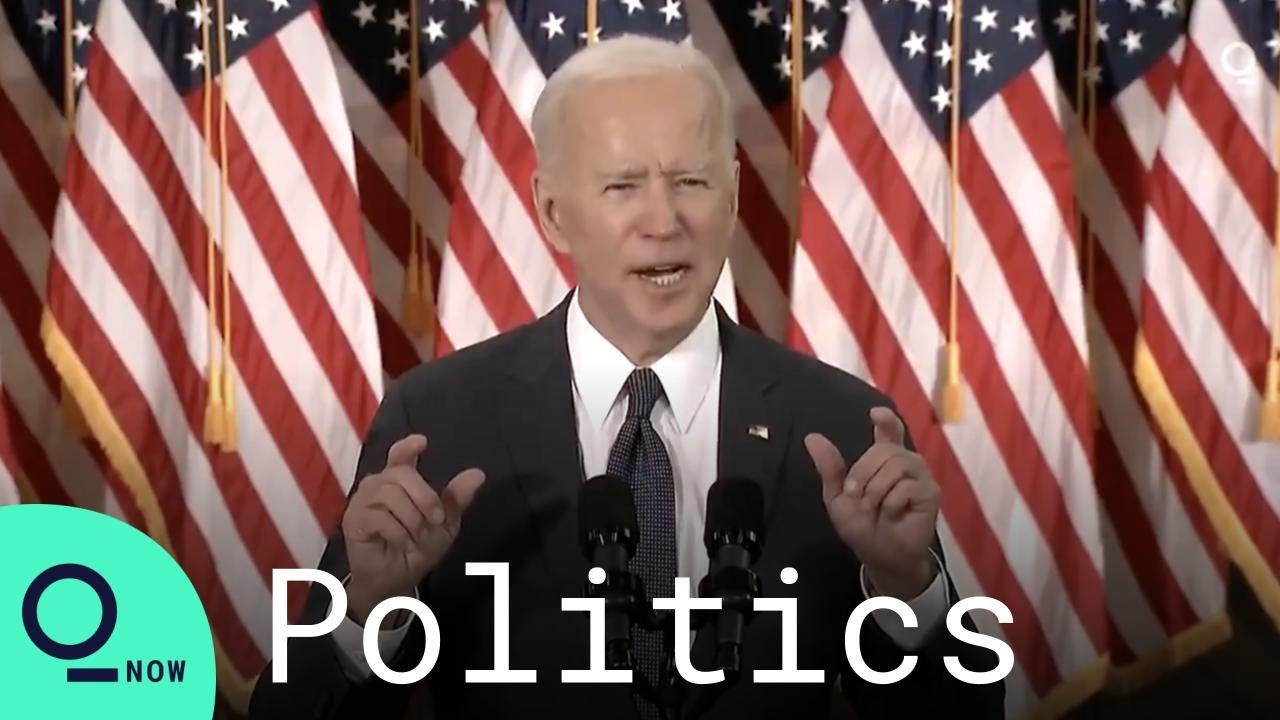
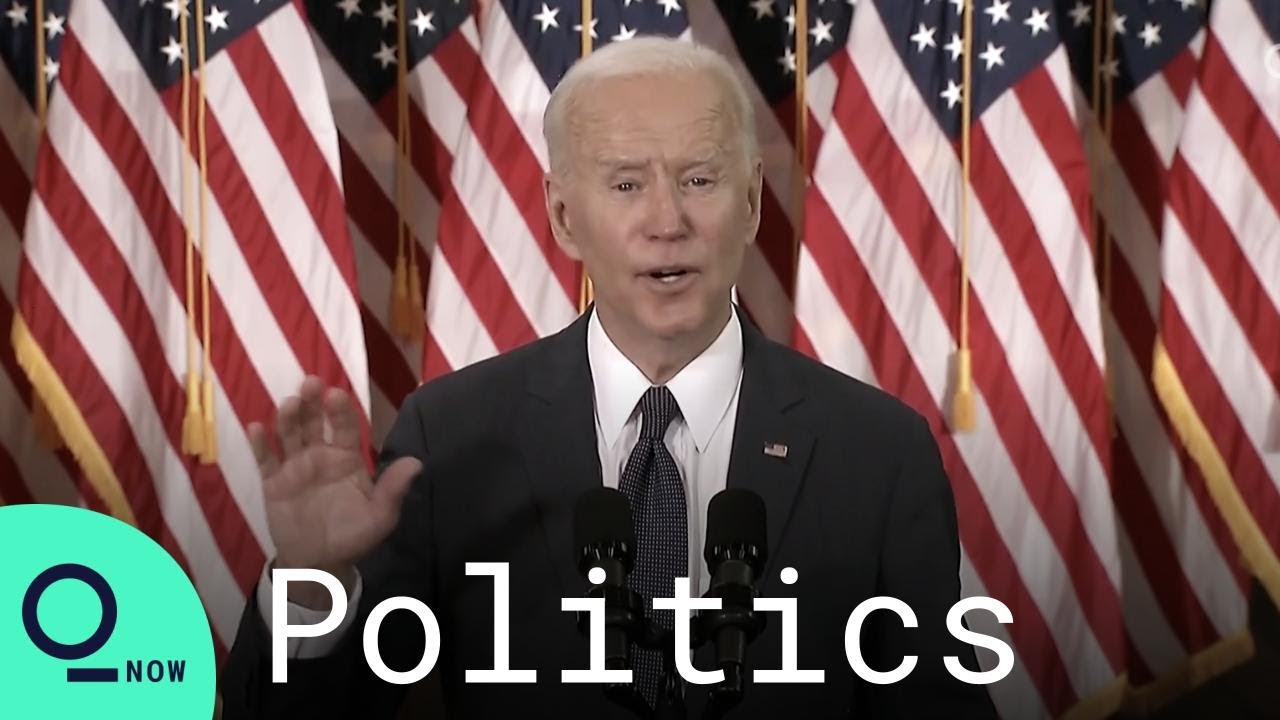
Biden Outlines $2.25 Trillion Plan in Pittsburgh to ‘Bring Everybody Along’
Posted
March 31, 2021
Views
374
Likes
16
Comments
7
Engagement
March 31, 2021
374
16
7
6.15%
Every word spoken in this episode is indexed. Type any phrase to jump straight to the moment it was said.
Type any word or phrase that may have been spoken. Click a result to seek the player to that exact moment.
Try a name, a topic, or a quoted line
 1:30Now Playing
President Joe Biden presented a $2.25 trillion U.S. infrastructure plan on Wednesday, setting the stage for a drawn-out battle over his second big economic program after his pandemic-relief package’s relatively smooth sail through Congress.
“We’re going to bring everybody along,” Biden promised in unveiling the new plan in Pittsburgh, saying that past economic growth had left out large swathes of American society. “We all do better when we all do well.”
The “American Jobs Plan,” as the administration is calling it, lays out an eight-year program that includes $620 billion for transportation and $650 billion for initiatives such as cleaner water and high-speed broadband. Biden’s plan would also allocate $580 billion to American manufacturing -- which would include $180 billion for the biggest non-defense research and development program on record and $400 billion toward care for the elderly and disabled.
“It’s time to build our economy from the middle out,” Biden said, saying his plan “rewards work, not just wealth.”
He added that it is “not a plan that tinkers around the edges.”
But Biden will face fierce opposition from Republican lawmakers, especially over his proposal to pay for the package with tax increases. The president wants to raise the corporate income tax to 28% and set a 21% minimum levy on global corporate earnings. While the spending would be temporary, the tax hikes would be permanent -- at least until new legislation is enacted to change them.
The plan is also focused on addressing inequalities, and what the administration vows will be the creation of millions of jobs -- many of them in unions.
Biden spoke at a carpenter’s training center in Pittsburgh and was introduced by a union member.
Biden’s plan will prove far more complex to enact than the $1.9 trillion pandemic-relief bill the president signed into law earlier this month. Republicans are staunchly opposed to tax increases, and the breadth of measures will invite partisan battles as well as discord between moderate and progressive Democrats.
Senate Minority Leader Mitch McConnell said Wednesday, “it’s like a Trojan Horse that’s called infrastructure. But inside the Trojan Horse is going to be more borrowed money and massive tax increases on all of the productive parts of our economy.”
Administration officials say Biden is open to input from lawmakers of both parties on what provisions should be in a final package and how to pay for them. The White House expects to have robust outreach to GOP lawmakers and is committed to a serious discussion with them, a White House official said on the condition of anonymity. That effort began with inviting Republicans from relevant committees to briefings with Brian Deese, the National Economic Council director.
But an infrastructure-spending bill doesn’t necessarily need Republican support to become law. Congressional Democrats could choose to fit many of the president’s proposals into one or more budget reconciliation bills, which require only a simple majority vote in the Senate -- though some elements may face parliamentary-rule challenges for inclusion in such legislation.
A key theme of the program is bolstering U.S. competitiveness against China. There’s $50 billion earmarked for domestic semiconductor manufacturing, and $40 billion more in upgrading research capacity in laboratories across the nation.
Climate change is also a major target. The transportation funding proposed specifically directs $174 billion to electric vehicles, including sale rebates and tax incentives for consumers to buy American-made cars.
What Biden laid out in Pittsburgh is the first part of his long-term economic program, and he plans to unveil a second round of initiatives in mid-April. Those will focus on “helping families with the challenges like health care costs, child care, and education,” the White House said.
Subscribe to our YouTube channel
Bloomberg Quicktake brings you live global news and original shows spanning business, technology, politics and culture. Make sense of the stories changing your business and your world.
To watch complete coverage on Bloomberg Quicktake 24/7, visit or watch on Apple TV, Roku, Samsung Smart TV, Fire TV and Android TV on the Bloomberg app.
Have a story to tell? Fill out this survey for a chance to have it featured on Bloomberg Quicktake
Connect with us on…
Breaking News on YouTube
Sentinel Indexing in Progress
Metadata and chapters are available. Claim extraction for this episode is pending.
All video content is delivered via YouTube embedded players in accordance with the YouTube Terms of Service. Sentinel provides research tools that promote discovery and accountability across political media.