Bloomberg News
@Bloomberg-News·2.8M subscribers·40.1K videos
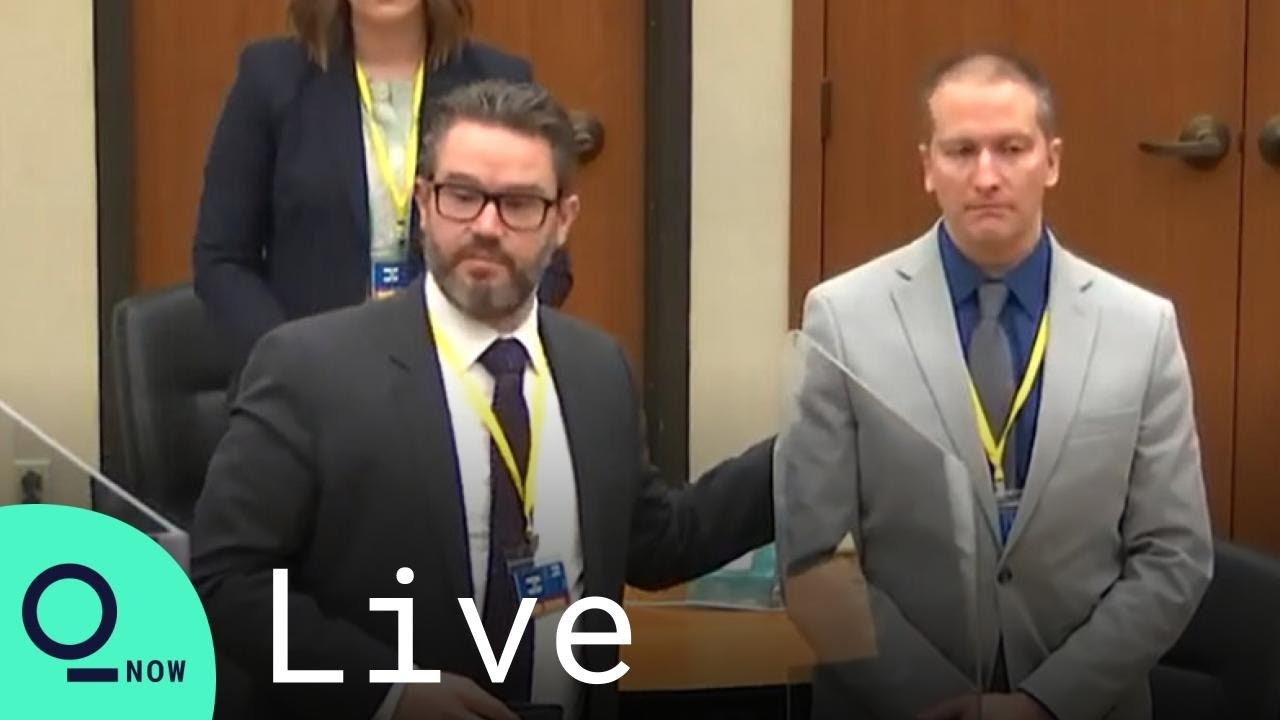
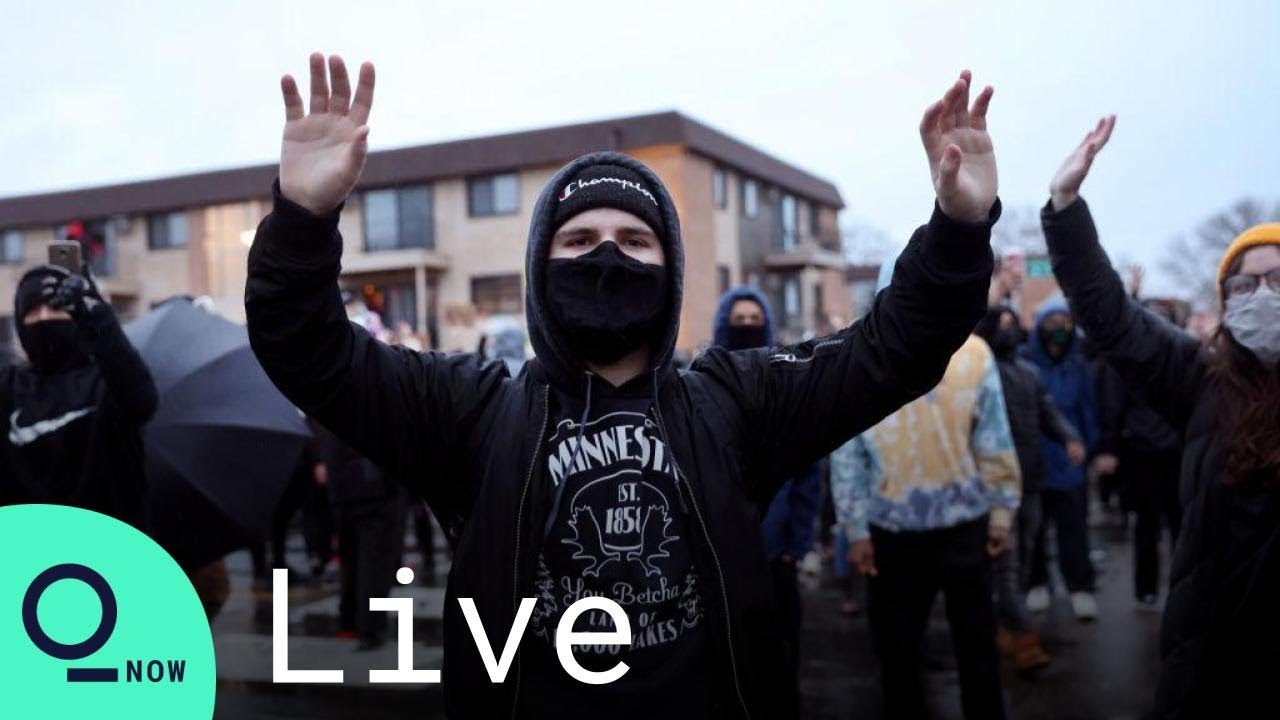
LIVE: Prosecutors Rest Case Against Chauvin in Floyd's Death | Top News
Posted
April 13, 2021
Views
8,471
Likes
66
Comments
4
Engagement
April 13, 2021
8,471
66
4
0.83%
Every word spoken in this episode is indexed. Type any phrase to jump straight to the moment it was said.
Type any word or phrase that may have been spoken. Click a result to seek the player to that exact moment.
Try a name, a topic, or a quoted line
 7:59:31Now Playing
(Apr. 13) The defense began its case Tuesday at the murder trial of former Officer Derek Chauvin, seizing on a 2019 confrontation between police and George Floyd in which Floyd suffered dangerously high blood pressure and confessed to heavy use of opioid painkillers.
Chauvin lawyer Eric Nelson has argued that the now-fired white officer did what he was trained to do and that Floyd died last May because of his illegal drug use and underlying health conditions, not because of Chauvin pinning him to the pavement.
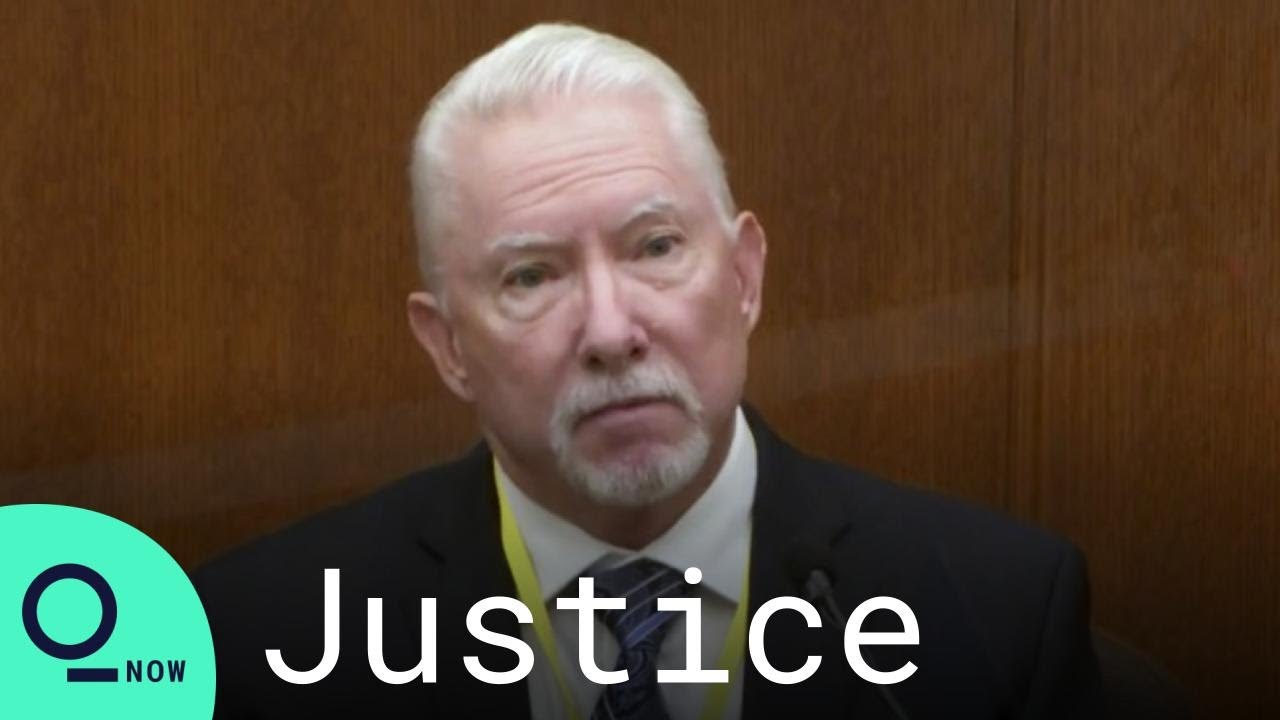
Moments after the prosecution rested its case Tuesday after 11 days of testimony and a mountain of video evidence, the defense put on its first witness, a retired Minneapolis police officer who testified about a May 6, 2019, incident in which Floyd was arrested, a year before his fatal encounter with Chauvin.
Scott Creighton said he drew his gun when Floyd, who was a passenger in the car, did not comply with orders to show his hands. Nelson played body camera video that showed Creighton approaching the vehicle on the passenger side, drawing his gun and pulling him out of the car.
Chauvin’s lawyer twice asked questions aimed at getting the jury thinking about Floyd swallowing drugs, but Creighton said he did not see Floyd take anything.
Another witness who responded to that call, retired paramedic Michelle Moseng, testified that Floyd told her he had been taking multiple opioids about every 20 minutes.
“I asked him why and he said it was because he was addicted,” said Moseng, who also described Floyd’s behavior as “elevated and agitated” before the judge struck that remark from the record.
Moseng also said she recommended taking Floyd to the hospital based on his high blood pressure, which she measured at 216 over 160, but he resisted.
On cross-examination, prosecutor Erin Eldridge got Moseng to testify that Floyd’s respiratory output, pulse, heart rate, EKG and heart rhythms were normal. Eldridge said Floyd was taken to the hospital and released two hours later.
Eldridge also made a point of noting that officers gave Floyd contradictory commands, with Creighton telling him to put his hands on the dashboard and another officer telling him to put his hands on his head. She noted that another officer threatened to use a stun gun on him, while Floyd asked not to be shot or beaten up.
---
Subscribe to our YouTube channel
Bloomberg Quicktake brings you live global news and original shows spanning business, technology, politics and culture. Make sense of the stories changing your business and your world.
To watch complete coverage on Bloomberg Quicktake 24/7, visit or watch on Apple TV, Roku, Samsung Smart TV, Fire TV and Android TV on the Bloomberg app.
Have a story to tell? Fill out this survey for a chance to have it featured on Bloomberg Quicktake
Connect with us on…
Breaking News on YouTube
Sentinel Indexing in Progress
Metadata and chapters are available. Claim extraction for this episode is pending.
All video content is delivered via YouTube embedded players in accordance with the YouTube Terms of Service. Sentinel provides research tools that promote discovery and accountability across political media.