Bloomberg News
@Bloomberg-News·2.8M subscribers·40.1K videos
Bernard Madoff Believed to Have Died From Natural Causes in Prison at 82
Posted
April 14, 2021
Views
55,054
Likes
463
Comments
438
Engagement
April 14, 2021
55,054
463
438
1.64%
Every word spoken in this episode is indexed. Type any phrase to jump straight to the moment it was said.
Type any word or phrase that may have been spoken. Click a result to seek the player to that exact moment.
Try a name, a topic, or a quoted line
 1:00Now Playing
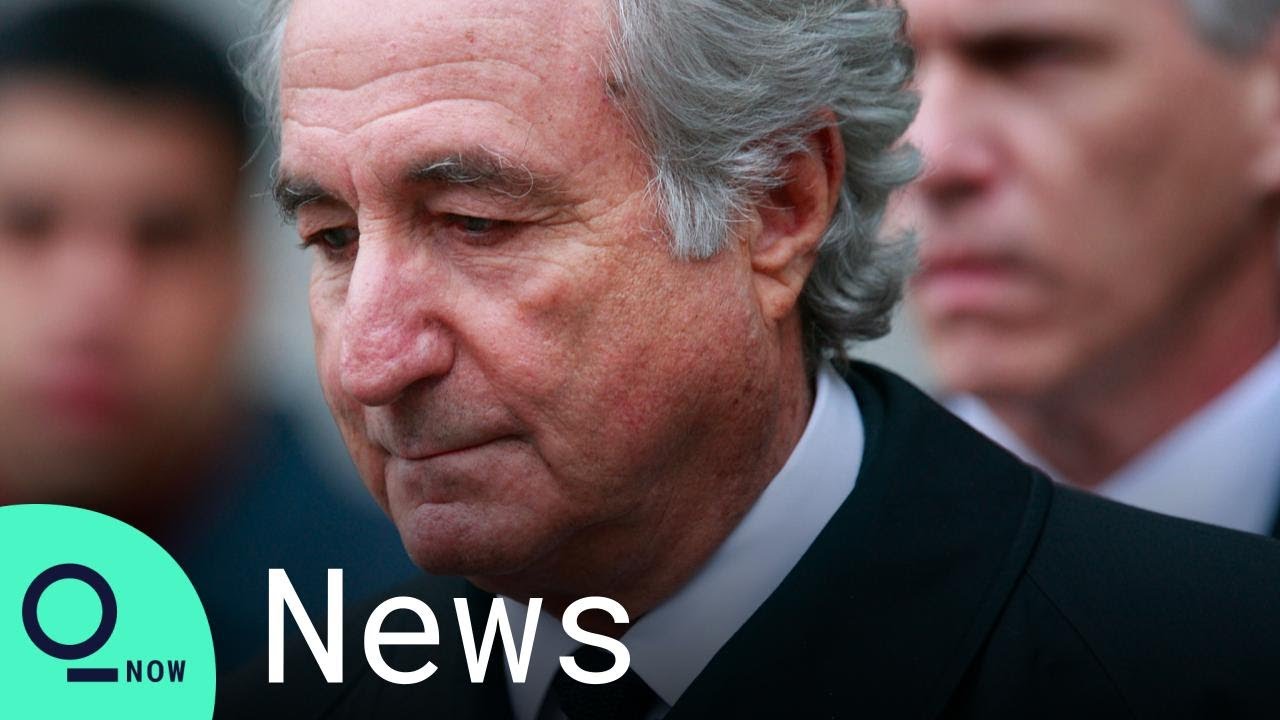
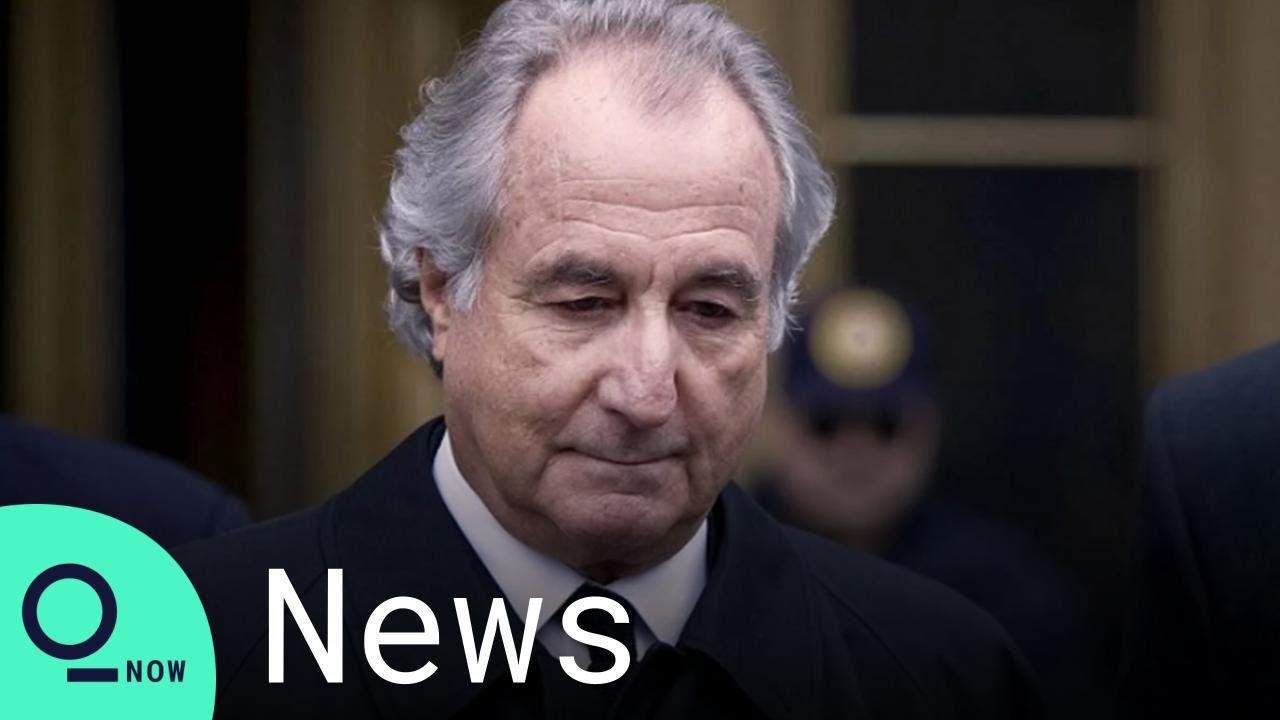
Bernard Madoff, the Manhattan investment adviser who promised stellar returns to his A-list clients and instead defrauded them of more than $19 billion in history’s largest Ponzi scheme, has died. He was 82.
He died Wednesday, according to an emailed statement from Brandon Sample, Madoff’s attorney. No cause was given. Madoff’s home since July 2009 was the Butner Federal Correctional Complex in Butner, North Carolina, where he was serving a 150-year term. He requested compassionate early release, citing end-stage kidney disease, in February 2020.
Up until his death, Madoff “lived with guilt and remorse for his crimes,” Sample said. “Although the crimes Bernie was convicted of have come to define who he was—-he was also a father and a husband. He was soft spoken and an intellectual. Bernie was by no means perfect. But no man is.”
Like Charles Ponzi, whose 1920 con earned him a place in the annals of crime, Madoff seemed to deliver stunning returns to his clients, when in fact he was paying existing investors with money from new ones.
Unlike Ponzi, who soared and fell in the course of one year, Madoff achieved a level of respect and acclaim among finance professionals -- he was chairman of the Nasdaq Stock Market in 1990, 1991 and 1993 -- and kept his ruse going for at least 15 years, even under the gaze of regulators who visited his office to inspect his records.
His thousands of clients entrusted him with more than $19 billion in principal and were led to believe, through fake statements and trade confirmations, that they had almost $65 billion among them in their accounts. Irving Picard, the trustee appointed to unwind the accounts, had recovered more than $14.4 billion to partially reimburse clients who lost money.
Madoff’s big-name investors included Fred Wilpon, then-majority owner of the New York Mets; husband-and-wife actors Kevin Bacon and Kyra Sedgwick; Henry Kaufman, former chief economist at Salomon Brothers; Boston philanthropist Carl Shapiro; two of Europe’s wealthiest women, Alicia Koplowitz of Spain and Liliane Bettencourt of France; charitable foundations of director Steven Spielberg and Holocaust survivor Elie Wiesel; and New York and Yeshiva universities.
Contributing to Madoff’s facade was the existence of legitimate businesses alongside the fraudulent one at his firm, Bernard L. Madoff Investment Securities LLC.
The company’s market-making and proprietary-trading units, run by his sons and brother, occupied the 18th and 19th floors of the red, cylindrical Lipstick Building in Midtown Manhattan. Madoff’s 17th-floor office, where the fraud was run, was off-limits to most employees.
With his promise to deliver steady returns through markets bullish and bearish, Madoff built such a sterling reputation that he had to turn some prospective investors away. He owned homes in Manhattan and Montauk in New York state, Palm Beach in Florida, and Cap d’Antibes on the French Riviera. He owned a yacht called “Bull” and lavished jewelry on his wife, Ruth.
The fraud collapsed in December 2008, when plunging equity markets prompted clients to seek more withdrawals than he could accommodate. His sons Andrew and Mark notified the Federal Bureau of Investigation that their father had confessed to them.
“The money is gone,” Andrew Madoff quoted his father as telling the family. “It’s all been one big lie.” Andrew Madoff recalled the quote for Laurie Sandell’s “Truth and Consequences: Life Inside the Madoff Family” (2011), an authorized biography.
Madoff pleaded guilty in March 2009 to fraud, money laundering, perjury and theft. In court, and in later interviews from prison, he insisted that he had run a genuine investment business for many years before finding himself unable to maintain the generous returns his clients had come to expect.
He said that -- “to the best of my recollection” -- the fraud began in the early 1990s, during a recessionary period for the U.S. economy, and that he “believed it would end shortly and I would be able to extricate myself and my clients.”
Prosecutors said the fraud began in the 1980s, if not earlier.
Subscribe to our YouTube channel
Bloomberg Quicktake brings you live global news and original shows spanning business, technology, politics and culture. Make sense of the stories changing your business and your world.
To watch complete coverage on Bloomberg Quicktake 24/7, visit or watch on Apple TV, Roku, Samsung Smart TV, Fire TV and Android TV on the Bloomberg app.
Have a story to tell? Fill out this survey for a chance to have it featured on Bloomberg Quicktake
Connect with us on…
Breaking News on YouTube
Sentinel Indexing in Progress
Metadata and chapters are available. Claim extraction for this episode is pending.
All video content is delivered via YouTube embedded players in accordance with the YouTube Terms of Service. Sentinel provides research tools that promote discovery and accountability across political media.