Bloomberg News
@Bloomberg-News·2.8M subscribers·40.1K videos
Tokyo 2020: A Timeline of the Olympic Games Under Covid-19's Shadow
Posted
July 23, 2021
Views
3,022
Likes
17
Comments
1
Engagement
July 23, 2021
3,022
17
1
0.60%
Every word spoken in this episode is indexed. Type any phrase to jump straight to the moment it was said.
Type any word or phrase that may have been spoken. Click a result to seek the player to that exact moment.
Try a name, a topic, or a quoted line
Episode Timeline
Every episode in order around the one you’re watching — click any card and the page flips straight to it.
 2:26Now Playing
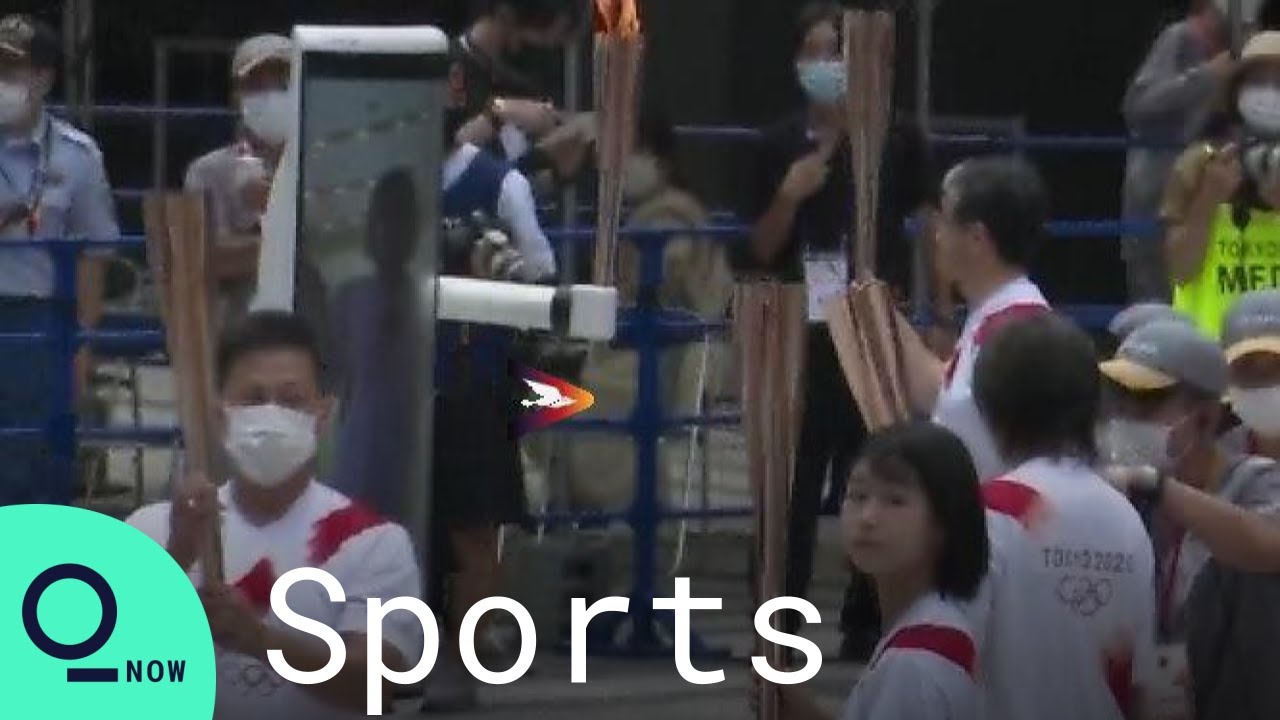
The Tokyo 2020 Olympics have kicked off under the shadow of Covid-19 as daily infections tied to the Games rise. Here's a look back at how we got here.
For the first time in history, events at Tokyo 2020 will be held without spectators and winners will place their own medals around their necks. Delegations landed amid the looming threat of the infectious delta variant, which has triggered case surges throughout Asia. Athletes social distance in the Olympic Village and eat between plastic barriers in the cafeteria.
Covid has been only the latest, albeit biggest, challenge for an Olympics that’s been mired in drama for nearly a decade, from a scrapped stadium design to a bribery probe. The senior officials who championed the bid — including former Prime Minister Shinzo Abe — are no longer in office, undone by scandal and stress. The official cost of the Games has more than doubled to $15.4 billion from its original estimate, including an extra $3 billion needed for the delay and Covid-related safety measures.
Support from the Japanese public long known globally as enthusiastic Olympic fans has waned amid concerns about the Games becoming a superspreader event. A July 3-4 survey by broadcaster JNN found that 34% wanted to cancel, or postpone them again. The country’s largest companies have made moves to distance themselves, including global sponsor Toyota Motor Corp., which said this week it won’t be airing ads in Japan that feature the Olympics.
Even though athletes and other participants aren’t allowed to interact with the Japanese public, concerns have grown over the past week about the potential for outbreaks in the so-called Olympic bubble. A handful of athletes have already tested positive for Covid, including an alternate for the U.S. women’s gymnastics team. And in another blow, the director of the opening ceremony was fired a day before the Games started for comments he made about the Holocaust two decades ago.
Japan’s journey to the 2020 Olympics started more than a decade ago and was preceded by disaster. In March 2011, as officials were readying to announce another bid after losing out to Rio de Janeiro for 2016, a magnitude-9.0 earthquake struck off the northeastern coast and caused the worst nuclear disaster since Chernobyl.
“There was a strategic decision made to tie the Tokyo bid to reconstruction of the earthquake-devastated area as that would be the biggest appeal,” recalled Yuji Ishizaka, a sports sociologist at Nara Women’s University who researches the Olympics.
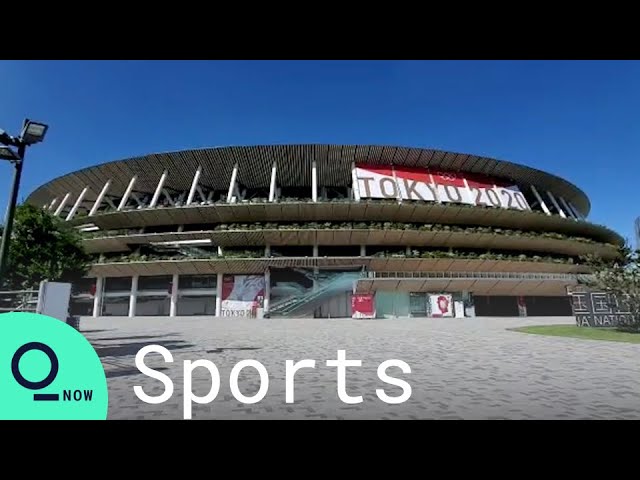
Tokyo’s first setback after winning the 2020 Games came in 2015, when the budget for its new national stadium - designed by late celebrity architect Zaha Hadid - swelled to over 50% its original estimate and was set to become the most expensive ever built. Under the pressure of falling support numbers, Abe scrapped the design in favor of a do-over.
Still, the Games had the general support of the public before Covid erupted. The Olympics were the crown jewel in the government's strategy of turning tourism into an economic growth engine.
Although the IOC and Japan initially insisted the Olympic schedule would not be affected by the spreading coronavirus, Abe finally announced in March that the Games would be postponed.
The year that followed the delay took out the last two men involved in the winning bid. Abe resigned due to health reasons last September, and Tokyo Olympics chair Yoshiro Mori stepped down this February after international uproar over his comments that women spoke too long in meetings, prompting a last-minute leadership shuffle.
Some see the entire episode as adding to the argument that the Olympics are now of diminishing returns for host cities, even without a historic public health crisis in the mix.
For Japan, the time for second thoughts has passed. All alternatives are off the table. Let the Games begin.
Subscribe to our YouTube channel
Subscribe to our newest channel Quicktake Explained
Bloomberg Quicktake brings you live global news and original shows spanning business, technology, politics and culture. Make sense of the stories changing your business and your world.
To watch complete coverage on Bloomberg Quicktake 24/7, visit or watch on Apple TV, Roku, Samsung Smart TV, Fire TV and Android TV on the Bloomberg app.
Have a story to tell? Fill out this survey for a chance to have it featured on Bloomberg Quicktake
Connect with us on…
Breaking News on YouTube
Sentinel Indexing in Progress
Metadata and chapters are available. Claim extraction for this episode is pending.
All video content is delivered via YouTube embedded players in accordance with the YouTube Terms of Service. Sentinel provides research tools that promote discovery and accountability across political media.