Bloomberg News
@Bloomberg-News·2.8M subscribers·40.1K videos
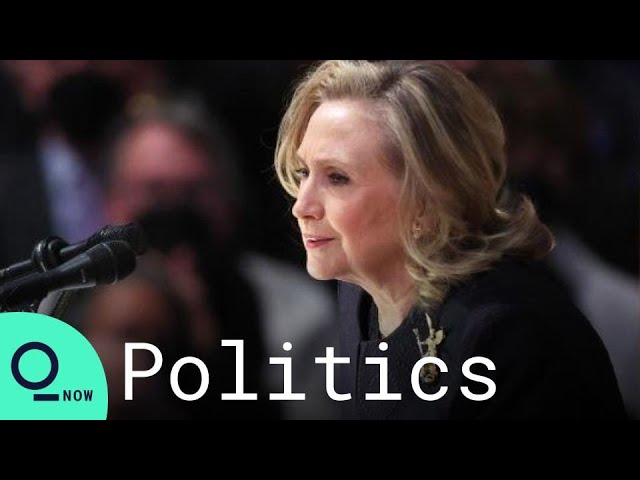
Election Australia 2022: Women Fed Up With Sexism Could Swing Results
Posted
April 28, 2022
Views
655
Likes
10
Comments
6
Engagement
April 28, 2022
655
10
6
2.44%
Every word spoken in this episode is indexed. Type any phrase to jump straight to the moment it was said.
Type any word or phrase that may have been spoken. Click a result to seek the player to that exact moment.
Try a name, a topic, or a quoted line
See what was published immediately before and after this episode.
 3:08Now Playing
Prime Minister Scott Morrison’s conservative government is trailing in polls ahead of a May 21 election, a slump that started around February last year when former staffer Brittany Higgins alleged that she was raped in Parliament House. In a trend that should rattle the Liberal-National coalition, the decline has been largely and steadily driven by female voters.
Women in Australia have endured more than a year of shocking allegations of misconduct from inside their nation’s parliament revealing a culture that has normalized sexual violence and humiliation. Now they’re set to channel months of simmering rage at the ballot box.
Data from pollsters Roy Morgan exclusive to Bloomberg show a clear divergence in voting intentions between men and women since early 2021. The gap in female support for the two main parties has more than doubled to 16 percentage points, in favor of the opposition Labor party. While a majority of male voters are also supporting Labor, the gap is just 3 percentage points.
“I really do firmly believe that this election will be determined by women,” said Janine Hendry, the academic and businesswoman who organized marches which were attended by more than 110,000 people across Australia in the wake of the rape scandal and other reports of sexual assault by men in power. “We’re now talking about inequality, we’re talking about the gender pay gap, we’re talking about gendered violence openly and as such, more and more women are realizing that gender equality in Australia is declining.
”The election lands a decade after Australia’s first female Prime Minister Julia Gillard called out then-rival Tony Abbott in her so-called misogyny speech that resonated across the world, but failed to stop the country from voting her party out the following year. Little has since improved for the nation’s women, amid a culture of tolerated sexism from company boardrooms to the offices of parliament. But gender could now be a key factor in the toppling of a government that holds power by just one seat.
“The treatment of women has definitely impacted my voting choice,” said 18-year-old Melbourne-based Cecilia Quinn, who plans to give her first-ever vote to Labor. “As a woman, I know exactly the culture that Australia continues to allow for its men, and I think that a really important place to solidify a culture of respecting and protecting women starts with its leadership.”
Being a woman in Australia has meant watching your prospects fade for more than a decade. In the World Economic Forum’s global gender gap index, the country fell to 50th position last year from No. 15 in 2006. When scored on economic participation and opportunity for women, it dropped from 12th in the world to No. 70 over the same period — one rank behind China. That’s despite Australian women sharing the global top spot for educational attainment both in 2006 and today.
The blame can’t be piled onto one leader or government: The Labor party was in power from 2007 to 2013. But it’s largely over the course of Morrison’s tenure and the explosion of the global #MeToo movement that Australia has faced a reckoning over gender equity, brought to the fore amid a rash of allegations and scandals implicating a number of men in the highest seats of power.
A fire was sparked on Jan. 25, 2021 when Grace Tame, an advocate for sexual assault survivors who was abused by her high school teacher, was presented with the Australian of the Year award by Morrison. It would prove to be a rare cordial meeting as the then 26-year-old quickly became a thorn in the prime minister’s side. Shortly after Tame’s powerful acceptance speech on institutionalized sexual abuse, Higgins was inspired to go public with allegations that she was raped in Parliament House.
Australia’s Minister for Women Marise Payne, one of eight female members of Morrison’s 24-strong cabinet, didn’t respond to emailed questions sent by Bloomberg.
Subscribe to our YouTube channel
Subscribe to our newest channel Quicktake Explained
Bloomberg Quicktake brings you live global news and original shows spanning business, technology, politics and culture. Make sense of the stories changing your business and your world.
To watch complete coverage on Bloomberg Quicktake 24/7, visit or watch on Apple TV, Roku, Samsung Smart TV, Fire TV and Android TV on the Bloomberg app.
Have a story to tell? Fill out this survey for a chance to have it featured on Bloomberg Quicktake
Connect with us on…
Breaking News on YouTube
Sentinel Indexing in Progress
Metadata and chapters are available. Claim extraction for this episode is pending.
All video content is delivered via YouTube embedded players in accordance with the YouTube Terms of Service. Sentinel provides research tools that promote discovery and accountability across political media.