Bloomberg Podcasts
@bloombergpodcasts·503K subscribers·32.4K videos
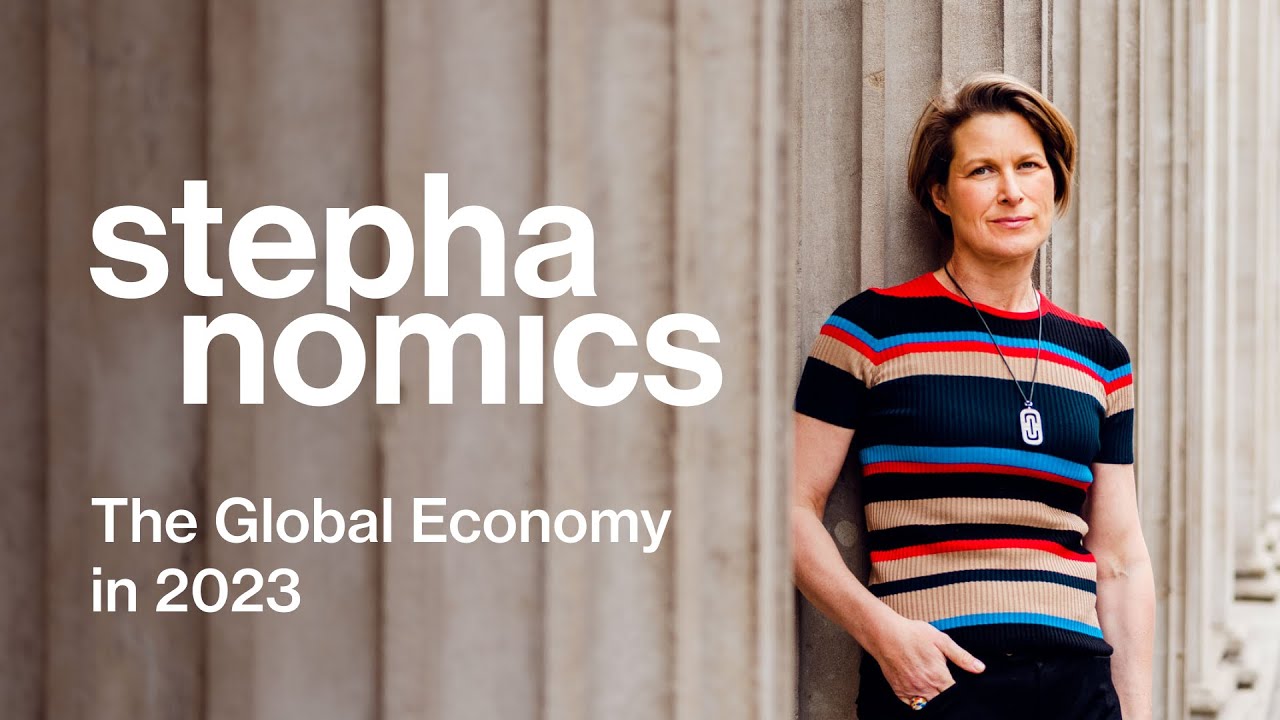
The Stephanomics Guide to the Global Economy in 2023 | Stephanomics
Posted
December 29, 2022
Views
322
Likes
7
Engagement
2.17%
December 29, 2022
322
7
2.17%
Every word spoken in this episode is indexed. Type any phrase to jump straight to the moment it was said.
Type any word or phrase that may have been spoken. Click a result to seek the player to that exact moment.
Try a name, a topic, or a quoted line
 47:30Now Playing
A push for peace in Ukraine, a recovering China and good news for US consumers may be in the cards.
Will China keep moving beyond its "Covid-zero" policy in the face of a massive infection wave? When and how will Russia's war on Ukraine end? Will Donald Trump really go ahead with his US presidential campaign next year? Groundhog Day won't arrive in the US until February, but until then the Stephanomics podcast has assembled a crack team of prognosticators rivaling Punxsutawney Phil himself to give a glimpse into 2023.
In this annual look-ahead edition of the podcast, host Stephanie Flanders delves into the future with Charles Grant, director of the Centre for European Reform, and three Bloomberg experts, Chief Economist Tom Orlik, Washington Bureau Chief Peggy Collins and London-based TV anchor Francine Lacqua. First, with inflation and interest rates dominating economic headlines, Orlik gives a somewhat reassuring outlook for the US. Price hikes will fall rapidly from their perch above 7% in 2023, but they'll remain high enough that the Federal Reserve will keep tightening the money supply for now, Orlik says.
In US politics, Trump's bid for a second term has gotten off to a slow start. Facing multiple criminal investigations and diminishing party support, some are wondering if his heart is really in it. However, since he's announced that he's running, we'd better assume the Republican might be on the ballot in 2024, even if potential rivals like Florida Governor Ron DeSantis don't clear a path for him, Collins said. The man who defeated Trump in 2020, President Joe Biden, has his own challenges next year now that the GOP controls the House of Representatives. Collins sees Biden circumventing a deadlocked Congress by making prolific use of executive orders, as many of his predecessors have done in the past.
Across the Atlantic, Grant predicts the French, Italians and Germans, joined by the US, will eventually urge Ukraine to cede territory to reach a peace agreement, despite the tens of thousands of its citizens killed by Russia in its war. While some Eastern European nations are taking a hardline stance against the Kremlin, including pushing for regime change, Biden and his allies foresee having to work with Russia over the long term, Grant says, and may take a more diplomatic approach. Meantime, the continent has been spared a full-on energy crisis, in part because of a mild European winter and a large supply of natural gas in storage, Lacqua says. That could change, though, with the European Union's new cap on gas prices. Energy importers may choose to send their natural gas elsewhere and cause prices in Europe to soar, Lacqua warns.
China currently faces a national crisis as coronavirus cases flood hospitals and threaten to kill more than a million people. It's a public health catastrophe that was triggered by Xi Jinping's sudden reversal of his "Covid-zero" policy. But in 2023, that turnabout may have Beijing's desired effects: After the infection wave recedes, Orlik predicts China's economy may finally turn the corner. He sees the country growing by 5.1% next year, with the risk being that it grows too quickly and puts a strain on the world's commodity supplies. For now, the US and Europe have been somewhat at odds over China, with the US more concerned about Beijing's accumulation of power and the threat to US security. Europe may be forced to side with its US allies, Grant says. "The more we get into a sort of new Cold War, the more inevitably the Europeans, however reluctantly, are forced to take sides and will take sides on the American side," he says.
See omnystudio.com/listener () for privacy information.
Will Covid-19 reshape the global economy or simply shrink it? What are nations doing to protect jobs and businesses from the fallout, and what will the long-term consequences be for labor markets, global supply chains and government finances? On Stephanomics, a podcast hosted by Bloomberg Economics head Stephanie Flanders—the former BBC economics editor and chief market strategist for Europe at JPMorgan Asset Management—we combine reports from Bloomberg journalists around the world and conversations with internationally respected experts on these and other issues to bring the global economy to life.
Subscribe to Bloomberg Podcasts
Check out more Stephanomics
#Bloomberg #Podcast #Economics
Follow Bloomberg Podcasts on Twitter
Visit our other YouTube channels:
Bloomberg Markets & Finance
Bloomberg Politics
Bloomberg Technology
Quicktake Originals
Quicktake Now
Quicktake...
Sentinel Indexing in Progress
Metadata and chapters are available. Claim extraction for this episode is pending.
All video content is delivered via YouTube embedded players in accordance with the YouTube Terms of Service. Sentinel provides research tools that promote discovery and accountability across political media.