Bloomberg Podcasts
@bloombergpodcasts·503K subscribers·32.4K videos
Apple Was on Brink of Crisis Before Trump Tariff Intervention
Posted
April 14, 2025
Views
42,349
Likes
443
Comments
138
Engagement
April 14, 2025
42,349
443
138
1.37%
Every word spoken in this episode is indexed. Type any phrase to jump straight to the moment it was said.
Type any word or phrase that may have been spoken. Click a result to seek the player to that exact moment.
Try a name, a topic, or a quoted line
 4:36Now Playing
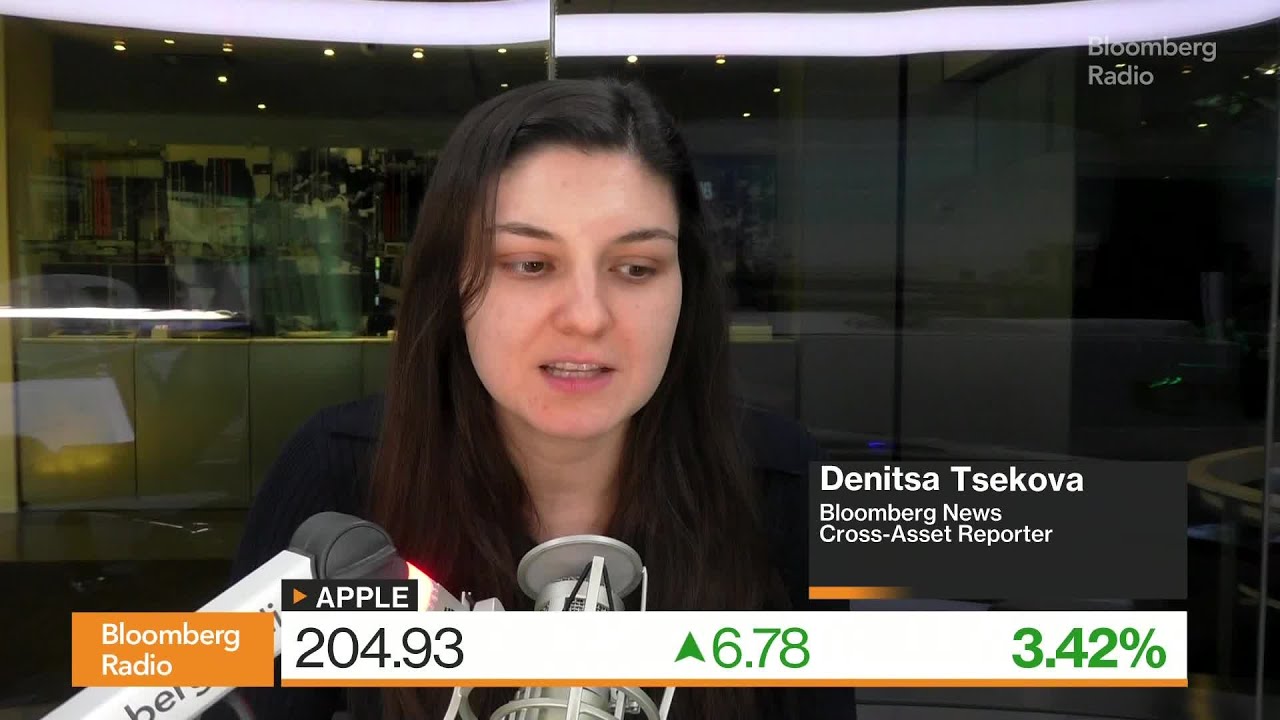
Bloomberg's Mark Gurman talks the impact of back-and-forth on tariffs on Apple's supply chain and gives a reality check on chances the tech giant will move their supply chain to the US.
Apple Inc. has managed to dodge its biggest crisis since the pandemic — for the moment, at least.
Donald Trump’s 125% tariffs on goods produced in China threatened to upend its supply chain as seriously as the Covid snarls did five years ago. On Friday night, the US president handed Apple a major victory, exempting many popular consumer electronics. That includes iPhones, iPads, Macs, Apple Watches and AirTags.
Another win: The 10% tariff on goods imported from other countries has been dropped for those products.
A new and lower so-called sectoral tariff may still come on goods that have semiconductors, and a 20% tariff still applies to electronics shipped from China. Over the weekend, Trump pledged he will still apply tariffs to phones, computers and popular consumer electronics, portraying the exemptions as a procedural step in a broader effort to remake US trade
Still, the timing for such a move remains uncertain. Till then, the surprise exemption marks a win for Apple and a consumer electronics industry that still heavily relies on the Asian nation for manufacturing.
“This is a major relief for Apple,” Evercore ISI analyst Amit Daryanani said in a note on Saturday. “The tariffs would have driven material cost inflation.”
He expects the shares to rally Monday following an 11% rout this month.
Before the latest exemption, the iPhone maker had a plan: adjust its supply chain to make more US-bound iPhones in India, which would have been subject to far lower levies. That, Apple executives believed, would be a near-term solution to avoid the eye-watering China tariff and stave off hefty price hikes.
Given that the iPhone facilities in India are on pace to produce more than 30 million iPhones per year, manufacturing from that country alone could have fulfilled a fair chunk of American demand. Apple, these days, sells about 220 million to 230 million iPhones annually, with about a third of those going to the US.
Such a shift would be difficult to pull off without a hitch, especially because the company is already nearing production of the iPhone 17, which will be made primarily in China. Within Apple’s operations, finance and marketing departments, fears had grown about the impact on the fall launch of new phones — and fueled a sense of dread.
The company, in just a few months, would have needed to pull off the herculean task of moving more iPhone 17 production to India or elsewhere. It likely would have had to increase prices — something that’s still possible — and fought with suppliers for better margins. And Apple’s famous marketing engine would have had to convince consumers it was all worth it.
But the feeling of uncertainty remains. White House policies are likely to shift again, and Apple may need to pursue more dramatic changes. At least for now, though, management is breathing a sigh of relief.
--------
Watch Bloomberg Radio LIVE on YouTube
Weekdays 7am-6pm ET
Follow us on X
Subscribe to our Podcasts:
Bloomberg Daybreak
Bloomberg Surveillance
Bloomberg Intelligence
Balance of Power
Bloomberg Businessweek
Listen on Apple CarPlay and Android Auto with the Bloomberg Business app:
Apple CarPlay
Android Auto
Visit our YouTube channels:
Bloomberg Podcasts
Bloomberg Television
Bloomberg Originals
Sentinel Indexing in Progress
Metadata and chapters are available. Claim extraction for this episode is pending.
All video content is delivered via YouTube embedded players in accordance with the YouTube Terms of Service. Sentinel provides research tools that promote discovery and accountability across political media.