Bloomberg Podcasts
@bloombergpodcasts·503K subscribers·32.4K videos
Trump's 100-Day Approval Nears Lowest in 80 Years
Posted
April 28, 2025
Views
2,626
Likes
35
Comments
22
Engagement
2.17%
April 28, 2025
2,626
35
22
2.17%
Every word spoken in this episode is indexed. Type any phrase to jump straight to the moment it was said.
Type any word or phrase that may have been spoken. Click a result to seek the player to that exact moment.
Try a name, a topic, or a quoted line
 4:25Now Playing
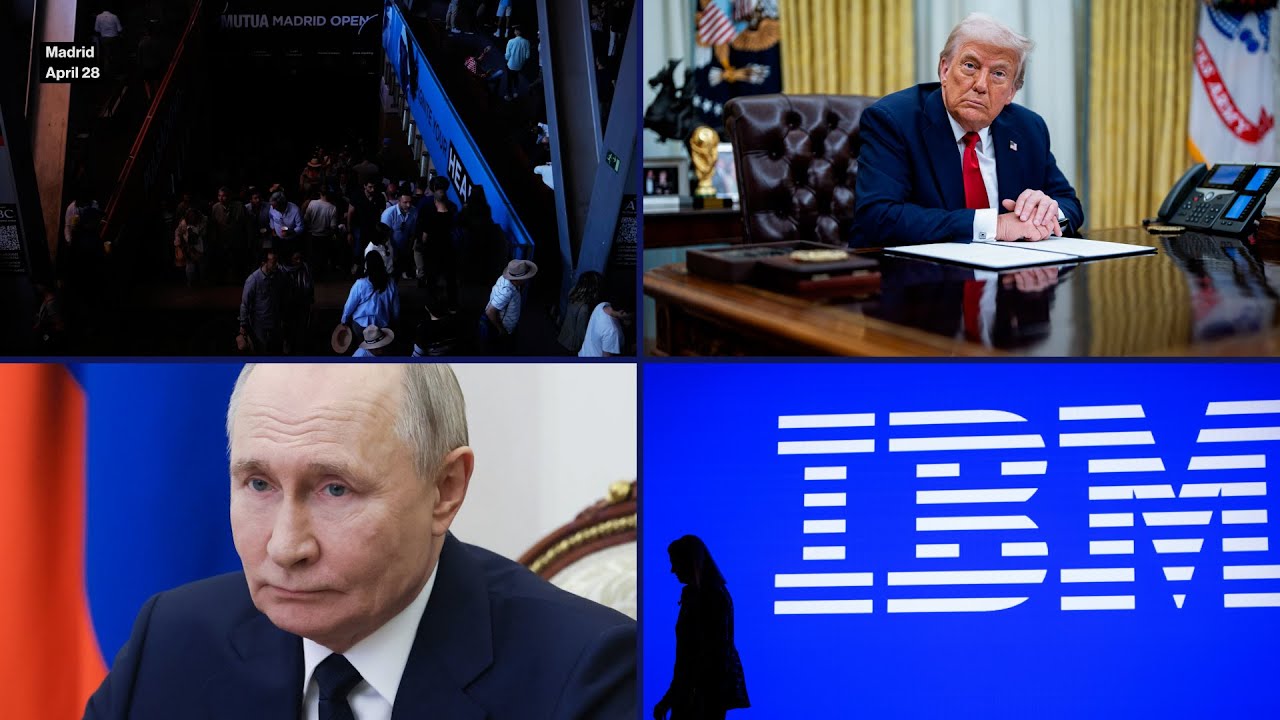
Donald Trump promised Americans a “boom like no other” if they elected him president. But based on the stock market’s performance during his first 100 days in office, it depends on what you mean by “boom.”
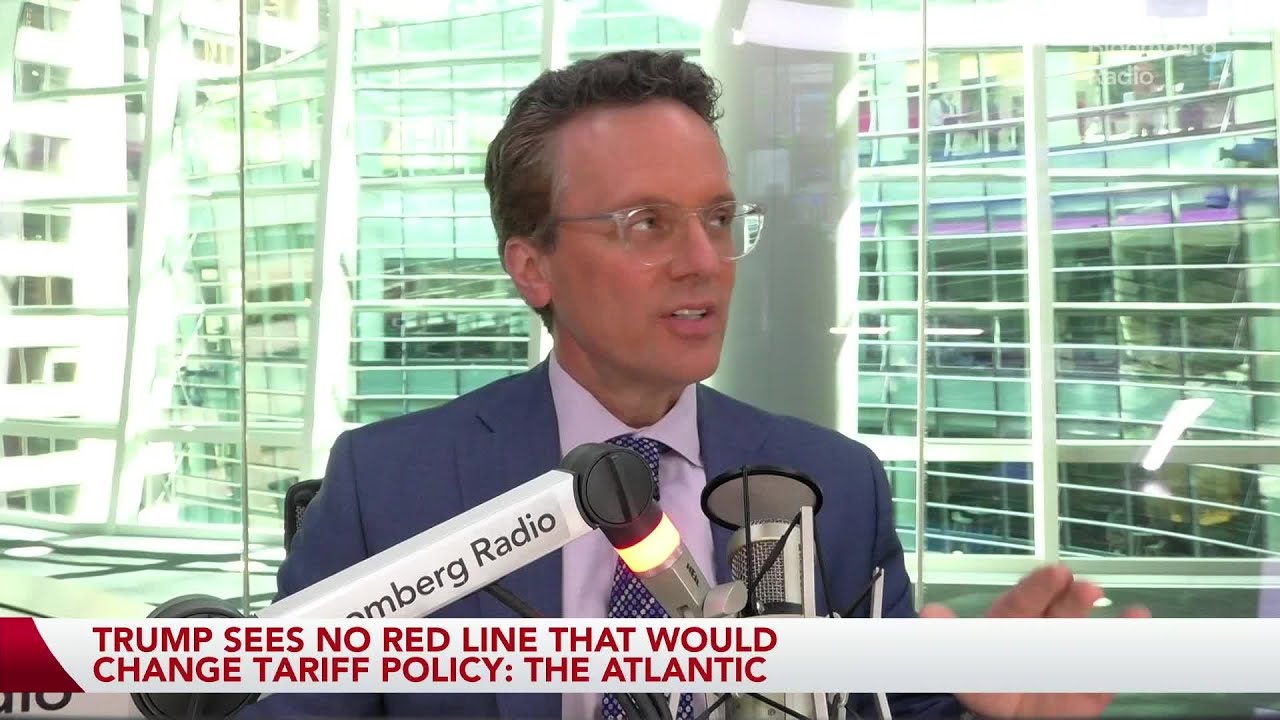
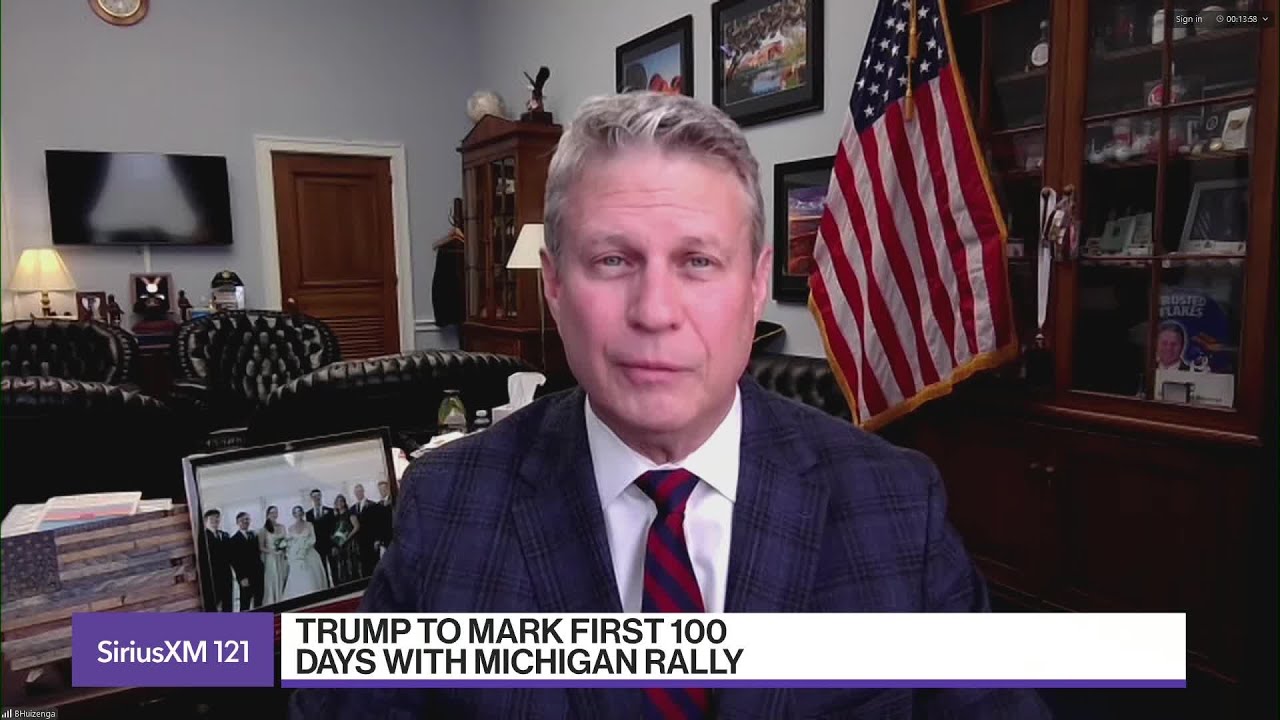
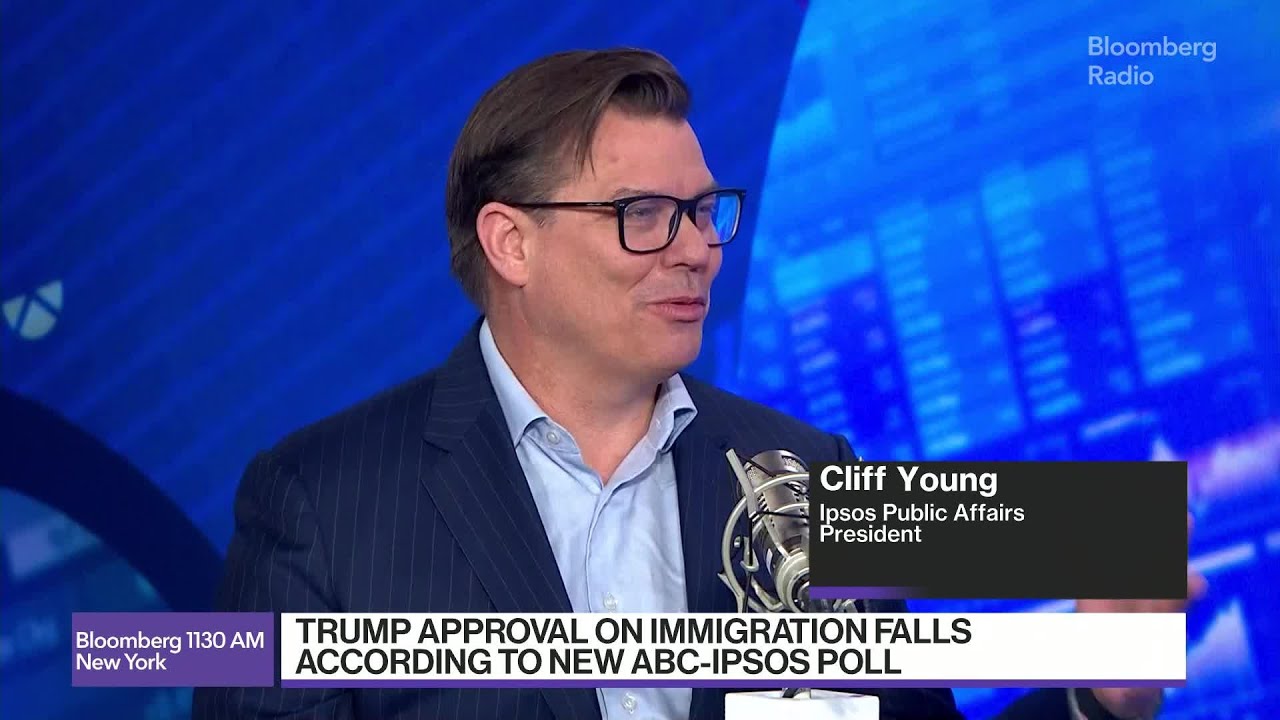
Cliff Young, President of Ipsos Public Affairs breaks down their recent polling with Post-ABC-Ipsos on where Trump approval is in the first 100 days of his presidency.
The action certainly has been explosive — just not in the way investors were hoping. By April 30, Trump will have closed out his first 100 days in office. Despite last week’s rally, the S&P 500 Index is down about 8% since his inauguration and on track for its worst run during a president’s first 100 days since Gerald Ford in 1974, following Richard Nixon’s resignation.
It’s a U-turn few on Wall Street saw coming after two straight years of over 20% gains and what was expected to be a pro-growth agenda. Instead, markets swung wildly as Trump slapped tariffs on basically every country where US companies operate — and then suspended some, carved out exceptions for certain industries, and ratcheted up the trade war with China.
The disruptions, combined with the administration’s aggressive push to deport undocumented workers and its mass firings of federal employees, unnerved investors and sent the S&P 500 spinning into its seventh-fastest correction since 1929.
“It was an extreme, for-the-textbooks, systematic risk in its purest form,” said Mark Malek, chief investment officer at Siebert. “The volatility has been wholly different from anything we have experienced in the past, and it indiscriminately spread through all sectors and asset classes like a wildfire, constantly being fueled by random sound bites and shifting policy moves.”
Traders went all in on the America First bet immediately after Trump’s election victory, sending the S&P 500 to its best post-election gain ever. The thinking was the administration would loosen regulations and lower taxes, which would boost growth. But the president has instead focused on his tariff fight, sending markets spinning with each new announcement of levies on trade partners.
“What he was elected for was ‘Make America Great Again,’ the ‘economy will be booming,’” said Eric Diton, president and managing director at Wealth Alliance. “But all the trade uncertainty has actually detracted from economic growth.”
Whiplash After Whiplash
The S&P 500 lost more than 10% in two sessions earlier this month after Trump imposed the steepest US tariffs in a century on April 2. It then soared a week later when the administration reversed direction and delayed most of the duties for 90 days. Stocks have bounced around since then, but traders have struggled to find a direction. Futures on the S&P 500 Index were down 0.1% on Monda morning as traders assessed the latest tariff developments.
“It was whiplash after whiplash after whiplash,” said Dave Lutz, macro strategist at JonesTrading and a 30-year Wall Street veteran.
And Wall Street is bracing for more. Speculators just widened their net-short position on S&P 500 futures to the highest since December, according to the latest CFTC data released on Friday.
The declines in equities since Trump’s inauguration on Jan. 20 have been led by the consumer discretionary and information technology sectors, with footwear company Deckers Outdoor Corp., semiconductor equipment manufacturer Teradyne Inc. and specialty chemicals producer Albemarle Corp. among the biggest losers. Other companies with struggling share prices include Elon Musk’s electric-vehicle maker Tesla Inc., United Airlines Holdings Inc., Delta Air Lines Inc., and Norwegian Cruise Line Holdings Ltd.
Consumer goods makers and the chip industry are grappling with the risk of higher costs from new tariffs, while travel companies are expected to feel the pinch as consumers tighten their purse strings if the economy starts struggling.
--------
Watch Bloomberg Radio LIVE on YouTube
Weekdays 7am-6pm ET
Follow us on X
Subscribe to our Podcasts:
Bloomberg Daybreak
Bloomberg Surveillance
Bloomberg Intelligence
Balance of Power
Bloomberg Businessweek
Listen on Apple CarPlay and Android Auto with the Bloomberg Business app:
Apple CarPlay
Android Auto
Visit our YouTube channels:
Bloomberg Podcasts
Bloomberg Television
Bloomberg Originals
Sentinel Indexing in Progress
Metadata and chapters are available. Claim extraction for this episode is pending.
All video content is delivered via YouTube embedded players in accordance with the YouTube Terms of Service. Sentinel provides research tools that promote discovery and accountability across political media.