Bloomberg Podcasts
@bloombergpodcasts·503K subscribers·32.4K videos
US-Canada Relations Are Jarring, Unsettling: Former US Ambassador to Canada
Posted
May 6, 2025
Views
7,742
Likes
148
Comments
55
Engagement
May 6, 2025
7,742
148
55
2.62%
Every word spoken in this episode is indexed. Type any phrase to jump straight to the moment it was said.
Type any word or phrase that may have been spoken. Click a result to seek the player to that exact moment.
Try a name, a topic, or a quoted line
See what was published immediately before and after this episode.
 6:24Now Playing
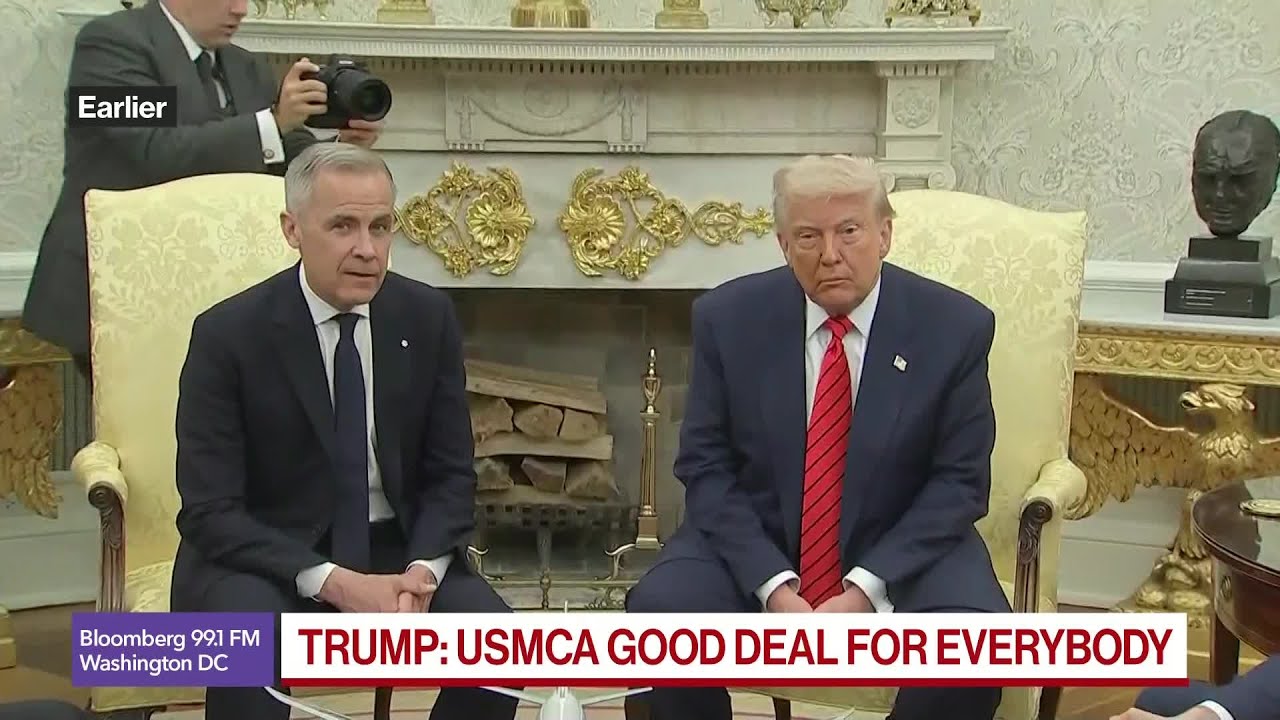
Bruce Heyman, former US Ambassador to Canada, reacts to the Oval Office meeting between President Trump and Prime Minister Carney and what their interactions reveal about the future of tense US-Canada relations.
rime Minister Mark Carney had a clear strategy for telling President Donald Trump to his face that Canada won’t become the 51st US state: put it in the language of a land deal.
“As you know from real estate, there are some places that are never for sale,” Carney told Trump during their meeting at the White House on Tuesday, with television cameras rolling. “We’re sitting in one right now.”
Carney then referred to Canada’s election on April 28, when his Liberal Party won a fourth straight term on a message of standing up against aggression from the Trump administration. “Having met with the owners of Canada over the course of the campaign the last several months, it’s not for sale, won’t be for sale,” the prime minister said.
It was a line aimed at defusing the sensitive issue of Trump’s frequent musings about annexing Canada, comments that have generated enormous backlash among Canadians and that played a factor in why the Liberals beat the Conservative Party in last week’s vote.
“Never say never,” Trump responded to Carney, prompting Carney to start mouthing the word “never” with a smile on his face.
Although Trump outlined all his reasons for why Canada would benefit from US statehood, such as lower taxes and a stronger military, he also used softer language on the issue than in the past.
“But we’re not going to be discussing that unless someone wants to discuss it,” Trump said, saying it “takes two to tango.”
It’s a contrast from his comments in January, when Trump unsettled Canadians by saying the US might try to use “economic force” to coerce Canada into becoming a state.
Carney’s predecessor, Justin Trudeau, later told reporters he believed Trump was using tariffs to weaken Canada economically and make it easier to acquire.
“This is the beginning of a reset moment and I think it’s an important one for our bilateral relationship,” Bruce Heyman, a former US ambassador to Canada who’s now chief executive officer of Power Sustainable, said on Bloomberg Television. “People are upset in Canada, and I think we need to find a pathway to fix this, and I think this is a good day to start.”
--------
Watch Bloomberg Radio LIVE on YouTube
Weekdays 7am-6pm ET
Follow us on X
Subscribe to our Podcasts:
Bloomberg Daybreak
Bloomberg Surveillance
Bloomberg Intelligence
Balance of Power
Bloomberg Businessweek
Listen on Apple CarPlay and Android Auto with the Bloomberg Business app:
Apple CarPlay
Android Auto
Visit our YouTube channels:
Bloomberg Podcasts
Bloomberg Television
Bloomberg Originals
Sentinel Indexing in Progress
Metadata and chapters are available. Claim extraction for this episode is pending.
All video content is delivered via YouTube embedded players in accordance with the YouTube Terms of Service. Sentinel provides research tools that promote discovery and accountability across political media.