Bloomberg Podcasts
@bloombergpodcasts·503K subscribers·32.4K videos
Rare Earths Keep US, China Linked Amid Trade Talks
Posted
June 9, 2025
Views
4,525
Likes
47
Comments
33
Engagement
1.77%
June 9, 2025
4,525
47
33
1.77%
Every word spoken in this episode is indexed. Type any phrase to jump straight to the moment it was said.
Type any word or phrase that may have been spoken. Click a result to seek the player to that exact moment.
Try a name, a topic, or a quoted line
See what was published immediately before and after this episode.
 5:53Now Playing
Gracelin Baskarian, Director of the Critical Minerals Security Program at CSIS, breaks down the rare earth supply chain that keeps the US and China connected, as tech innovation grows increasingly reliant on the materials.
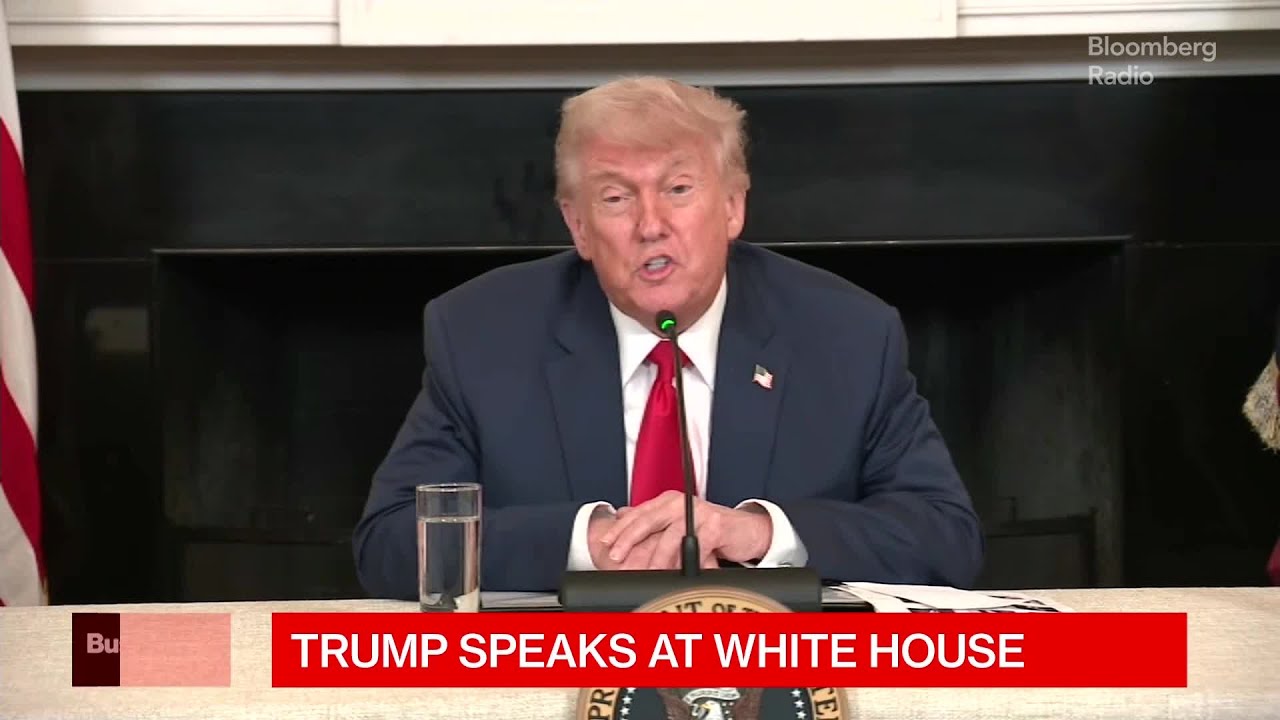
The US and China are set to resume trade negotiations in London on Monday in a bid to further defuse tensions over rare-earth minerals and advanced technology following a phone call between leaders Donald Trump and Xi Jinping last week.
Both sides have accused the other of reneging on a deal in Geneva in May, when they reached an agreement to at least temporarily lower tariffs that had climbed to more than 100%. After reaching an understanding with Xi on resuming flows of critical minerals, Trump said he expected the London meeting to go “very well.”
China said Saturday it approved some applications for rare-earth exports, without specifying which countries or industries were involved.
“We want the rare earths, the magnets that are crucial for cell phones and everything else to flow just as they did before the beginning of April, and we don’t want any technical details slowing that down,” Kevin Hassett, head of the National Economic Council at the White House, said Sunday on CBS’s Face the Nation. “And that’s clear to them.”
US-China trade tensions escalated this year as Trump hiked duties on Chinese goods, prompting retaliation from Beijing. While the Geneva deal was meant to pave the way for a broader de-escalation, subsequent talks quickly stalled amid mutual recriminations.
The US complained about a decline in shipments of rare-earth magnets essential for American electric vehicles and defense systems. China bristled at US restrictions on artificial intelligence chips from Huawei Technologies Co., software for designing chips, plane engines and visas for upwards of 280,000 Chinese students.
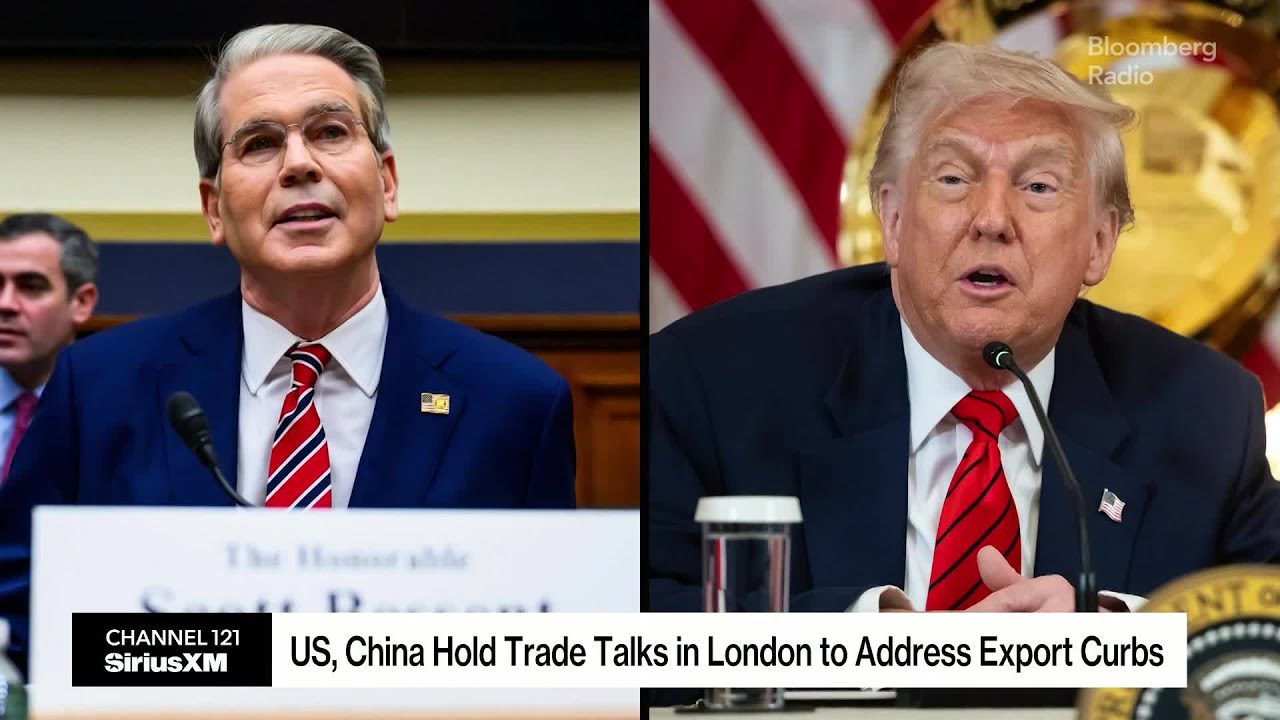
In London, US Treasury Secretary Scott Bessent, Commerce Secretary Howard Lutnick and US Trade Representative Jamieson Greer will meet a Chinese delegation led by Vice Premier He Lifeng. The addition of Lutnick, who’s in charge of curbs on the sale of advanced technology, signals Trump may be willing to consider reversing some of the restrictions that threaten to hobble China’s long-term growth ambitions.
--------
Watch Bloomberg Radio LIVE on YouTube
Weekdays 7am-6pm ET
Follow us on X
Subscribe to our Podcasts:
Bloomberg Daybreak
Bloomberg Surveillance
Bloomberg Intelligence
Balance of Power
Bloomberg Businessweek
Listen on Apple CarPlay and Android Auto with the Bloomberg Business app:
Apple CarPlay
Android Auto
Visit our YouTube channels:
Bloomberg Podcasts
Bloomberg Television
Bloomberg Originals
Sentinel Indexing in Progress
Metadata and chapters are available. Claim extraction for this episode is pending.
All video content is delivered via YouTube embedded players in accordance with the YouTube Terms of Service. Sentinel provides research tools that promote discovery and accountability across political media.