Bloomberg Podcasts
@bloombergpodcasts·503K subscribers·32.4K videos
US Core Inflation Rises Less Than Forecast for Fourth Month
Posted
June 11, 2025
Views
4,044
Likes
22
Comments
3
Engagement
June 11, 2025
4,044
22
3
0.62%
Every word spoken in this episode is indexed. Type any phrase to jump straight to the moment it was said.
Type any word or phrase that may have been spoken. Click a result to seek the player to that exact moment.
Try a name, a topic, or a quoted line
See what was published immediately before and after this episode.
 2:47Now Playing
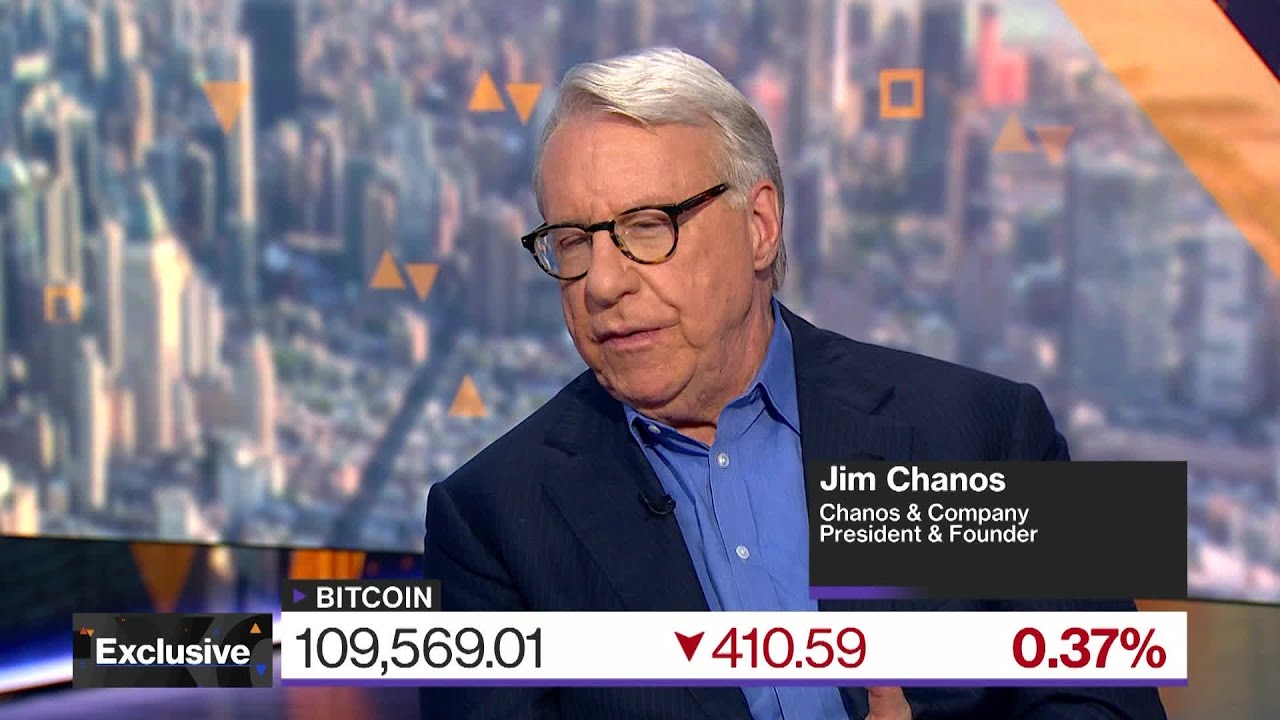
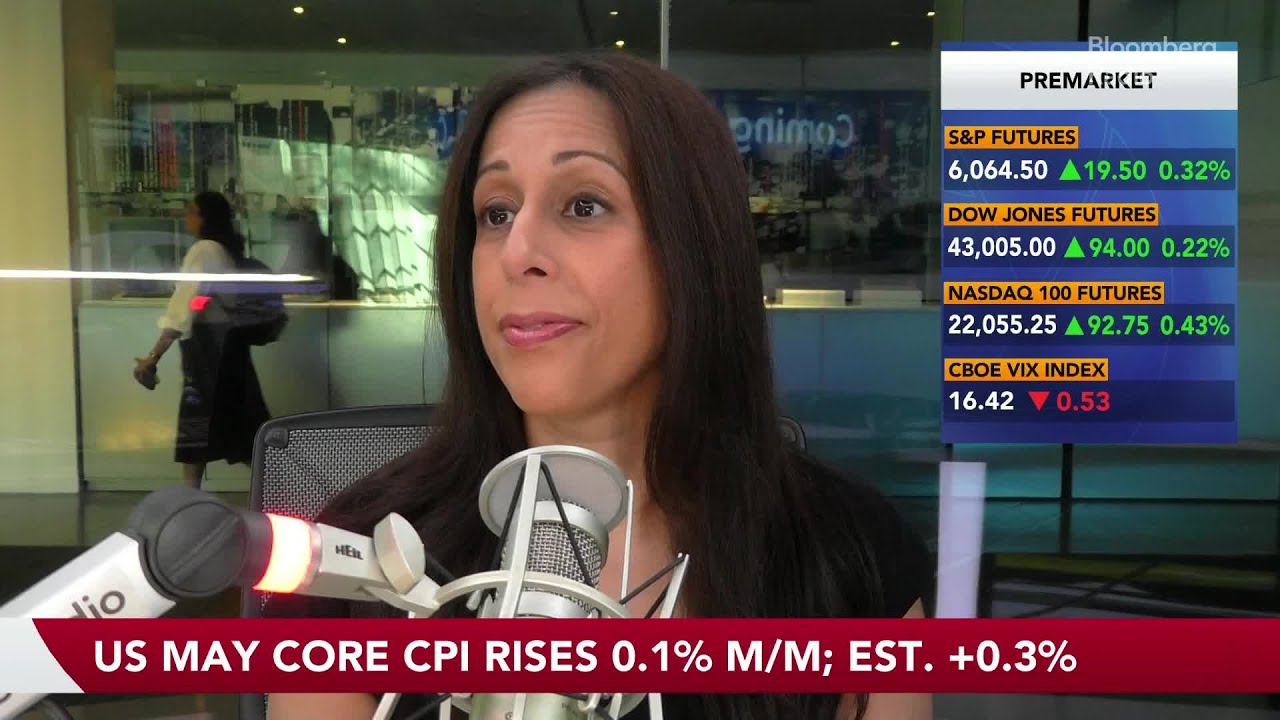
Mona Mahajan, Senior Investment Strategist at Edward Jonesr reacts to the CPI reading.
Underlying US inflation rose in May by less than forecast for the fourth month in a row, suggesting companies are largely holding back on passing higher tariff costs through to consumers.
The consumer price index, excluding the often volatile food and energy categories, increased 0.1% from April, according to Bureau of Labor Statistics data out Wednesday. From a year ago, it rose 2.8%.
Goods prices, excluding food and energy commodities, were unchanged. New and used-car prices both declined, as did apparel. Meanwhile, services prices minus energy rose 0.2%, a deceleration from the prior month and reflecting a decline in airfares and hotel stays.
Treasuries rallied, the dollar declined and the S&P 500 opened higher after the report. Interest-rate swaps showed traders see a 75% probability that the Federal Reserve will cut borrowing costs by September.
The string of below-forecast inflation readings adds to evidence that consumers have yet to feel the pinch of President Donald Trump’s tariffs — perhaps because the most punitive levies have temporarily been on pause, or thanks to companies so far absorbing the extra costs or boosting inventory ahead of tariffs.
However, if higher tariffs set in, shielding consumers from those costs will become more difficult, which is partly why economists expect firms to raise prices more meaningfully in the coming months.
“The build-up of inventory in advance of the tariff hikes may be contributing to delayed pass through, while huge uncertainty in US trade policy may have affected the speed with which firms wish to adjust prices,” Brian Coulton, chief economist at Fitch Ratings, said in a note. “But a rise in core goods inflation in the months ahead still looks very likely.”
The risk is that consumers, who are still reeling from years of elevated inflation in the aftermath of the pandemic, will only tolerate so much and eventually pull back spending. Companies like JM Smucker Co. — which owns brands like Folgers coffee and Twinkies — as well as Best Buy Co. have said that will weigh on profit, at the same time forecasters see slower economic growth.
Given the limited pass-through to inflation so far, a steady labor market and continued uncertainty surrounding Trump’s policies, the Fed is widely expected to keep interest rates on hold at next week’s meeting. Nonetheless, with inflation cooling along with the labor market, officials may face more pressure to lower borrowing costs soon.
“For the Fed, the most important caveat is that it’s still a little early,” said Mike Pugliese, senior economist for Wells Fargo. “I don’t think they’re going to put too much weight on one single month’s report given how much has happened over the past couple months.”
Some categories more exposed to higher import duties did show notable increases. Prices of toys rose by the most since 2023, while the costs of major appliances posted the largest advance in nearly five years.
Meanwhile, prices of gasoline — which aren’t included in the core CPI — dropped 2.6%, helping to limit the gain in the overall CPI.
In testimony prepared for a Congress hearing on Wednesday, Treasury Secretary Scott Bessent credited Trump’s policies for the inflation slowdown, saying the president challenged a “decades-old status quo” on trade.
Grocery Prices
However, prices for groceries rose 0.3% after declining in April. While shoppers saw higher costs for cereals, fish and bacon, egg prices dropped almost 3%. Ground beef prices rose, likely stemming from a record low cattle herd and high demand.
One of the key drivers of inflation in recent years has been housing costs — the largest category within services. Shelter prices rose 0.3% for a second month.
Excluding housing and energy, services prices rose 0.1%, a deceleration from the prior month. From a year ago, those costs advanced 2.9%. In addition to declines in travel-related categories, recreational services, including admissions to sporting events, also declined in a sign of a pullback in discretionary spending.
--------
Watch Bloomberg Radio LIVE on YouTube
Weekdays 7am-6pm ET
Follow us on X
Subscribe to our Podcasts:
Bloomberg Daybreak
Bloomberg Surveillance
Bloomberg Intelligence
Balance of Power
Bloomberg Businessweek
Listen on Apple CarPlay and Android Auto with the Bloomberg Business app:
Apple CarPlay
Android Auto
Visit our YouTube channels:
Bloomberg Podcasts
Bloomberg Television
Bloomberg Originals
Sentinel Indexing in Progress
Metadata and chapters are available. Claim extraction for this episode is pending.
All video content is delivered via YouTube embedded players in accordance with the YouTube Terms of Service. Sentinel provides research tools that promote discovery and accountability across political media.