Bloomberg Podcasts
@bloombergpodcasts·503K subscribers·32.4K videos
US Economy Has Been 'Relying on Kindness of Strangers' For 3 Years
Posted
June 12, 2025
Views
20,691
Likes
274
Comments
43
Engagement
June 12, 2025
20,691
274
43
1.53%
Every word spoken in this episode is indexed. Type any phrase to jump straight to the moment it was said.
Type any word or phrase that may have been spoken. Click a result to seek the player to that exact moment.
Try a name, a topic, or a quoted line
See what was published immediately before and after this episode.
 6:58Now Playing
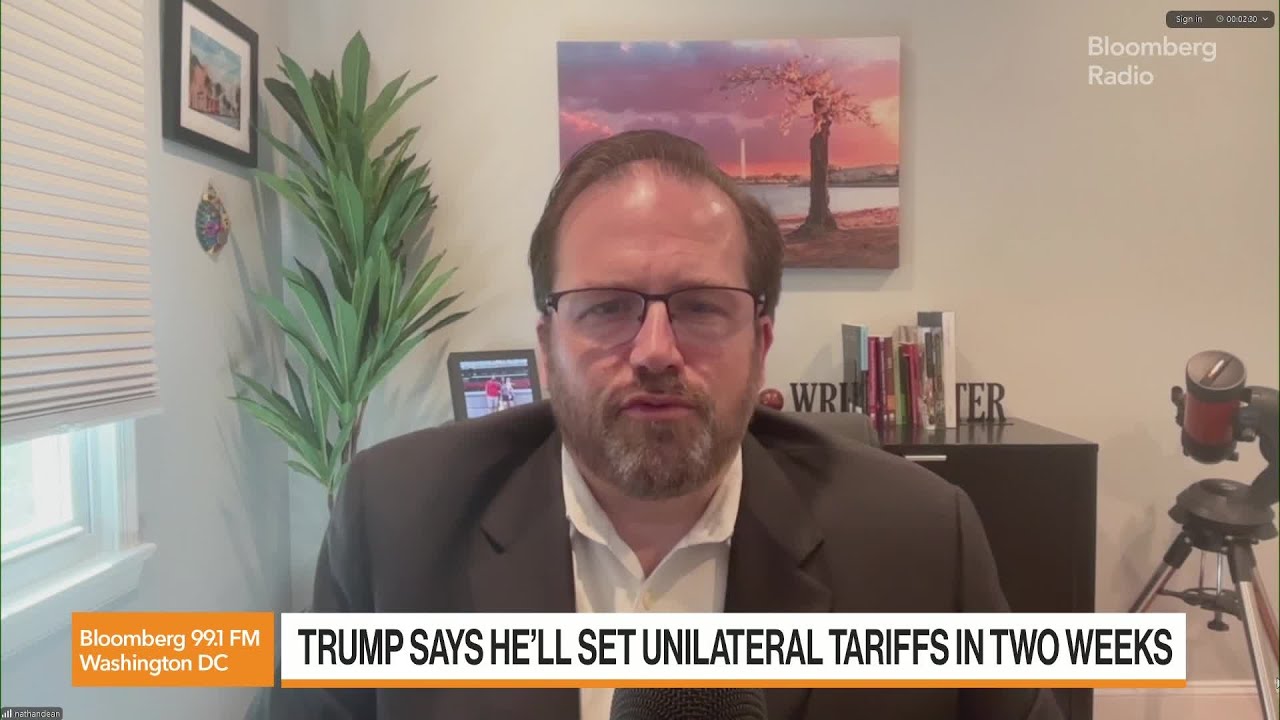
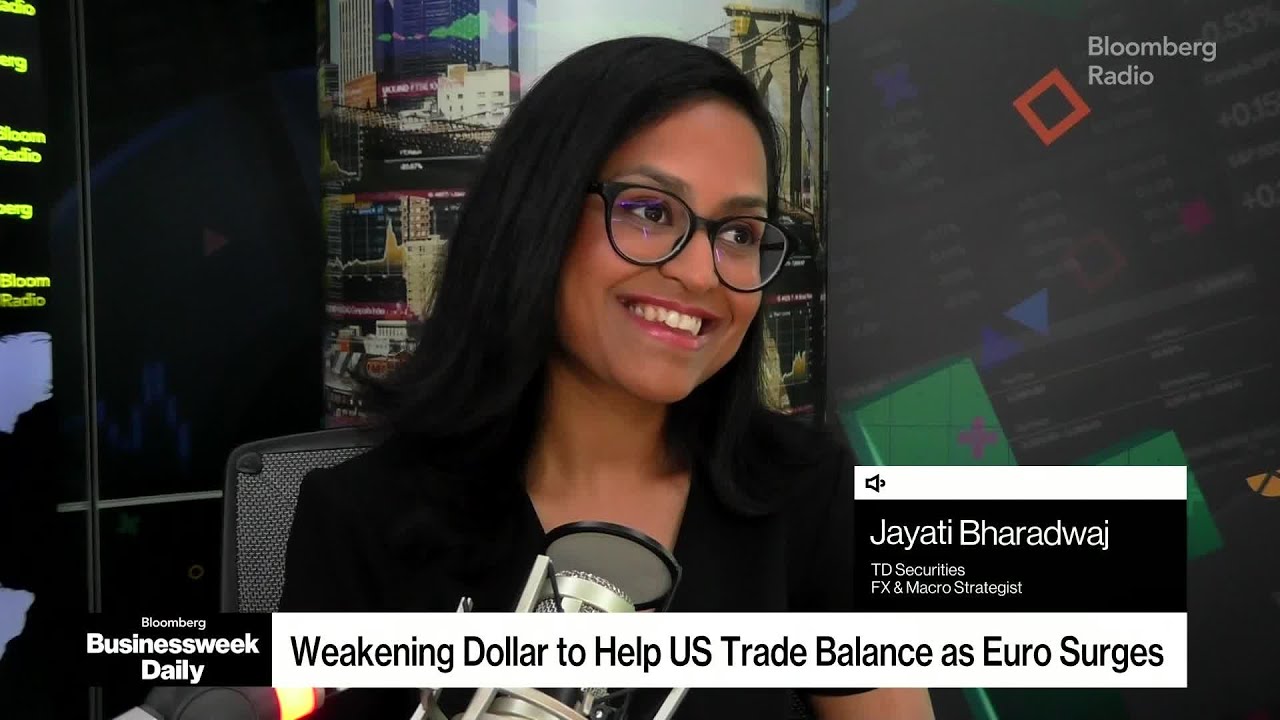
Jayati Bharadwaj, FX and macro strategist at TD Securities, breaks down why the US Dollar has remained weak, even as other economic indicators are strong amid Trump's trade war.
The dollar fell to the weakest level in three years amid worries over US tariffs and the outlook for the US economy.
The Bloomberg Dollar Spot Index slid as much as 0.8% on Thursday to touch the lowest level since April 2022. The euro jumped to the strongest since 2021, while the British pound tapped a new three-year high. All currencies in the Group of 10 gained against the greenback.
The latest declines come on the heels of Thursday data that showed US producer price inflation remained muted in May, held down by tame goods and services costs, which together with other data pushed traders to bet on more interest-rate cuts by the Federal Reserve. The Fed is set to hold its next policy meeting on June 18. Earlier in the Thursday session, the dollar came under pressure as President Donald Trump said he would notify trading partners soon of unilateral levies.
“Trump renewed tariff threats are sparking concerns over US economy, which trickles down to increased bets of Fed easing,” said Helen Given, a foreign-exchange trader at Monex Inc., adding that the dollar index could fall 5% to 6% further this year.
Paul Tudor Jones, the founder of macro hedge fund Tudor Investment Corp., said the dollar may be 10% lower a year from now as he expects to see short-term rates to be cut “dramatically” in the next year.
So far in 2025, the dollar is down more than 8% as investors build up bets that Trump’s trade and tax policies will weigh on the economy. Wall Street strategists have been warning that the dollar has more room to fall, aligning themselves with speculative traders tracked by the Commodity Futures Trading Commission who hold some $12.2 billion of wagers tied to the dollar weakening further.
The concern remains that the US could experience a spike in inflation and start sliding toward a recession amid Trump’s sweeping tariffs on imports. This has investors poring over incoming economic data, especially on the labor market, to determine the path of interest rates in the US.
Recurring applications for US unemployment benefits rose to the highest since the end of 2021 in the week ended May 31, suggesting that out-of-work people are struggling to find employment. Activity at US service providers slipped into contraction territory last month for the first time in nearly a year on an abrupt pullback in demand, the Institute for Supply Management’s index of services showed.
Ahead of possible tariff impact, underlying US inflation accelerated in May by less than forecast for the fourth month in a row.
On Thursday, an auction of 30-year Treasuries drew solid demand, indicating that buyers of long-dated US government bonds see value in them despite concern that’s been mounting about spending and rising debt levels.
--------
Watch Bloomberg Radio LIVE on YouTube
Weekdays 7am-6pm ET
Follow us on X
Subscribe to our Podcasts:
Bloomberg Daybreak
Bloomberg Surveillance
Bloomberg Intelligence
Balance of Power
Bloomberg Businessweek
Listen on Apple CarPlay and Android Auto with the Bloomberg Business app:
Apple CarPlay
Android Auto
Visit our YouTube channels:
Bloomberg Podcasts
Bloomberg Television
Bloomberg Originals
Sentinel Indexing in Progress
Metadata and chapters are available. Claim extraction for this episode is pending.
All video content is delivered via YouTube embedded players in accordance with the YouTube Terms of Service. Sentinel provides research tools that promote discovery and accountability across political media.