
Oil ‘In the Crosshairs’ as Middle East Crisis Escalates
June 16, 2025
855
15
1.75%
Search the Record
IndexedEvery word spoken in this episode is indexed. Type any phrase to jump straight to the moment it was said.
Type any word or phrase that may have been spoken. Click a result to seek the player to that exact moment.
Try a name, a topic, or a quoted line
Bloomberg Podcasts Episodes Around June 16, 2025
See what was published immediately before and after this episode.



 6:34Now Playing
Oil ‘In the Crosshairs’ as Middle East Crisis Escalates
YouTube Description
as posted by the channelOil supplies from the Middle East face increasing risk due to the conflict between Israel and Iran, with energy infrastructure already being targeted.
Possible scenarios include Israel striking Tehran's Kharg Island hub to curb crude flows, and Iranian proxies hitting facilities in Iraq.
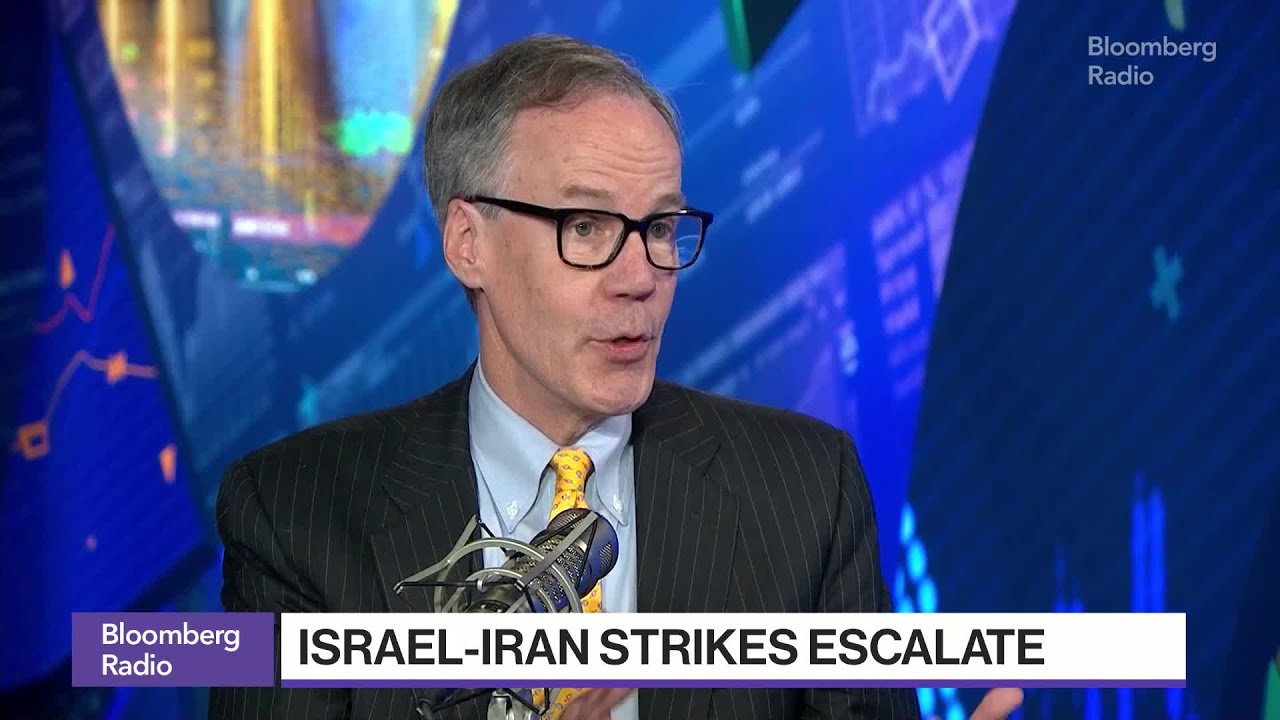
The conflict has rocked the oil market, with global benchmark Brent spiking, and banks are examining possible outcomes, including disruptions to oil flows through the Strait of Hormuz. Ellen Wald, President of Transversal Consulting, joins Bloomberg Intelligence to discuss impact of Mideast conflict on commodities.
Oil fell on the WSJ report, with Brent futures dropping around 4% — they rose over 10% Friday. US Treasuries pared earlier drops and European bonds gained as traders reacted to diminishing concerns about inflation.
It’s not clear whether Israel would agree to stop missile strikes. Israeli officials have said they want to ensure Iran doesn’t have the capacity to build a nuclear weapon.
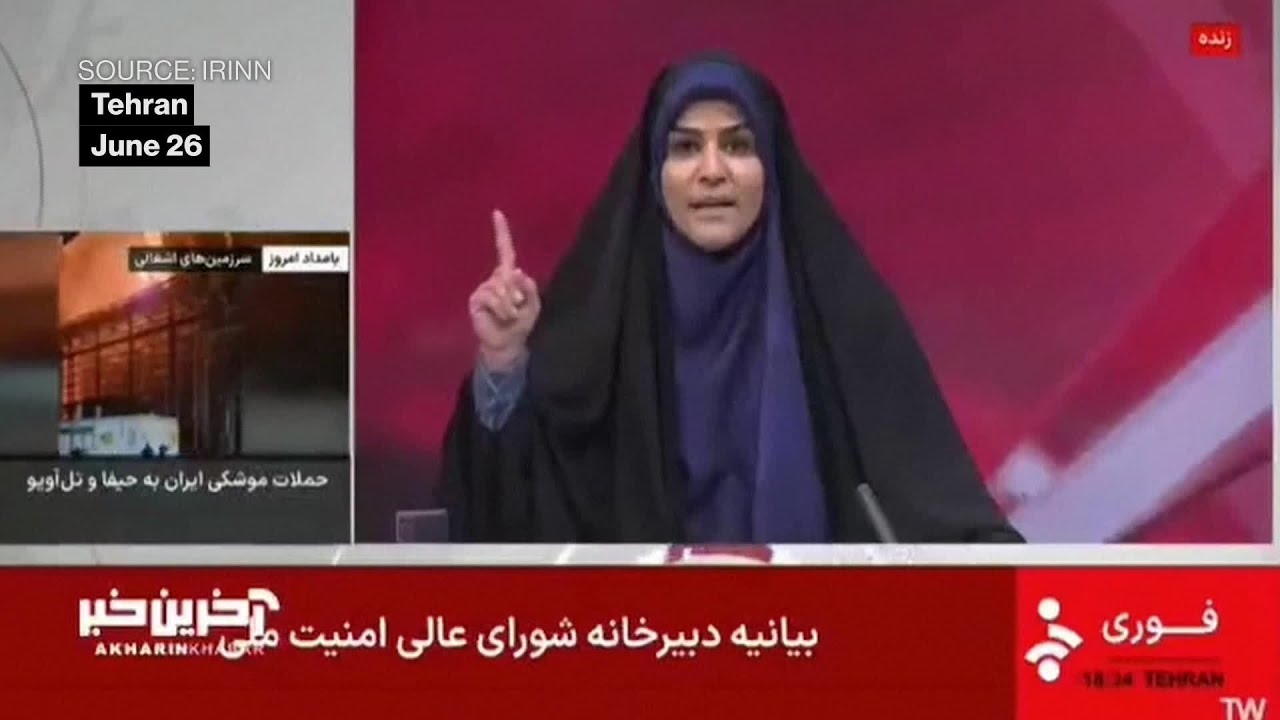
The exchange of missile salvos between Israel and Iran is the most serious escalation after years of shadow war. Analysts fear it might push the Middle East into a regional conflict, causing wider human loss and potentially disrupting energy flows and vital trade routes.
One missile landed near the US consulate in central Tel Aviv, causing minor material damages but no injuries to personnel, the ambassador to Israel, Mike Huckabee, said Monday. Many cars were crushed and buildings damaged in the area of the city where the strike happened.
For Iran’s government, the showdown poses an existential dilemma. It can’t risk appearing weak, yet its options are shrinking. Proxy forces across the region, which regularly rallied to its support in the past, have been debilitated by Israeli action over the past 20 months. Hezbollah, the Lebanese militia the US and others designate as a terrorist group, is noticeably absent from the conflict and hasn’t signaled it will start attacks on Israel.
Tensions between the arch-enemies erupted into full-blown conflict on Friday, when Israel attacked Iranian military and nuclear sites, and killed several top generals and atomic scientists. Since then, it has achieved air superiority over large parts of Iran, including Tehran, and degraded the ability of the Islamic Republic to defend against its strikes.
Iran has countered by firing drones and ballistic missiles at the Jewish state. Israel believes Iran still has thousands of missiles left, according to National Security Adviser Tzachi Hanegbi, who spoke in an interview with the Army Radio.
US President Donald Trump has sent contradicting signals since the onset of the Israeli attacks. He first urged Iran to reach a nuclear deal and, on Sunday, added it and Israel “should make a deal, and will make a deal.”
“We will have PEACE, soon, between Israel and Iran!” he said on Truth Social. “Many calls and meetings now taking place.”
Yet, shortly after, he also said “but sometimes they have to fight it out.”
--------
Watch Bloomberg Radio LIVE on YouTube
Weekdays 7am-6pm ET
Follow us on X
Subscribe to our Podcasts:
Bloomberg Daybreak
Bloomberg Surveillance
Bloomberg Intelligence
Balance of Power
Bloomberg Businessweek
Listen on Apple CarPlay and Android Auto with the Bloomberg Business app:
Apple CarPlay
Android Auto
Visit our YouTube channels:
Bloomberg Podcasts
Bloomberg Television
Bloomberg Originals
Guests & Subjects Covered
Sentinel Indexing in Progress
Metadata and chapters are available. Claim extraction for this episode is pending.
All video content is delivered via YouTube embedded players in accordance with the YouTube Terms of Service. Sentinel provides research tools that promote discovery and accountability across political media.