Bloomberg Podcasts
@bloombergpodcasts·503K subscribers·32.4K videos
Iran-Israel Cease Fire Holds Amid Questions About Lasting Impact of US Strikes
Posted
June 24, 2025
Views
771
Likes
7
Engagement
0.91%
June 24, 2025
771
7
0.91%
Every word spoken in this episode is indexed. Type any phrase to jump straight to the moment it was said.
Type any word or phrase that may have been spoken. Click a result to seek the player to that exact moment.
Try a name, a topic, or a quoted line
 10:25Now Playing
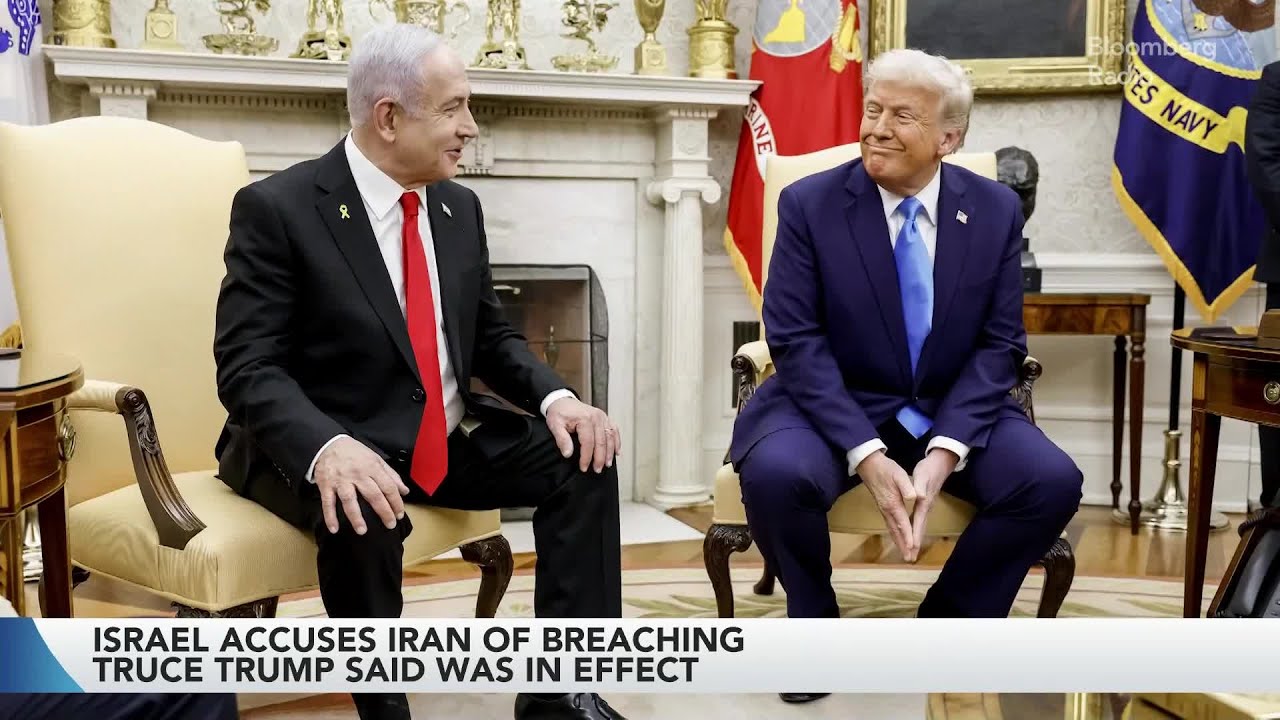
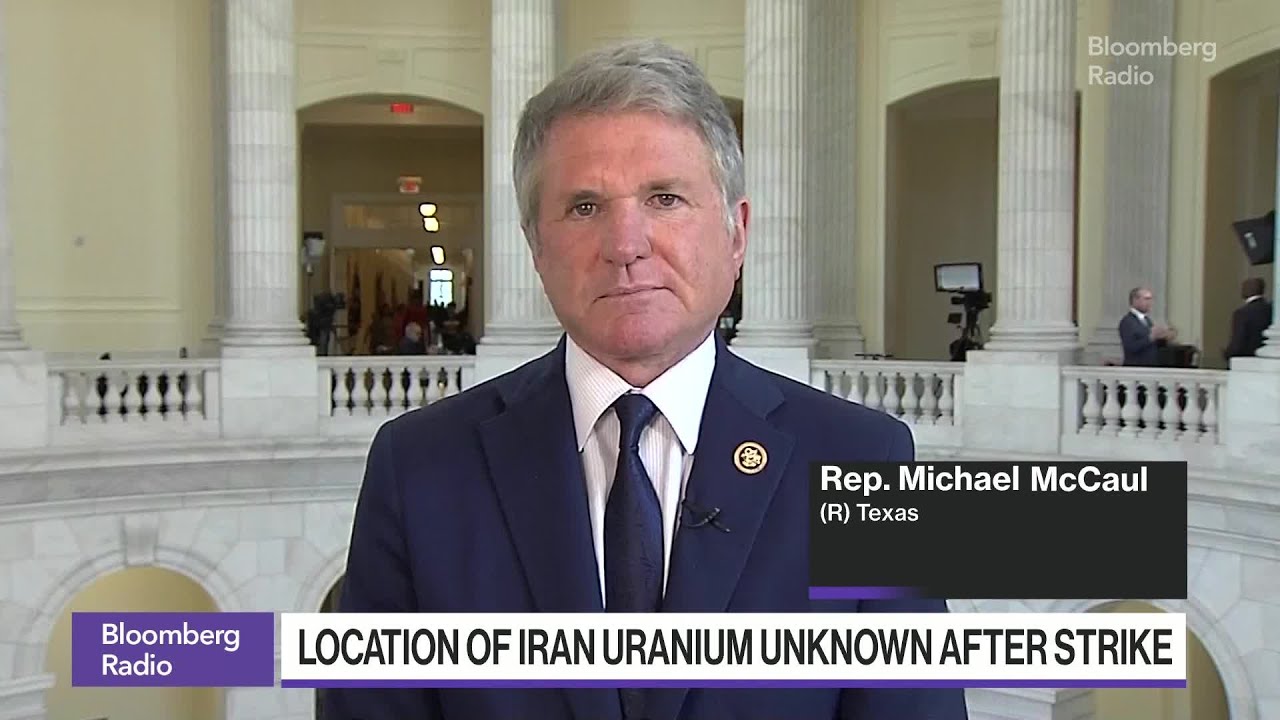
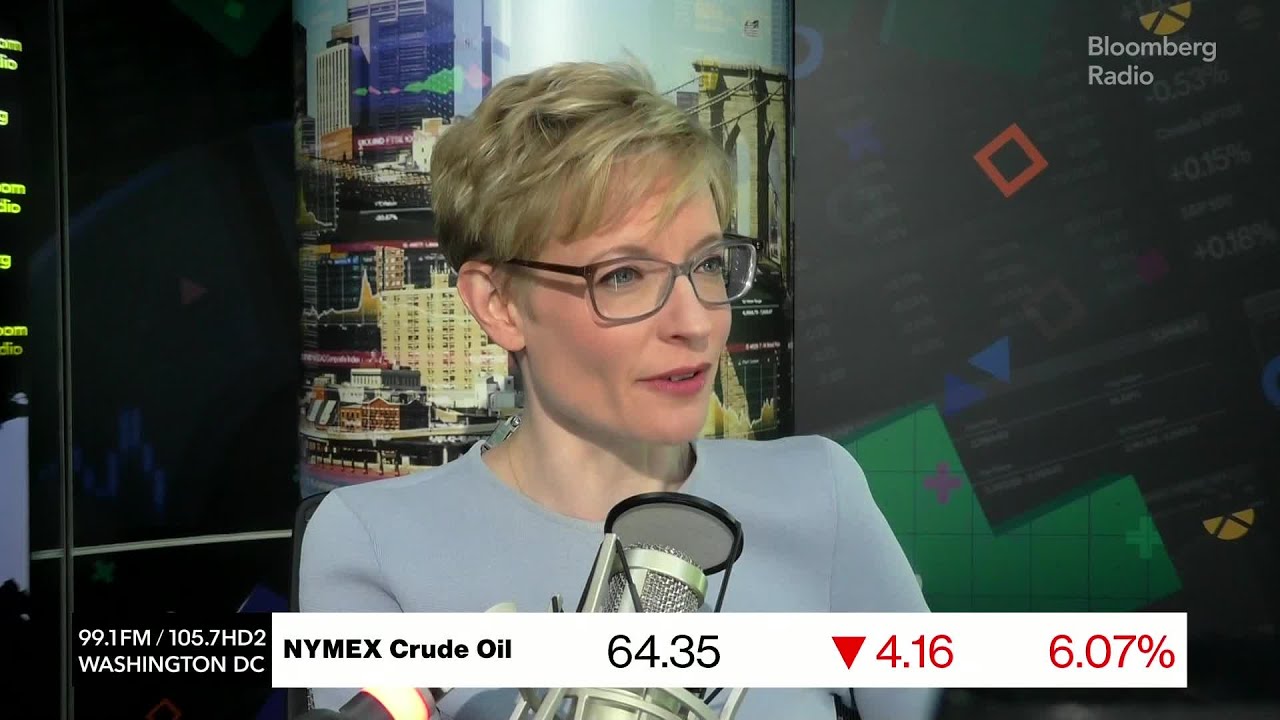
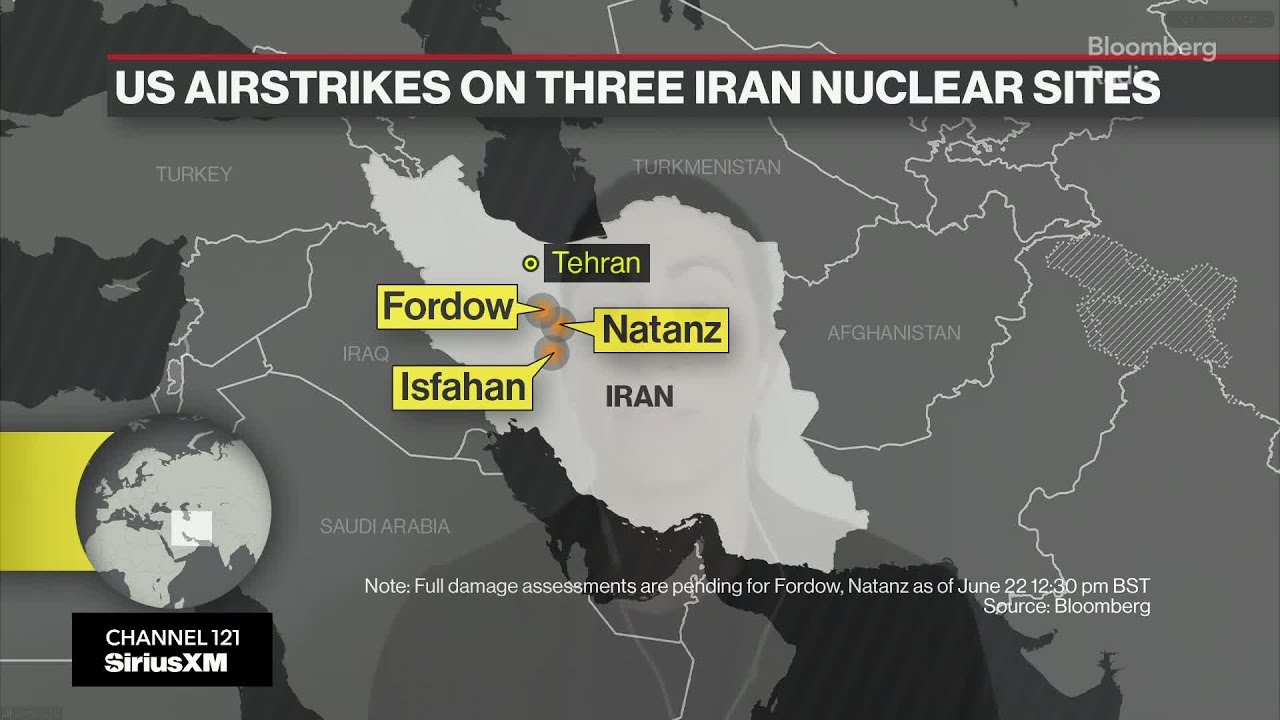
Bloomberg's Dina Esfandiary breaks down the current state of tensions between Iran and Israel as a tenuous cease fire appears to hold between the two countries. Questions remain about the lasting impact on the larger region and the state of Iran's nuclear program.
As the night sky lit up with Iranian missiles being intercepted on Monday, people across Doha were on balconies and in gardens watching the show and filming it on their smartphones.
For decades, the idea of a US-Iran conflict raised the specter of World War III. Now Israel has attacked, the US has joined in and the Islamic Republic just aimed its retaliation at the biggest American military base in the Middle East.
What happened in the last 24 hours followed an equally chaotic 11 days. But on Tuesday morning, consultants in the Qatari capital and financiers in Dubai went to work as normal. Oil fell back to where it was when Israel first struck Iran on June 13; the S&P 500 ended the day higher than it began.
The reaction reveals the degree to which the unthinkable has become mundane in a region upended by Hamas’s attack on Israel on Oct. 7, 2023, and a broader sense that seemingly seismic events are quickly superseded by the next ones. But the ructions that have torn through the Middle East aren’t likely to fully reveal their impact for years to come.
While Iran is weakened and Israel triumphant, there are some concerning omens. Israel’s devastation of Gaza, the decimation of Iranian proxy militant group Hezbollah in Lebanon and last year’s swift fall of Iranian ally Bashar al-Assad in Syria have all left deep scars.
“Iran isn’t finished as a regional power,” said Hal Brands, a professor at the Johns Hopkins School of Advanced International Studies and a former Pentagon official. “It’s a big country with a lot of residual capabilities, but we’re going to see a significant regional shakeup.”
For now, many in the region just took it in their stride. Some expats in Doha said the strikes were so well telegraphed, it was as if they knew what was coming. Others panicked and took shelter in basements, closing curtains and blackout blinds in case windows shattered. Many couldn’t resist going outside to watch the missile trails.
Once the choreographed Iranian response to US strikes on its nuclear program was over, there was some worry and confusion because of a lack of information. But by Tuesday morning, it was business as usual after US President Donald Trump declared a ceasefire had been agreed.
--------
Watch Bloomberg Radio LIVE on YouTube
Weekdays 7am-6pm ET
Follow us on X
Subscribe to our Podcasts:
Bloomberg Daybreak
Bloomberg Surveillance
Bloomberg Intelligence
Balance of Power
Bloomberg Businessweek
Listen on Apple CarPlay and Android Auto with the Bloomberg Business app:
Apple CarPlay
Android Auto
Visit our YouTube channels:
Bloomberg Podcasts
Bloomberg Television
Bloomberg Originals
Sentinel Indexing in Progress
Metadata and chapters are available. Claim extraction for this episode is pending.
All video content is delivered via YouTube embedded players in accordance with the YouTube Terms of Service. Sentinel provides research tools that promote discovery and accountability across political media.