Bloomberg Podcasts
@bloombergpodcasts·503K subscribers·32.4K videos
Deadly Floods Reinforce Texas' Challenge as Crisis Epicenter
Posted
July 8, 2025
Views
2,878
Likes
47
Comments
13
Engagement
July 8, 2025
2,878
47
13
2.08%
Every word spoken in this episode is indexed. Type any phrase to jump straight to the moment it was said.
Type any word or phrase that may have been spoken. Click a result to seek the player to that exact moment.
Try a name, a topic, or a quoted line
See what was published immediately before and after this episode.
 6:53Now Playing
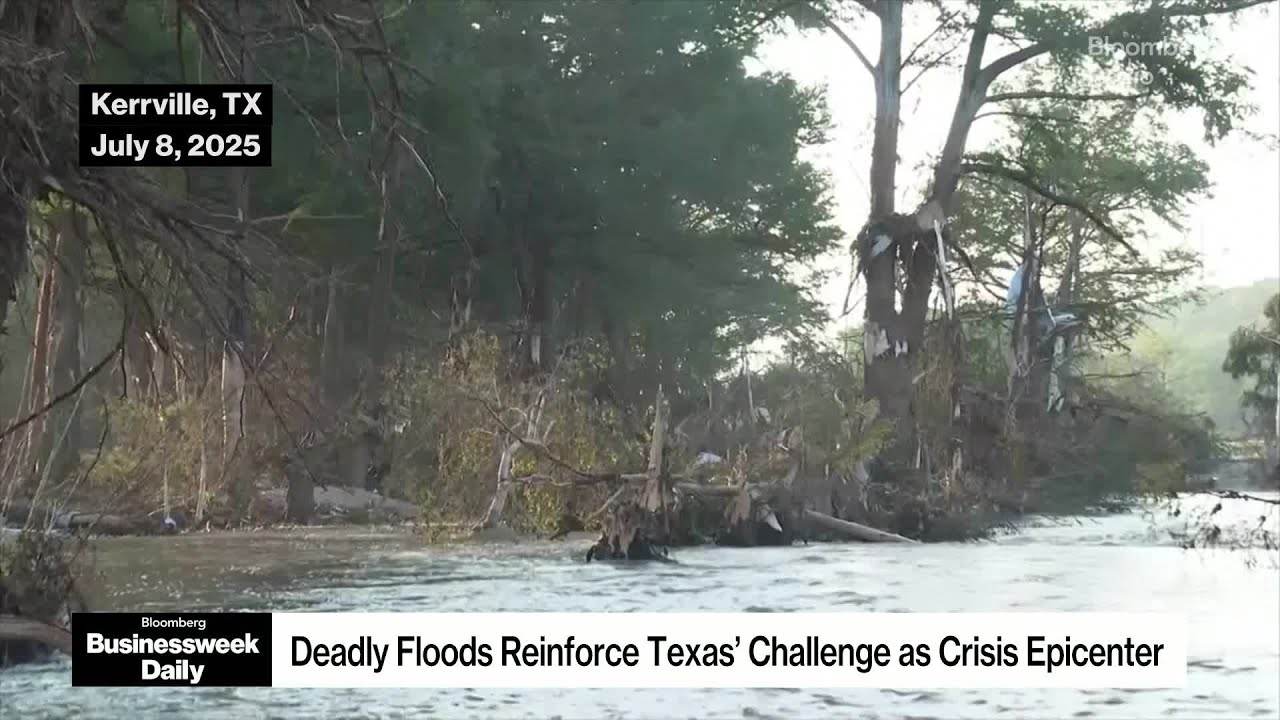
Mark Gongloff, Bloomberg Opinion editor, talks the connection between climate change and extreme weather, and the new challenges that connection poses for the National Weather Service and US disaster preparedness.
In the early hours of July 4, the only sound many of the vacationers along the banks of the Guadalupe River would have heard was pounding rain and thunder. They didn’t get any official warning of the rapidly rising waters that ultimately proved deadly to dozens of people swept away in central Texas flash floods.
Investigators sorting through the aftermath of a natural disaster that killed more than 100 people are now trying to put together what happened, identifying when weather forecasters first advised local officials about the potential for catastrophic flooding and what those officials did to spread the message to the thousands of revelers in the area for the Fourth of July holiday weekend. Information has come out in trickles and from anecdotes, with state, county and city authorities so far insisting that their focus must be on rescue and recovery, not an analysis of what went wrong.
On Tuesday, more than four full days after the catastrophe, several reporters at a news conference pressed Kerr County Sheriff Larry Leitha to detail when local officials knew floods were an issue and whether they considered ordering an evacuation.
“That is not my priority right now,” Leitha said. Officials refused to answer a question about who was monitoring for alerts or leading emergency preparedness efforts. They wouldn’t say how many people remain missing, and have no estimate of the number of people who were in the area at the time the floods struck.
What’s known for certain is that the area had a history of deadly deluges and was known locally as “Flash Flood Alley.” It lacked public alarms or warning sirens, partly due to the expense required to set them up, that could have woken people up overnight and sent them to higher ground. Weather alerts were sent to mobile phones in the area, but service is spotty in a largely rural region. Wi-fi connections that would normally have provided a backup also failed as much of the area lost power amid torrential rains.
Leitha said his team is focused on recovery operations and still putting together a timeline of what happened.
The questions are growing in intensity as search crews slogged through thick mud and debris Tuesday, looking for victims and holding out hope for more survivors, though no one has been found alive since Friday. Officials described the work as mentally and physically grueling, with unstable debris piles and high water complicating recovery efforts along the Guadalupe River. In total, 104 people have been confirmed dead across the state, and authorities say the toll is expected to rise.
Officials said 87 bodies had been recovered in Kerr County. The victims include 27 campers and counselors from Camp Mystic, a girls summer camp.
Survivors told news outlets they were awakened by barking dogs, the glare of flashing rescue lights, or the pounding storm that kept them tossing and turning through the night. Some stepped out of bed into cold water on the floor or were jolted awake by neighbors pounding on doors.
In the immediate aftermath of the floods, state and local officials had suggested that the National Weather Service’s forecasts didn’t match the severity of the situation, leaving them ill prepared to act. And indeed, while some of the service’s bulletins warned of extreme rain, the actual downpour in some places was even worse.
But the agency briefed regional emergency managers about the risks the day before the disaster and issued several warnings during the course of July 3, saying heavy rain and floods were likely. At 6:22 p.m. that day, an advisory went out that rain would drop at 3 inches per hour or more. Flash flood warnings for Bandera County went out at 11:41 p.m. Kerr County, the epicenter of the disaster, got a warning at 1:14 a.m. July 4 from the weather service. These bulletins advised of “catastrophic” flooding.
--------
Watch Bloomberg Radio LIVE on YouTube
Weekdays 7am-6pm ET
Follow us on X
Subscribe to our Podcasts:
Bloomberg Daybreak
Bloomberg Surveillance
Bloomberg Intelligence
Balance of Power
Bloomberg Businessweek
Listen on Apple CarPlay and Android Auto with the Bloomberg Business app:
Apple CarPlay
Android Auto
Visit our YouTube channels:
Bloomberg Podcasts
Bloomberg Television
Bloomberg Originals
Sentinel Indexing in Progress
Metadata and chapters are available. Claim extraction for this episode is pending.
All video content is delivered via YouTube embedded players in accordance with the YouTube Terms of Service. Sentinel provides research tools that promote discovery and accountability across political media.