Bloomberg Podcasts
@bloombergpodcasts·503K subscribers·32.4K videos
New Trade Deals Another Instance of 'Chaotic' Tariff Rollout: Boushey
Posted
July 9, 2025
Views
3,738
Likes
56
Comments
19
Engagement
July 9, 2025
3,738
56
19
2.01%
Every word spoken in this episode is indexed. Type any phrase to jump straight to the moment it was said.
Type any word or phrase that may have been spoken. Click a result to seek the player to that exact moment.
Try a name, a topic, or a quoted line
See what was published immediately before and after this episode.
 6:28Now Playing
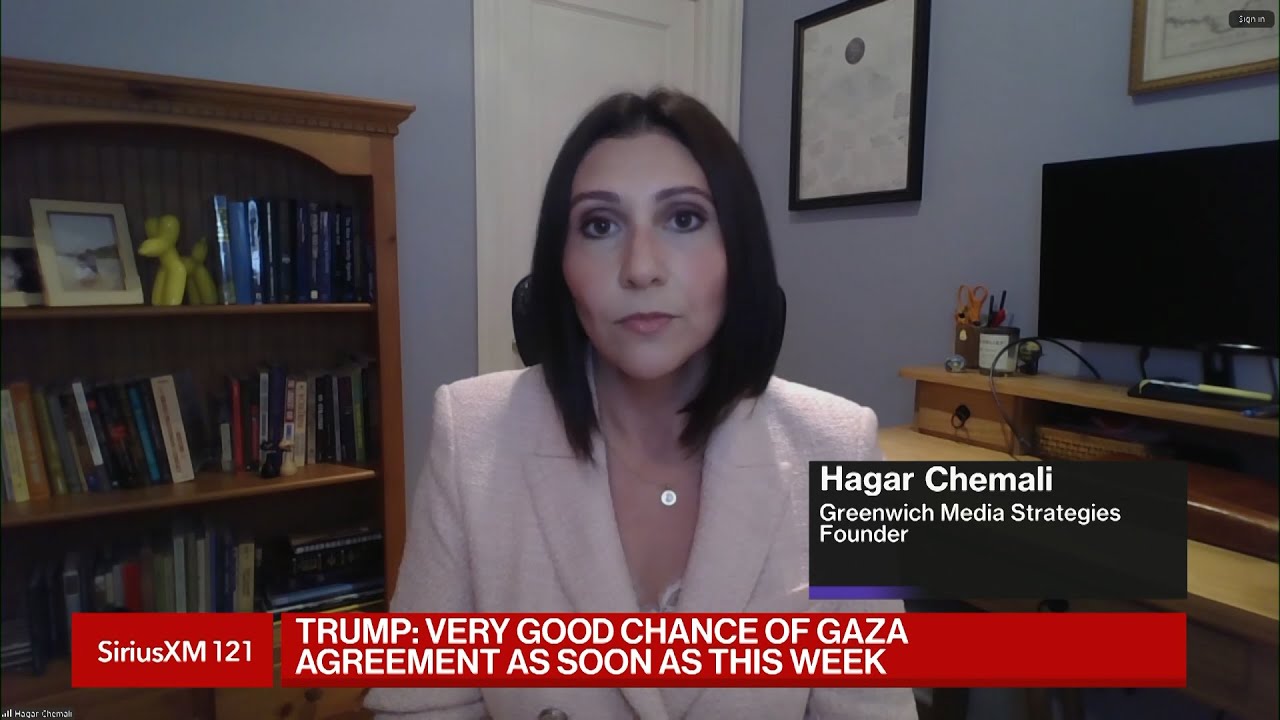
Heather Boushey, deputy director of the White House Council of Economic Advisers in the Biden administration, said the chaotic rollout of Trump's tariffs makes it difficult for businesses to plan investments in expanding production and jobs.
US President Donald Trump unveiled a new round of tariff demand letters on Wednesday with levies set to hit in August on imported goods from partners who fail to reach agreements with the US.
Trump said he would levy a 30% rate on Algeria, Libya, Iraq and Sri Lanka, with 25% duties on products from Brunei and Moldova and a 20% rate on goods from the Philippines. The levies were largely in line with rates Trump had initially announced in April, though Iraq’s duties are down from 39% and Sri Lanka’s reduced from 44%.
Trump began notifying trading partners of new rates on Monday ahead of a deadline this week for countries to wrap up negotiations with his administration — and posted to social media that he planned to release “a minimum of 7” letters on Wednesday morning, with additional rates to be posted in the afternoon.
Out of the seven countries mentioned in Trump’s announcements so far on Wednesday, only the Philippines — which sent some $14.1 billion of goods to the US last year — ranks among America’s top 50 trade partners. Products it typically sells on US markets include electronics, auto parts and textiles.
Imports from the other six nations put together amounted to less than $15 billion last year, with Iraq — an exporter of crude oil — accounting for about half of that sum.
Out of the seven countries mentioned in Trump’s announcements so far on Wednesday, only the Philippines — which sent some $14.1 billion of goods to the US last year — ranks among America’s top 50 trade partners. Products it typically sells on US markets include electronics, auto parts and textiles.
Imports from the other six nations put together amounted to less than $15 billion last year, with Iraq — an exporter of crude oil — accounting for about half of that sum.
Trump at a White House event on Wednesday said more tariff letters would be coming, including one for Brazil “later on this afternoon or tomorrow morning.”
“Brazil, as an example, has been not good to us. Not good at all,” he added.
Asked what formula he was using to determine the appropriate duty rate for trading partners, Trump told reporters it was “based on common sense, based on deficits, based on how we’ve been over the years, and based on raw numbers.”
“They’re based on very, very substantial facts, and also past history,” he said.
So far, the latest warnings have done little to rattle markets, with traders focusing on Trump’s overall extension of the deadline for the so-called reciprocal tariffs to Aug. 1. That’s effectively given trading partners an extension for talks and initially fueled skepticism on Wall Street that he would follow through on his import taxes.
Trump added to that uncertainty earlier this week by claiming he was “not 100% firm” on that new cut-off date for talks. He has since sought to signal to investors and trading partners that he is committed to carrying out his tariff threats, vowing Tuesday that “all money will be due and payable starting AUGUST 1, 2025 — No extensions will be granted” on country-specific levies.
The president also raised the stakes for two key trading partners, saying the European Union could receive a unilateral tariff rate soon despite progress in negotiations, and vowing to hit India with an additional 10% levy for its participation in the BRICS bloc of developing nations, which Trump says is threatening the US dollar’s status as the world’s key currency.
And he raised the specter of more industry-specific tariffs, floating a 50% rate on copper products that sent that metal climbing as high as 17% in New York on Tuesday, a record one-day spike. He also pitched tariffs as high as 200% on pharmaceutical imports if drug companies don’t shift production to the US in the next year.
--------
Watch Bloomberg Radio LIVE on YouTube
Weekdays 7am-6pm ET
Follow us on X
Subscribe to our Podcasts:
Bloomberg Daybreak
Bloomberg Surveillance
Bloomberg Intelligence
Balance of Power
Bloomberg Businessweek
Listen on Apple CarPlay and Android Auto with the Bloomberg Business app:
Apple CarPlay
Android Auto
Visit our YouTube channels:
Bloomberg Podcasts
Bloomberg Television
Bloomberg Originals
Sentinel Indexing in Progress
Metadata and chapters are available. Claim extraction for this episode is pending.
All video content is delivered via YouTube embedded players in accordance with the YouTube Terms of Service. Sentinel provides research tools that promote discovery and accountability across political media.