Bloomberg Podcasts
@bloombergpodcasts·503K subscribers·32.4K videos
Fed Risks First Twin-Governor Dissent Since ’93
Posted
July 30, 2025
Views
2,398
Likes
22
Comments
8
Engagement
1.25%
July 30, 2025
2,398
22
8
1.25%
Every word spoken in this episode is indexed. Type any phrase to jump straight to the moment it was said.
Type any word or phrase that may have been spoken. Click a result to seek the player to that exact moment.
Try a name, a topic, or a quoted line
See what was published immediately before and after this episode.
 3:28Now Playing
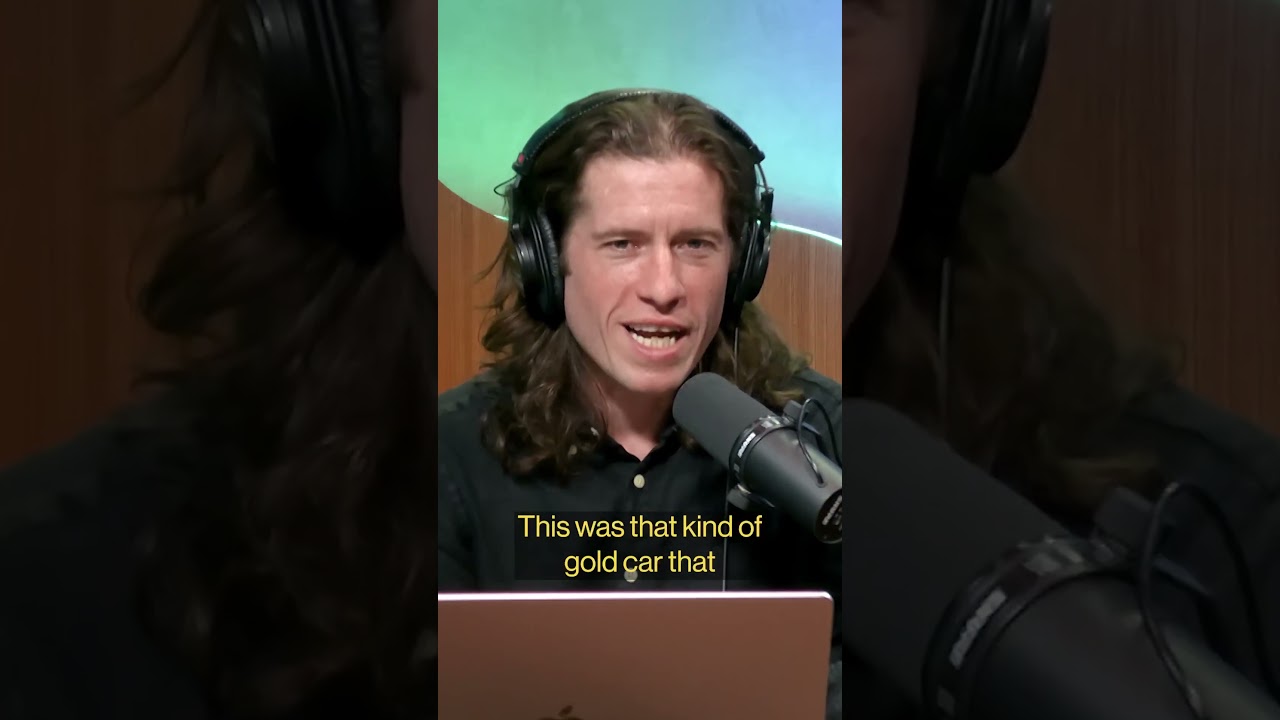
Bloomberg International Economics and Policy Editor Michael McKee breaks down expectations for the Fed's July rate decision.
Fed board members in recent decades have rarely cast dissenting votes on monetary policy. On Wednesday, there may be two.
Chair Jerome Powell and most of his colleagues have indicated more time is needed to assess the trajectory for inflation amid the pressure stemming from Trump’s tariff hikes. That’s infuriated the US president, who’s called repeatedly for the central bank to support the economy by slashing rates.
Governor Christopher Waller suggested earlier this month he’d seen enough. “With inflation near target and the upside risks to inflation limited, we should not wait until the labor market deteriorates,” he said in a speech.
Continuous dissents can undermine a board member’s influence — such voters effectively can be ignored by investors, as they don’t offer fresh insight into the likelihood of policy changes. That was the case with two perpetual dissenters against the Bank of Japan’s stimulus a decade back.
Waller recognized the point, saying on Bloomberg TV it’s important not to dissent regularly, while saying officials should do so if “you think at this moment in time this is an important thing to do.”
Waller is one of the two current Fed board members put there by Trump, in his first term. The other, Michelle Bowman, is also viewed as a potential dissenting vote Wednesday, after comments she made more than a month ago. “Should inflation pressures remain contained, I would support lowering the policy rate as soon as our next meeting,” she said.
“Bowman is a closer call, but we suspect she joins” Waller, said Michael Feroli, chief US economist at JPMorgan Chase.
That would mark the first double dissent by board members since 1993. (District bank presidents tend to be more prone to minority votes than governors.)
It would also likely be the most interesting aspect of what economists expect will be an otherwise dull policy statement.
With an onslaught of economic data due before the next meeting in September, the majority of Fed policymakers are expected to favor leaving their options open, Jonnelle Marte writes here.
There’s no shortage of additional topics that could come up in Powell’s press conference, including the Fed’s $2.5 billion building renovation project and a call for an internal review of central bank non-monetary activities.
--------
Watch Bloomberg Radio LIVE on YouTube
Weekdays 7am-6pm ET
Follow us on X
Subscribe to our Podcasts:
Bloomberg Daybreak
Bloomberg Surveillance
Bloomberg Intelligence
Balance of Power
Bloomberg Businessweek
Listen on Apple CarPlay and Android Auto with the Bloomberg Business app:
Apple CarPlay
Android Auto
Visit our YouTube channels:
Bloomberg Podcasts
Bloomberg Television
Bloomberg Originals
Sentinel Indexing in Progress
Metadata and chapters are available. Claim extraction for this episode is pending.
All video content is delivered via YouTube embedded players in accordance with the YouTube Terms of Service. Sentinel provides research tools that promote discovery and accountability across political media.