Bloomberg Podcasts
@bloombergpodcasts·503K subscribers·32.4K videos
Trump Tariff Powers Hang on Litigation
Posted
August 5, 2025
Views
1,848
Likes
23
Comments
8
Engagement
1.68%
August 5, 2025
1,848
23
8
1.68%
Every word spoken in this episode is indexed. Type any phrase to jump straight to the moment it was said.
Type any word or phrase that may have been spoken. Click a result to seek the player to that exact moment.
Try a name, a topic, or a quoted line
See what was published immediately before and after this episode.
 4:07Now Playing
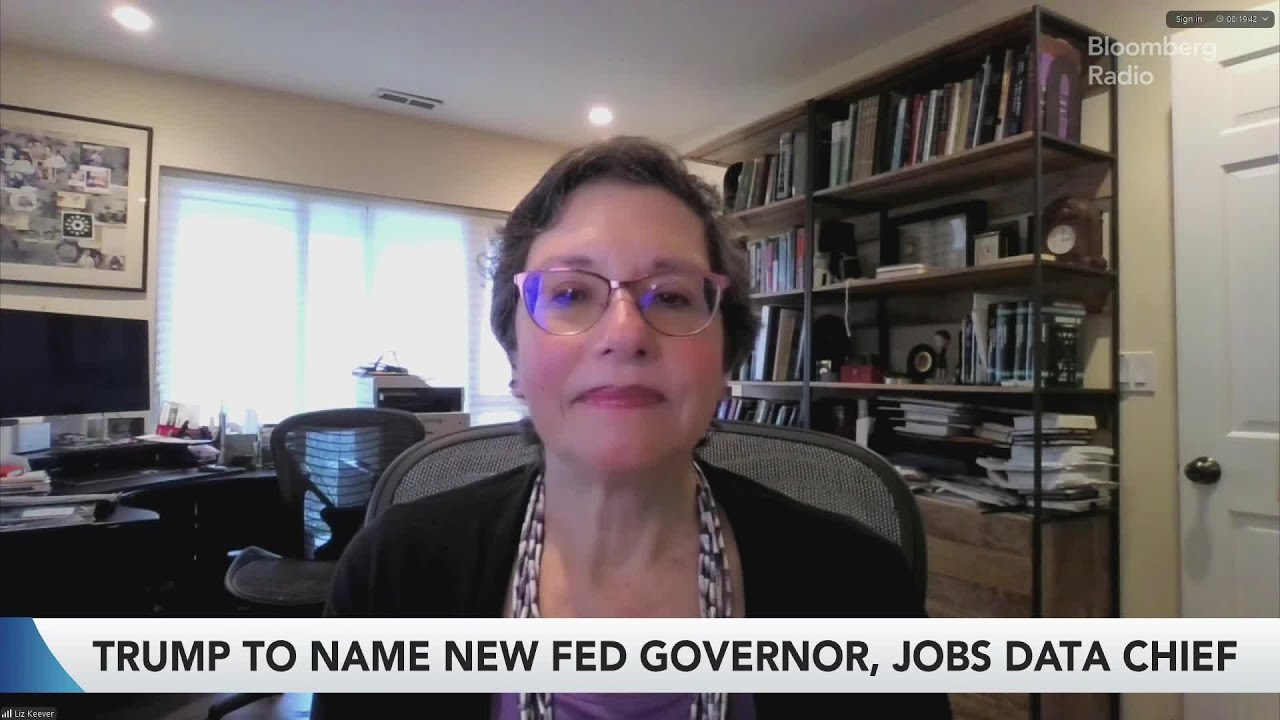
Henrietta Treyz, co-founder at Veda Partners, discusses President Trump's tariff push, political races across the country, and first steps for Congress upon their return from August recess.
President Donald Trump said that US tariffs on semiconductor and pharmaceutical imports would be announced “within the next week or so,” as the administration prepares to target key economic sectors in its effort to remake global trade.
“We’ll be putting a initially small tariff on pharmaceuticals, but in one year — one and a half years, maximum — it’s going to go to 150% and then it’s going to go to 250% because we want pharmaceuticals made in our country,” Trump said Tuesday in an interview on CNBC.
“We’re going to be announcing on semiconductors and chips, which is a separate category,” the president continued.
The Commerce Department has been investigating the semiconductor market since April to set the stage for possible tariffs on an industry that’s expected to generate nearly $700 billion in global sales. Under Trump, the US has already imposed levies on imports of cars and auto parts as well as steel and aluminum.
Levies on imported chips threaten to sharply increase costs for large data center operators including Microsoft Corp., OpenAI, Meta Platforms Inc. and Amazon.com Inc. that plan to spend billions of dollars on purchases of advanced semiconductors needed to propel their artificial intelligence businesses.
The president has also threatened debilitating tariffs on the drug industry in an effort to force manufacturing back to the US. Trump recently demanded major suppliers of medicines drastically cut costs or face additional, unspecified penalties.
The world’s largest drugmakers, including Merck & Co. and Eli Lilly & Co., operate scores of manufacturing sites across the globe. Nearly 90% of US biotech companies rely on imported components for at least half of their approved products, according to the Biotechnology Innovation Organization.
--------
Watch Bloomberg Radio LIVE on YouTube
Weekdays 7am-6pm ET
Follow us on X
Subscribe to our Podcasts:
Bloomberg Daybreak
Bloomberg Surveillance
Bloomberg Intelligence
Balance of Power
Bloomberg Businessweek
Listen on Apple CarPlay and Android Auto with the Bloomberg Business app:
Apple CarPlay
Android Auto
Visit our YouTube channels:
Bloomberg Podcasts
Bloomberg Television
Bloomberg Originals
Sentinel Indexing in Progress
Metadata and chapters are available. Claim extraction for this episode is pending.
All video content is delivered via YouTube embedded players in accordance with the YouTube Terms of Service. Sentinel provides research tools that promote discovery and accountability across political media.