
Economists See Slow US Growth, Stubborn Inflation Well Into 2026
August 29, 2025
4,411
54
11
1.47%
Search the Record
IndexedEvery word spoken in this episode is indexed. Type any phrase to jump straight to the moment it was said.
Type any word or phrase that may have been spoken. Click a result to seek the player to that exact moment.
Try a name, a topic, or a quoted line
Bloomberg Podcasts Episodes Around August 29, 2025
See what was published immediately before and after this episode.


 5:19Now Playing
Economists See Slow US Growth, Stubborn Inflation Well Into 2026



YouTube Description
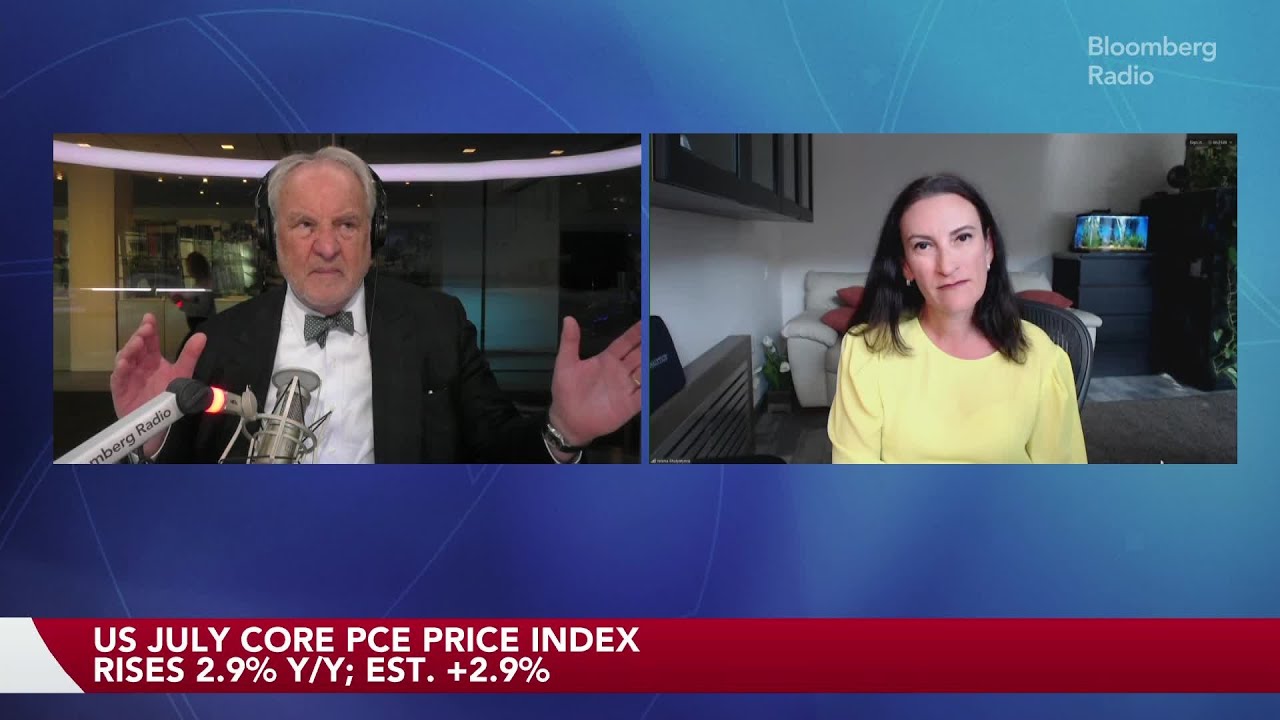
as posted by the channelYelena Shulyatyeva, Senior Economist at The Conference Board, reacts to PCE and discusses outlook for economic growth, US labor, and tariffs as consumers start to feel their effects.
US consumer spending rose in July by the most in four months, indicating resilient demand in the face of stubborn inflation.
Inflation-adjusted consumer spending rose 0.3%, according to Bureau of Economic Analysis data out Friday. The advance was boosted by income growth and driven by goods.
The so-called core personal consumption expenditures price index, which excludes food and energy items and is favored by the Federal Reserve, rose 0.3% from June. From the prior year, the gauge picked up to 2.9%, the most since February.
While a pickup in services costs underpinned the latest inflation figures, economists anticipate higher goods prices to put pressure on inflation in coming months as President Donald Trump’s tariffs filter through to shoppers. For now, Americans continue to spend, but it’s unclear how long that momentum will last amid rising prices and a weakening job market.
“Consumer spending posted healthy gains in July,” said Stephen Stanley, chief US economist at Santander US Capital Markets LLC. But “the near-term outlook for the consumer is cloudy, as I look for tariff-related price hikes to work their way through the pricing chain soon, and, when they do, I expect consumers to pull back.”
Traders still expect the Fed to cut interest rates when they gather Sept. 16-17. Speaking at the Fed’s annual Jackson Hole conference last week, Chair Jerome Powell carefully opened the door to a rate cut next month amid rising risks to the job market, though he noted the effects of tariffs on prices are “now clearly visible.”
Before that gathering, however, policymakers will receive additional reports on inflation and the labor market.
University of Michigan data out Friday showed US consumer sentiment declined to a three-month low in August. Consumers expect prices to rise at an annual rate of 4.8% over the next year, up from 4.5% last month.
The pickup in July inflation was driven by higher costs for services, which rose by the most since February. That included a jump in portfolio management fees, reflecting a months-long stock market rally. Recreational services costs including live sports and entertainment also increased.
A closely watched metric of services inflation that excludes energy and housing rose 0.4%, the most in five months. Goods costs, meanwhile, declined.
Consumer Spending
In an effort to shield American consumers, some firms rushed to get goods into the country before tariffs kicked in, while others diversified their supply chains or chose to sacrifice their own margins. But with most levies now in place, many companies have stressed the need to pass more of those extra costs on to shoppers.
The acceleration in spending was in large part due to merchandise purchases, particularly for durable goods like cars, household furniture and sporting equipment.
Separate figures from the Commerce Department on Friday showed the merchandise trade deficit widened in July to the largest in four months. Imports jumped by the most since the start of the year.
While the labor market — the main engine behind household demand — has shifted into a lower gear, promotions like Amazon.com Inc.’s Prime Day offered a boost to goods spending.
Retailers from Walmart Inc. to Home Depot Inc. and Dick’s Sporting Goods Inc. have expressed optimism about the resilience of demand. That said, consumer sentiment remains subdued as Americans anticipate tariff-driven price hikes and confront worsening job prospects.
Read More: Consumer Resilience at Risk From Tariff-Induced Price Increases
While not adjusted for inflation, wages and salaries jumped 0.6%, the most since November. Real disposable income rose 0.2%. The saving rate was unchanged.
Government data due next week will offer additional clues on the direction of the labor market. Economists currently expect job growth to be less than 100,000 for a fourth month, marking the weakest stretch of employment figures since 2020.
--------
Watch Bloomberg Radio LIVE on YouTube
Weekdays 7am-6pm ET
Follow us on X
Subscribe to our Podcasts:
Bloomberg Daybreak
Bloomberg Surveillance
Bloomberg Intelligence
Balance of Power
Bloomberg Businessweek
Listen on Apple CarPlay and Android Auto with the Bloomberg Business app:
Apple CarPlay
Android Auto
Visit our YouTube channels:
Bloomberg Podcasts
Bloomberg Television
Bloomberg Originals
Guests & Subjects Covered
Sentinel Indexing in Progress
Metadata and chapters are available. Claim extraction for this episode is pending.
All video content is delivered via YouTube embedded players in accordance with the YouTube Terms of Service. Sentinel provides research tools that promote discovery and accountability across political media.